
E P Collier Primary School and Nursery
Geography Summer
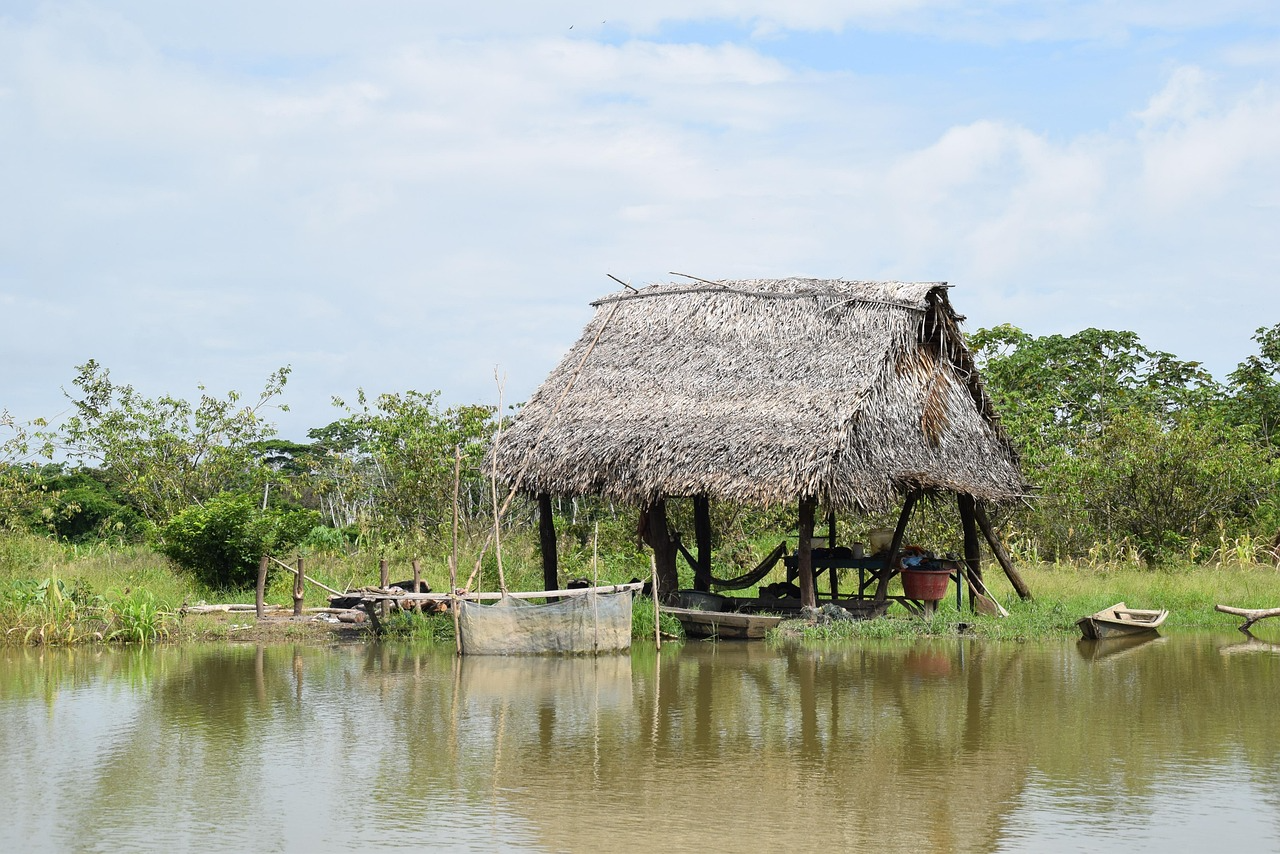
Children will compare their local area of Reading with a non-European country, focusing on Brazil. They will explore similarities and differences in both human geography, such as schools, homes, transport and jobs, and physical geography, including climate, landscapes and natural features. The children will learn about key features of Brazil, such as rainforests and beaches, and compare these with features found in Reading. Through this study, they will develop their understanding of how places around the world can be both different and similar, and how location can influence the way people live.
Key Skills that run through the Geography curriculum in year one and two:
-
To identify seasonal and daily weather patterns in the UK
-
Use vocabulary associated with the seasons and weather; Spring, Summer, Autumn, Winter, cold, warm, hot, wind, dry, rain, shower, drizzle, sleet, hail, ice, snow, sun, cloud, storm, thunder, lightning, fog, mist, temperature
-
Use a world map, atlas and globe to identify the 4 countries and capital cities of the UK, the world’s oceans and continents, the position of the Equator, North and South Poles and the location of the hot and cold areas of the world
-
Use N S E W compass directions
-
Use locational and directional language to describe location of features and routes on a map; left, right, straight on, above, below, alongside, beneath, next to, adjacent to, after, before, amongst, between, in front of, behind
-
Use aerial photographs and plan perspectives to recognise landmarks and basic human and physical features
-
To devise a simple map and basic symbols on a key
-
Understand basic geographical vocabulary including; beach, cliff, coast, forest, hill, mountain, sea, ocean, river, soil, valley, vegetation, season, weather, city, town, factory, farm, house, office, port, harbour, shop
-
Use simple field work and observational skills to study geography of school and grounds and surrounding area
-
Communicate geographical information through description, pictures and simple maps