E P Collier Primary School and Nursery
Science
At E P Collier Primary School our intent is to ensure that all children, regardless of ethnic origin, gender, class, aptitude or disability will be provided with a broad and balanced Science curriculum which reflects the equality and diversity of our multicultural school. We want our children to be naturally curious about the world around them. Our vision is to enable children to take their STEM learning journey beyond the primary school years and continue enhancing their understanding through a cross curricular approach. Throughout our school children are encouraged to use and build on scientific skills of observing, investigating, questioning, comparing, reflecting and recording which continually develops independence and allows them to be 'WOWED' about life long science learning.
Our teachers ensure that our children are exposed to high quality teaching and learning experiences. At E P Collier we implement the delivery of a practical, enquiry, spiral based curriculum; offering children the opportunity to ask and answer questions and allowing 'thinking time' which provides children with the opportunities to build on their acquisition of scientific knowledge and skills. This enables learning to 'stick' and children to progress. We want our children to have a broad vocabulary therefore scientific language is taught and built upon as topics are revisited in different year groups and across key stages. Through teacher modelling and carefully planned questioning, our children are given the opportunity to access learning according to their ability. Our science learning journeys enable children to enhance with a 'can do' attitude. Our approach is to always enable children to develop to their full potential by ongoing assessment and quizzing knowledge.
The impact of our successful approach results in a fun, engaging, high quality science education, that provides children with the foundations and knowledge for understanding the world. Our children love Science and investigating!
Children will know more, remember more and understand more about the curriculum. Children retain prior-learning and explicitly make connections between what they have previously learned and what they are currently learning.
All children will have:
- A richer vocabulary which will enable them to articulate their understanding of taught concepts
- A wider variety of skills linked scientific knowledge, understanding and enquiry
- Confidence and a love of learning for all things science
Science Topics Across the School
Science at EP Collier is taught through exciting, carefully sequenced topics:
-
Plants and Habitats – how living things grow and survive
-
Materials and Their Properties – investigating what things are made of and why
-
Forces and Magnets – exploring motion and interaction
-
Electricity and Light – experimenting safely to understand energy
-
Human Body – skeleton, digestive system, and organs
-
Space and Earth – planets, the solar system, and the wider universe
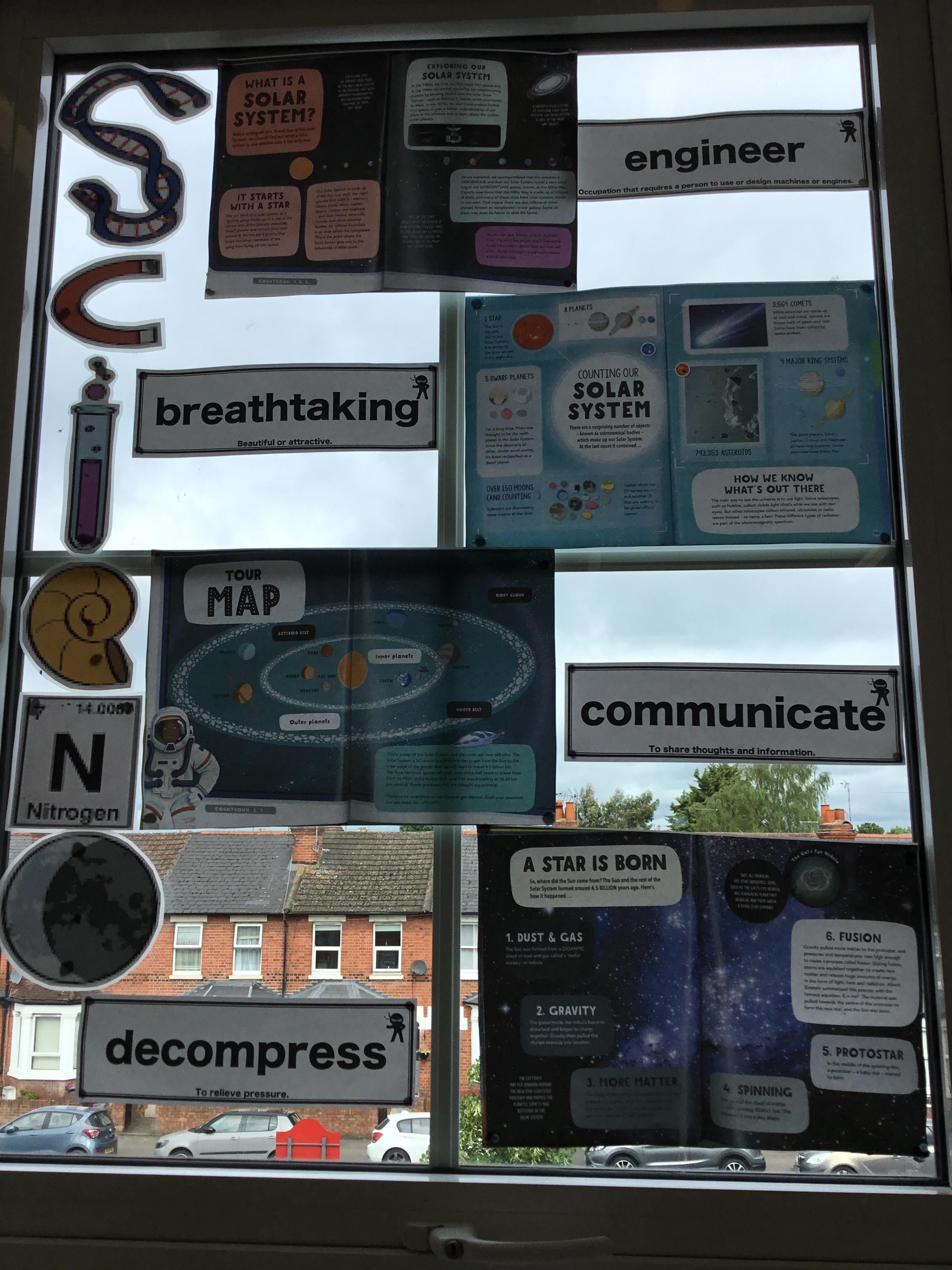
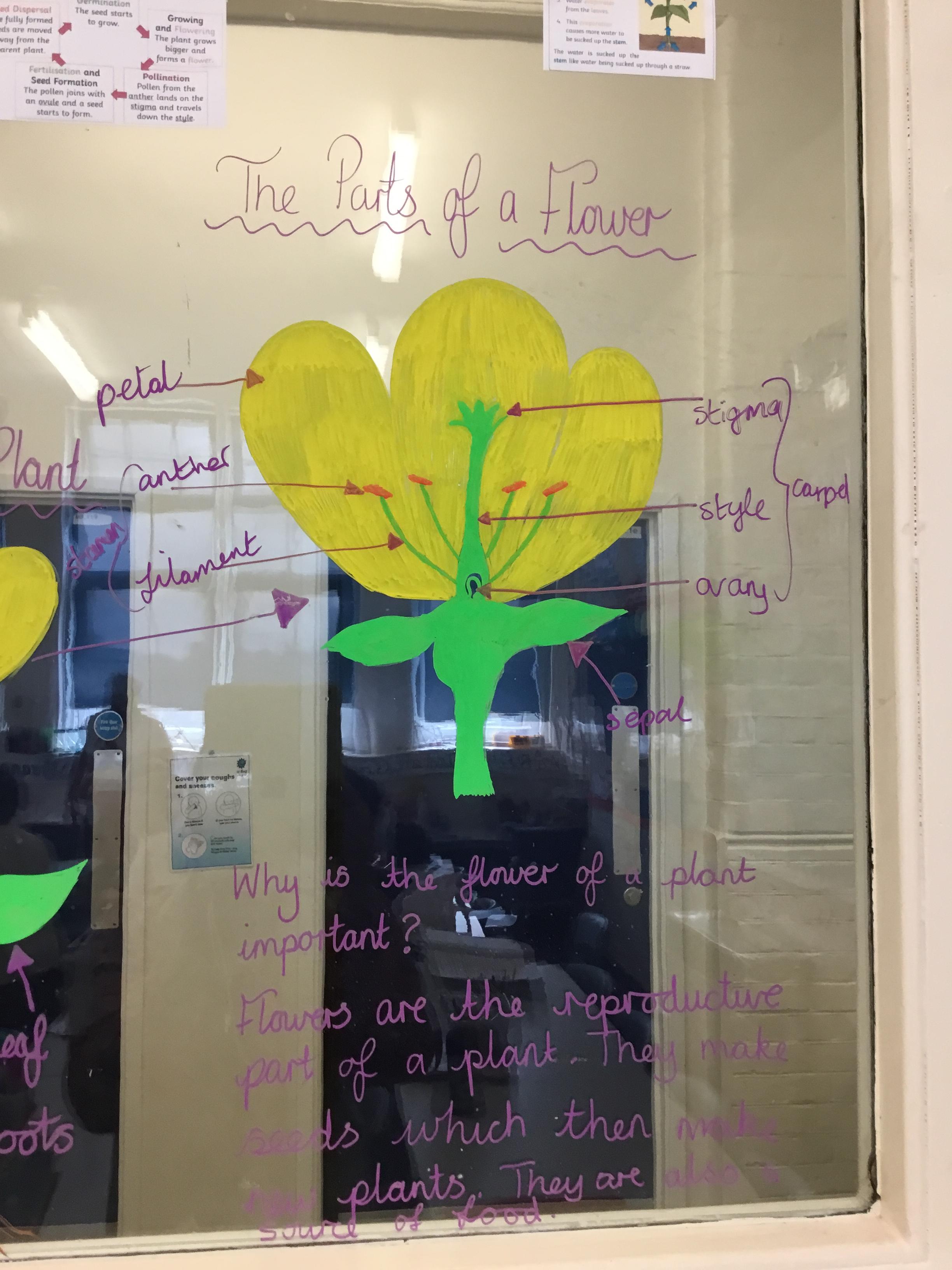
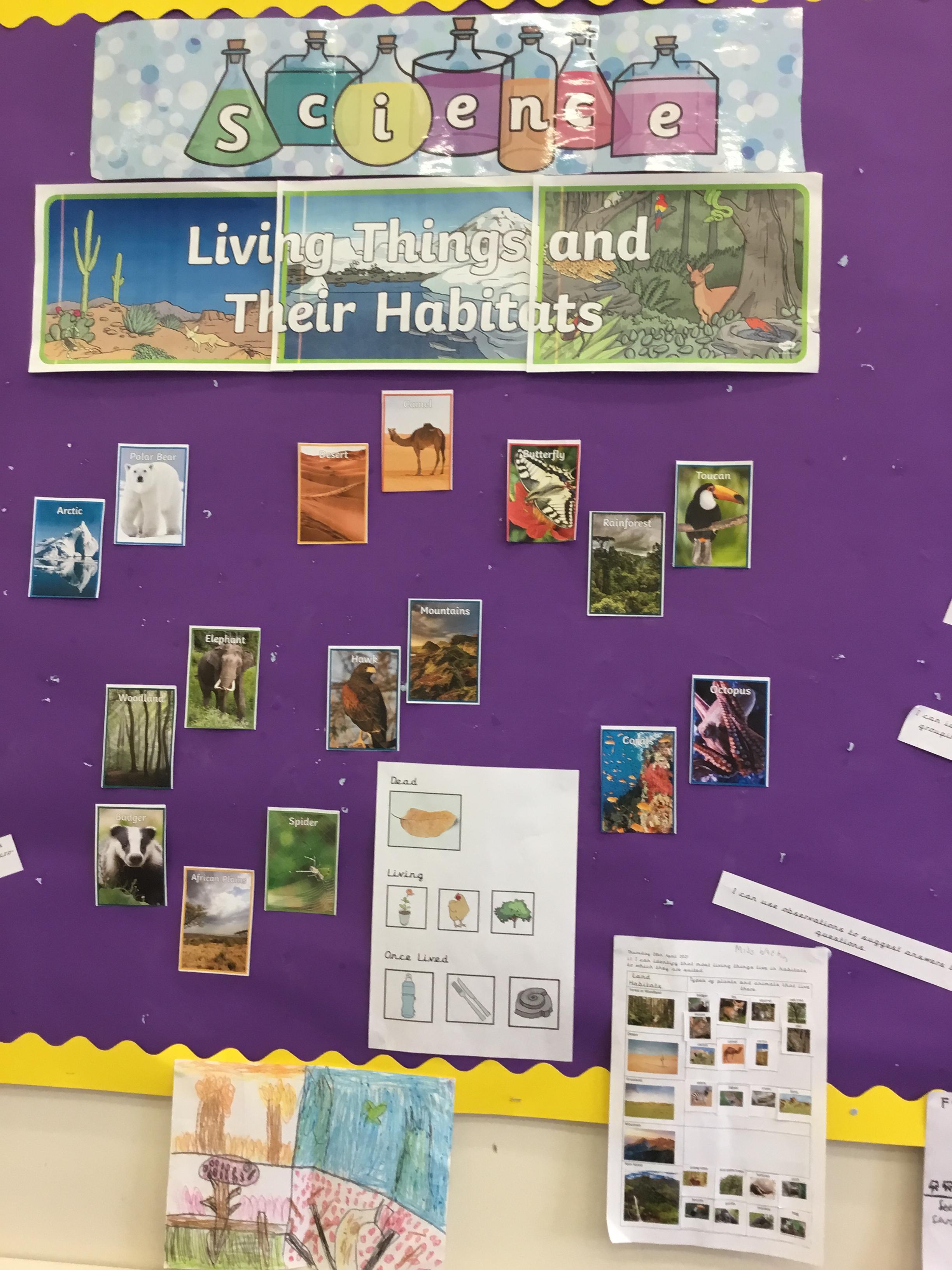
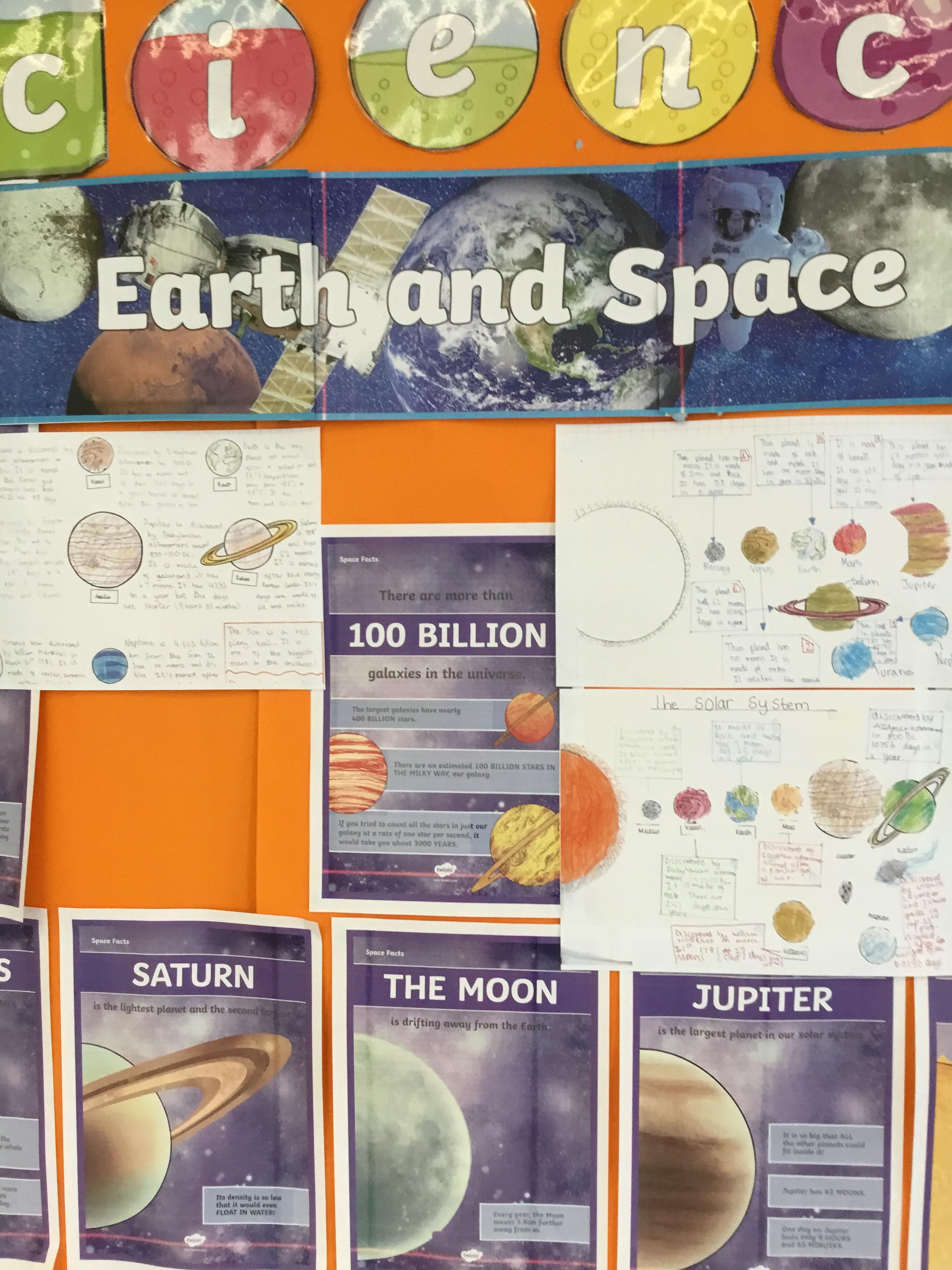
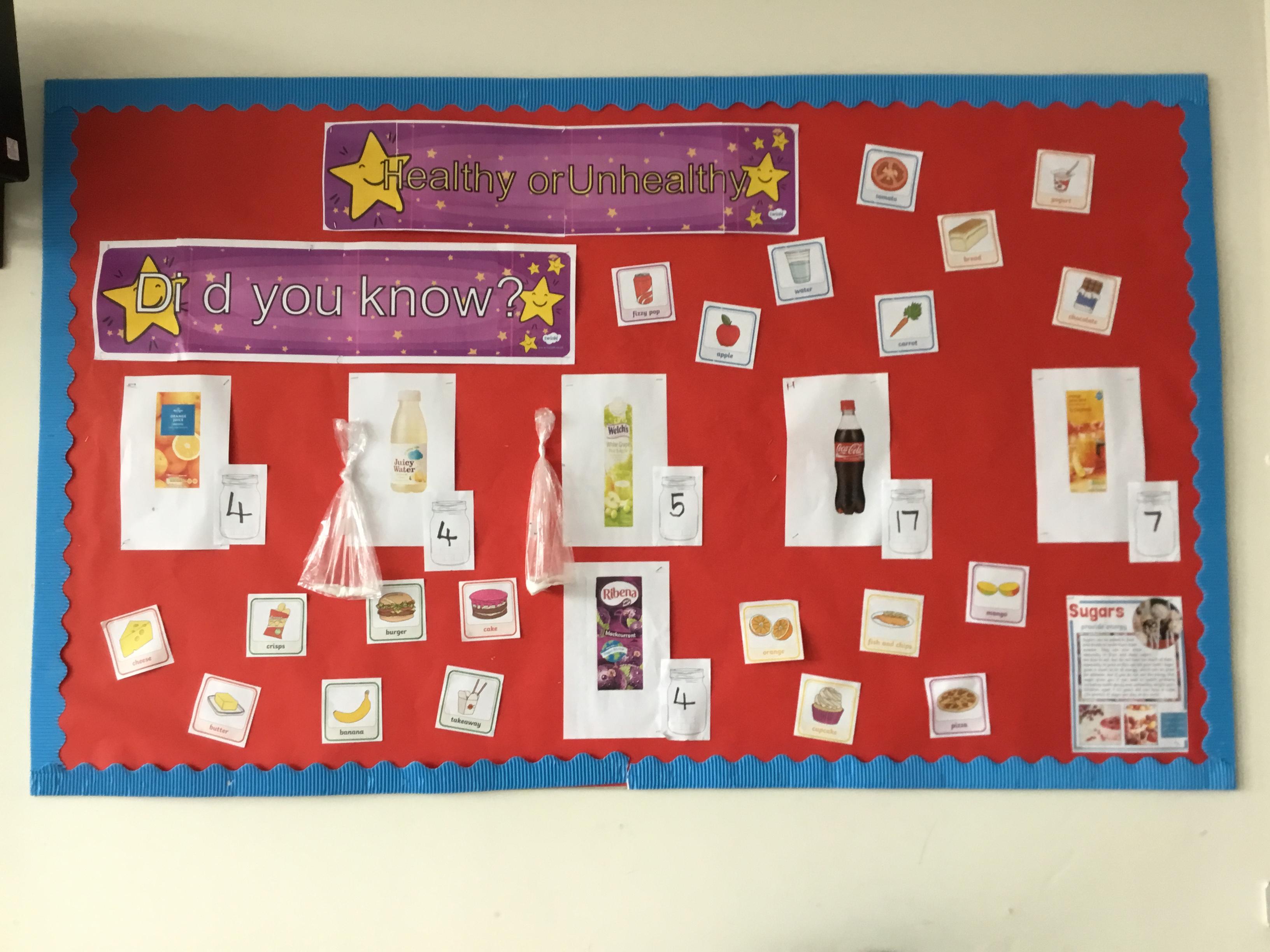
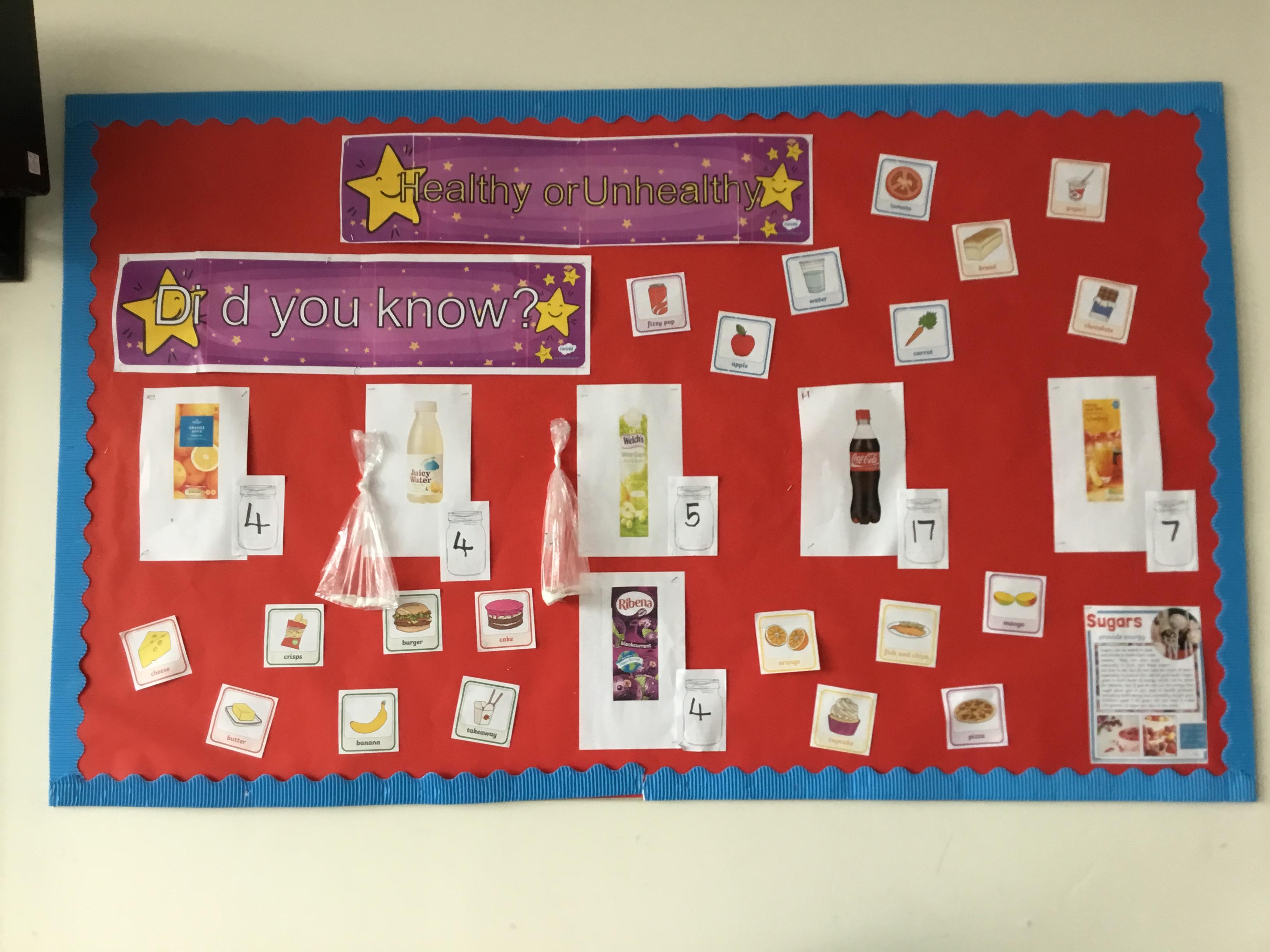
At E P Collier we like to make our science learning fun, engaging and interactive. We like to use a hands on approach where children can learn and recall memorable scientific facts and knowledge. Every topic will take children on a progress learning journey. Here are some photographs for you to enjoy.
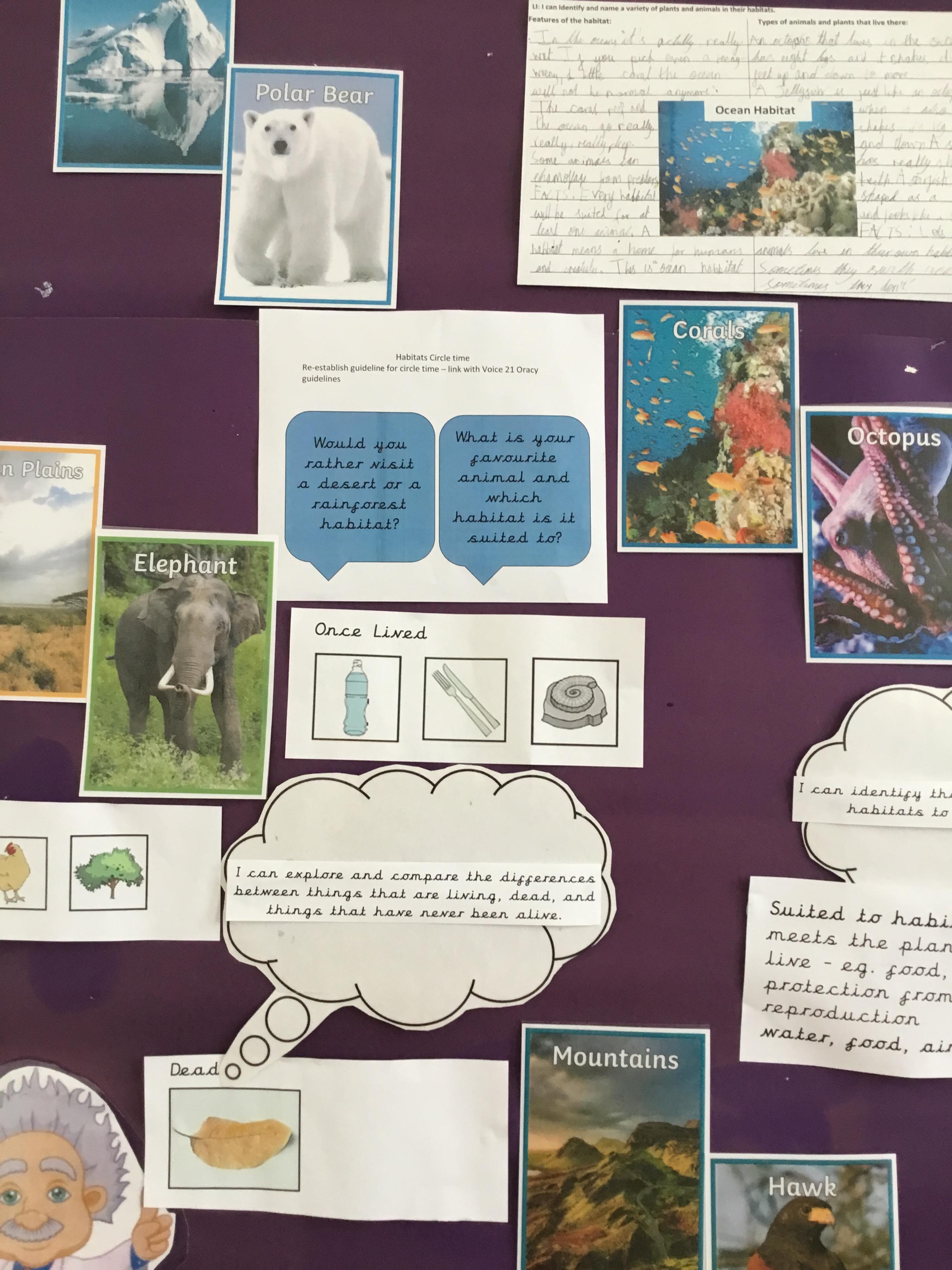
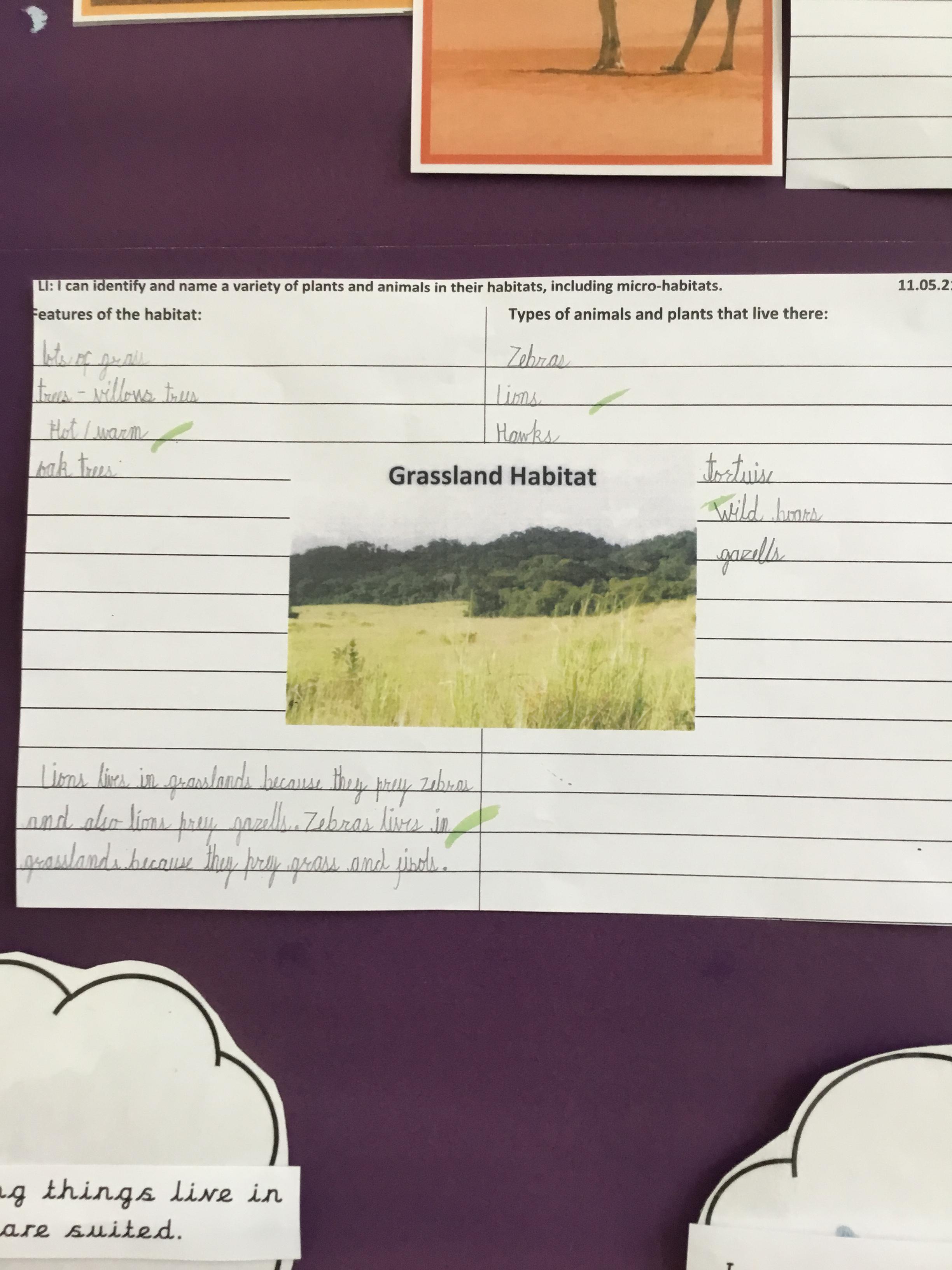
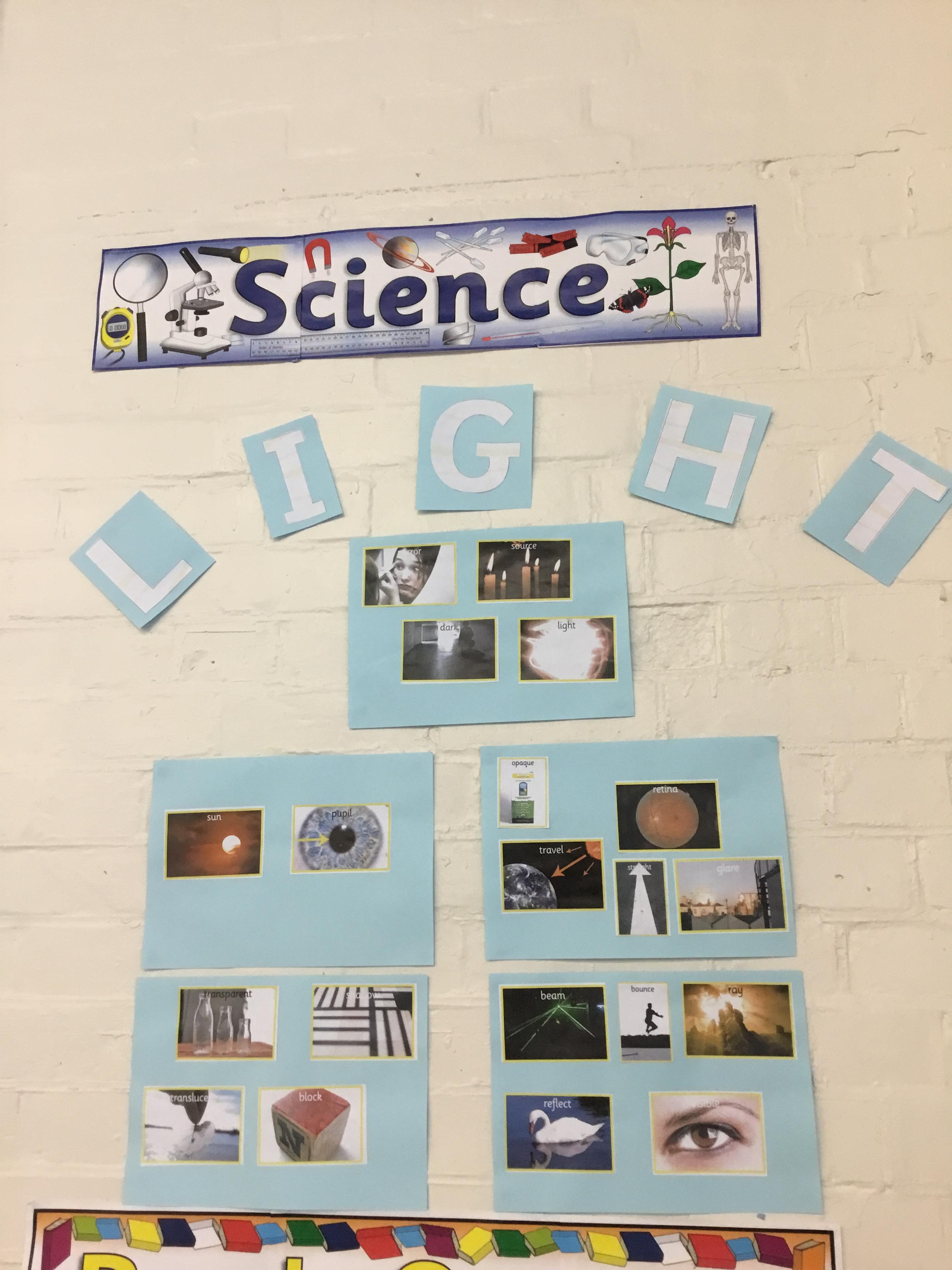
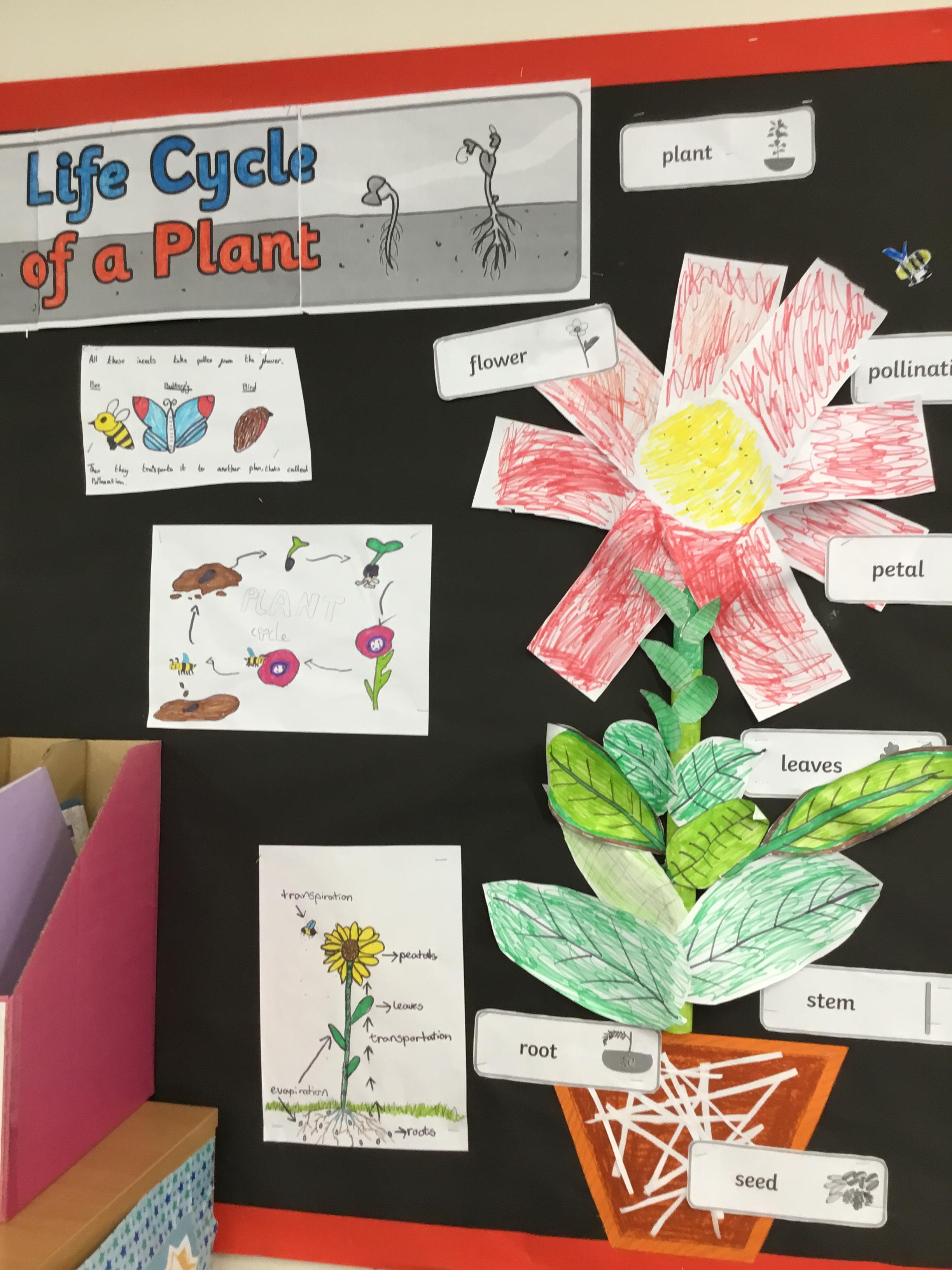
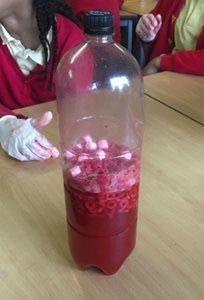
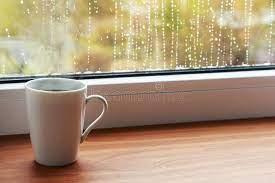
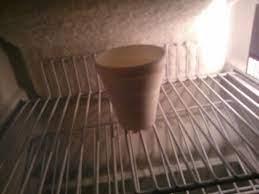
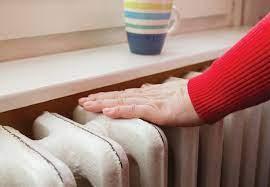
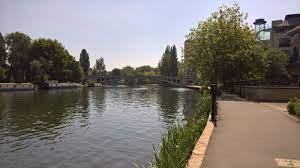
In Year 3 and 4 we carried out an experiment to investigate the effect of temperature on the rate of evaporation. Where do you think the water evaporated quicker and why?
SCIENCE CURRICULM VOCABULARY
Science Curriculum Overview
Home Learning Ideas
A SCIENTIST JUST LIKE ME
Introducing children to a diverse range of scientists and people who work in science-related jobs.
Dear All,
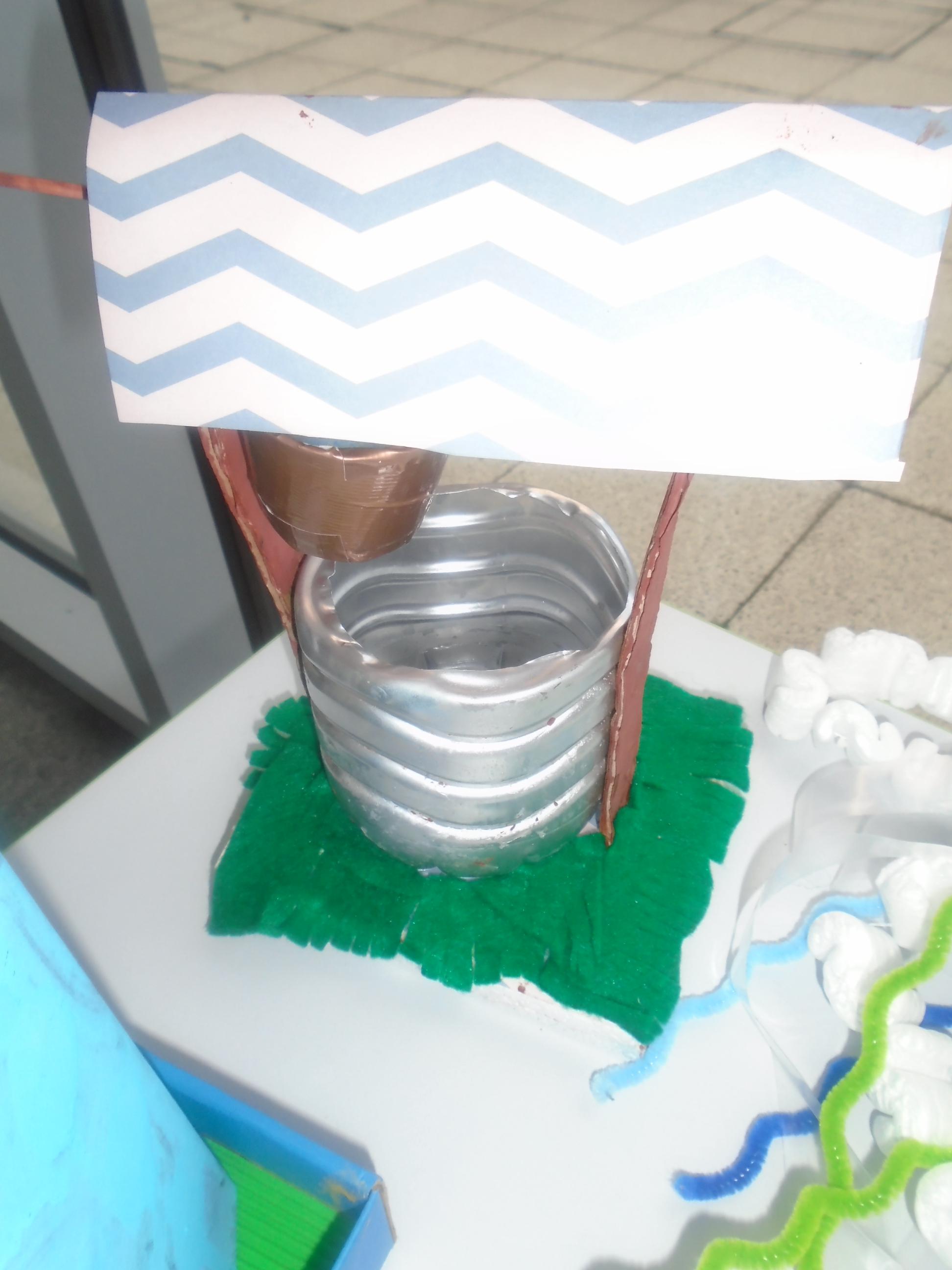
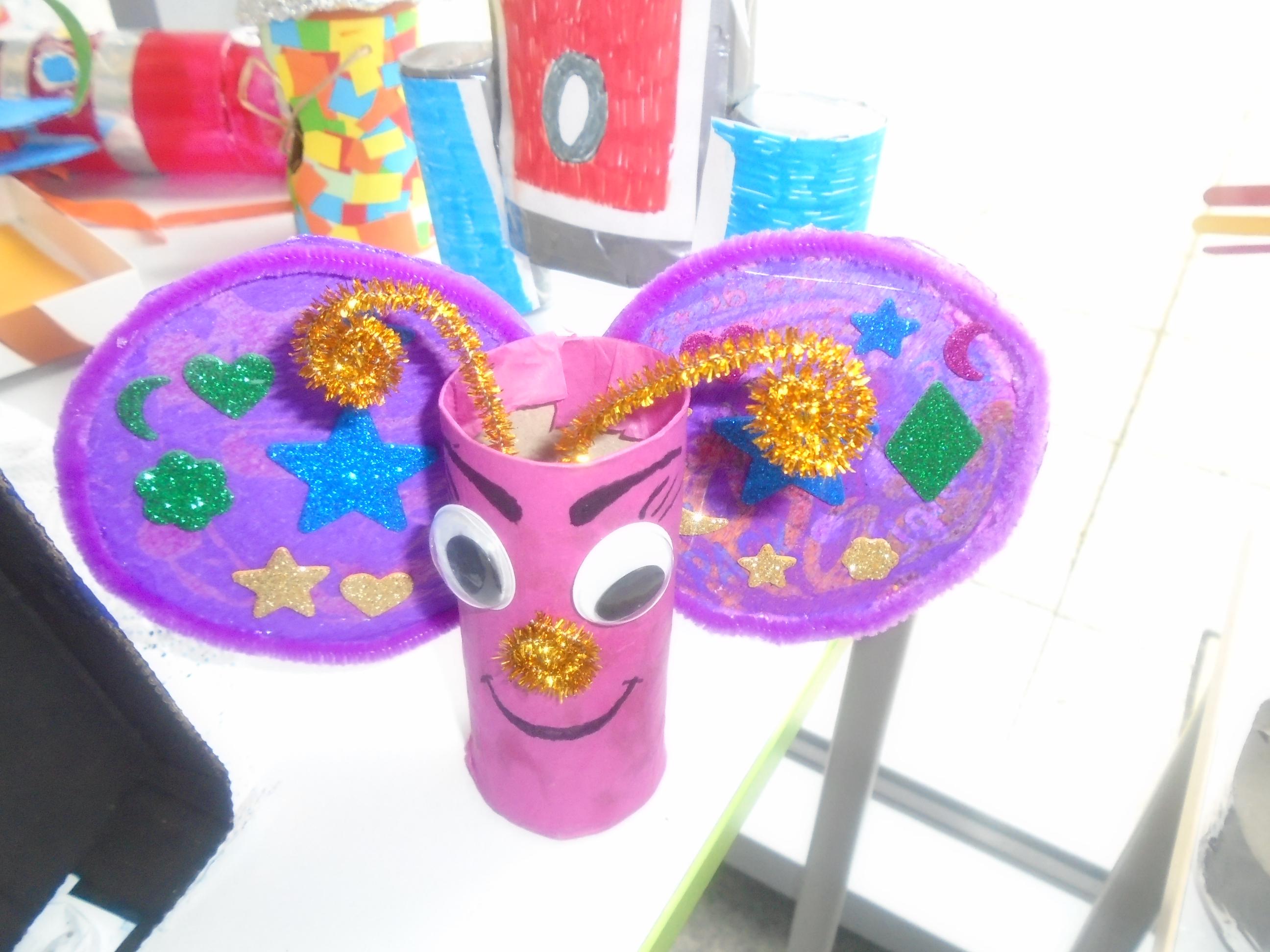
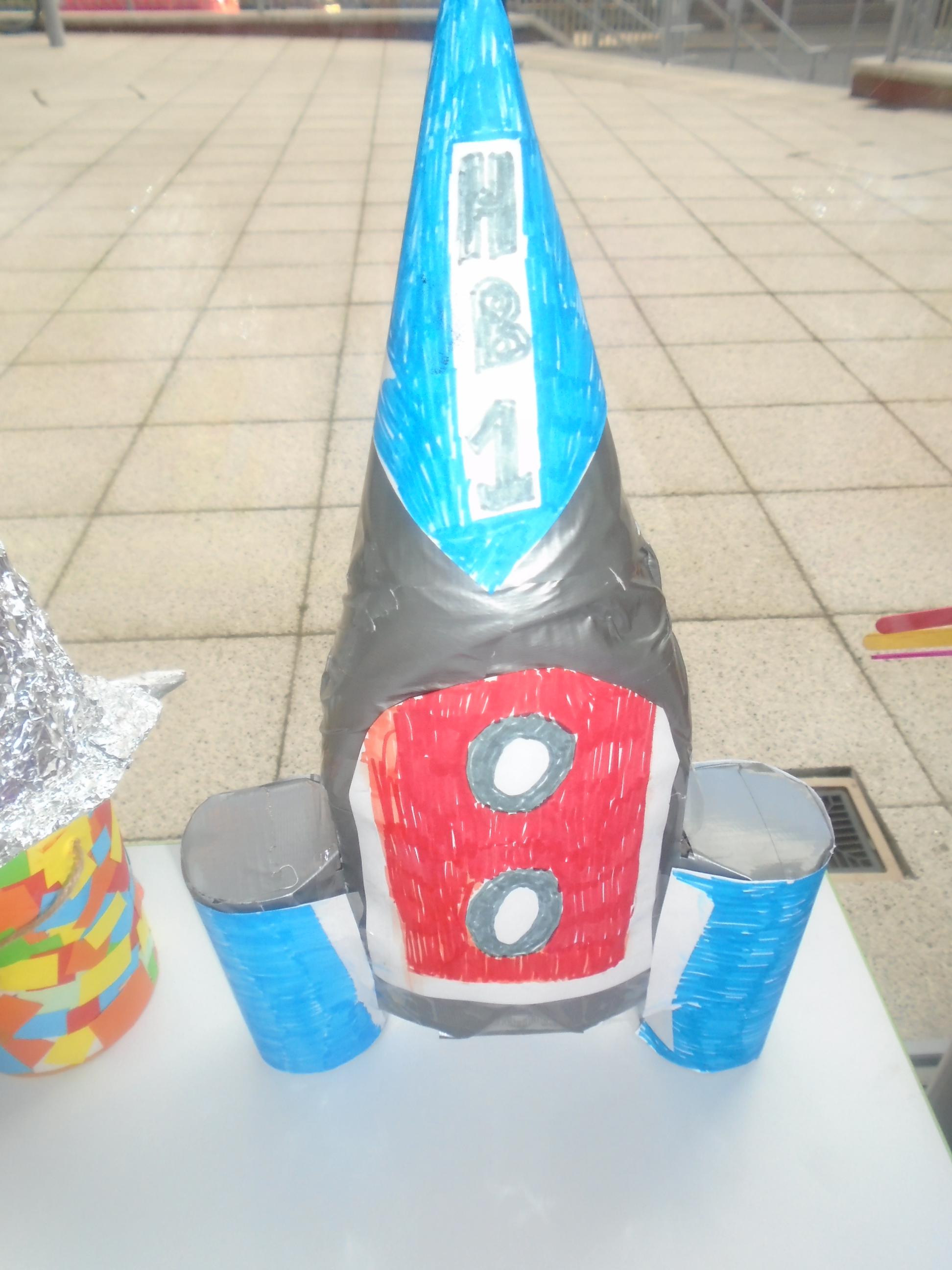
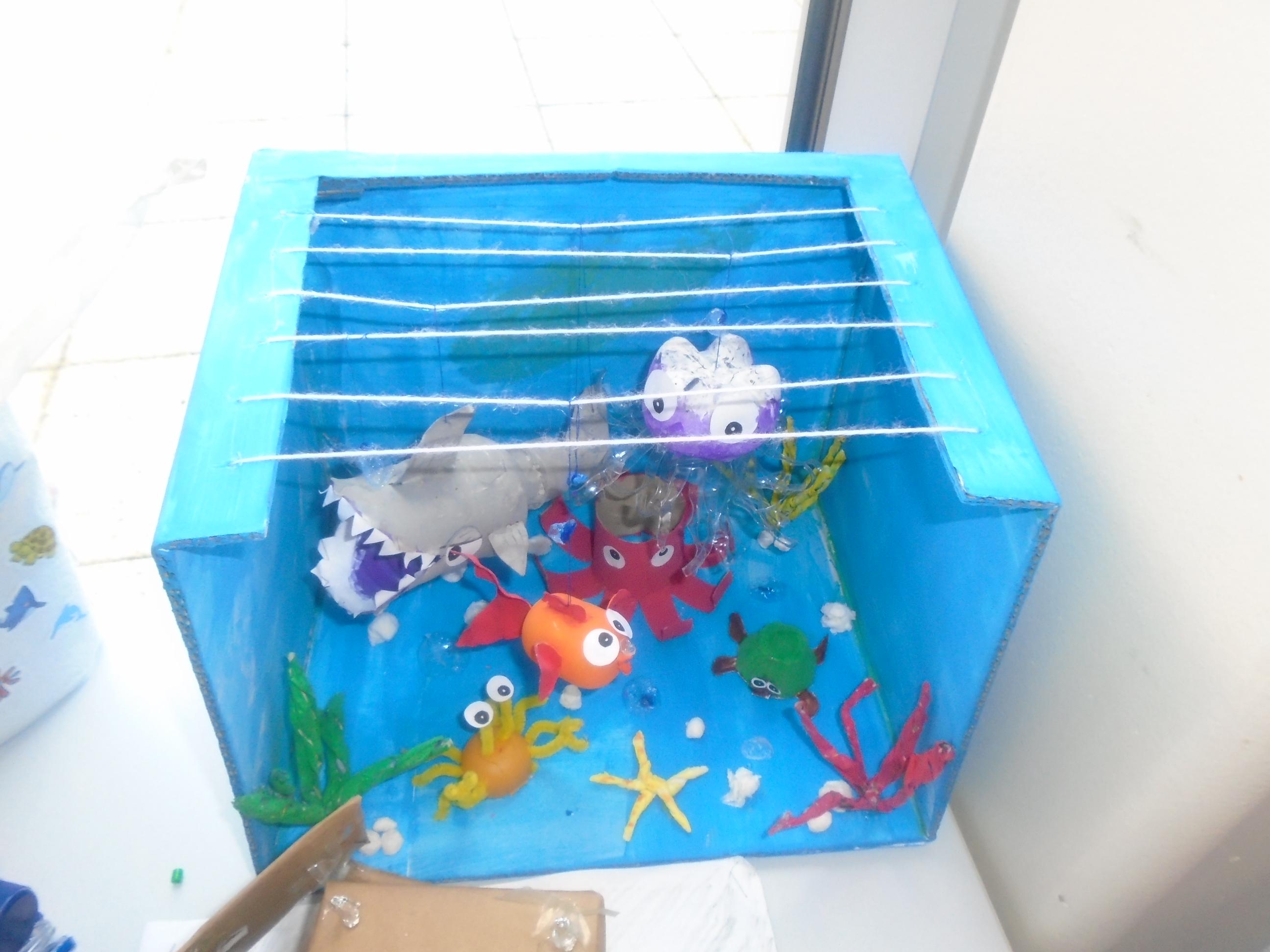
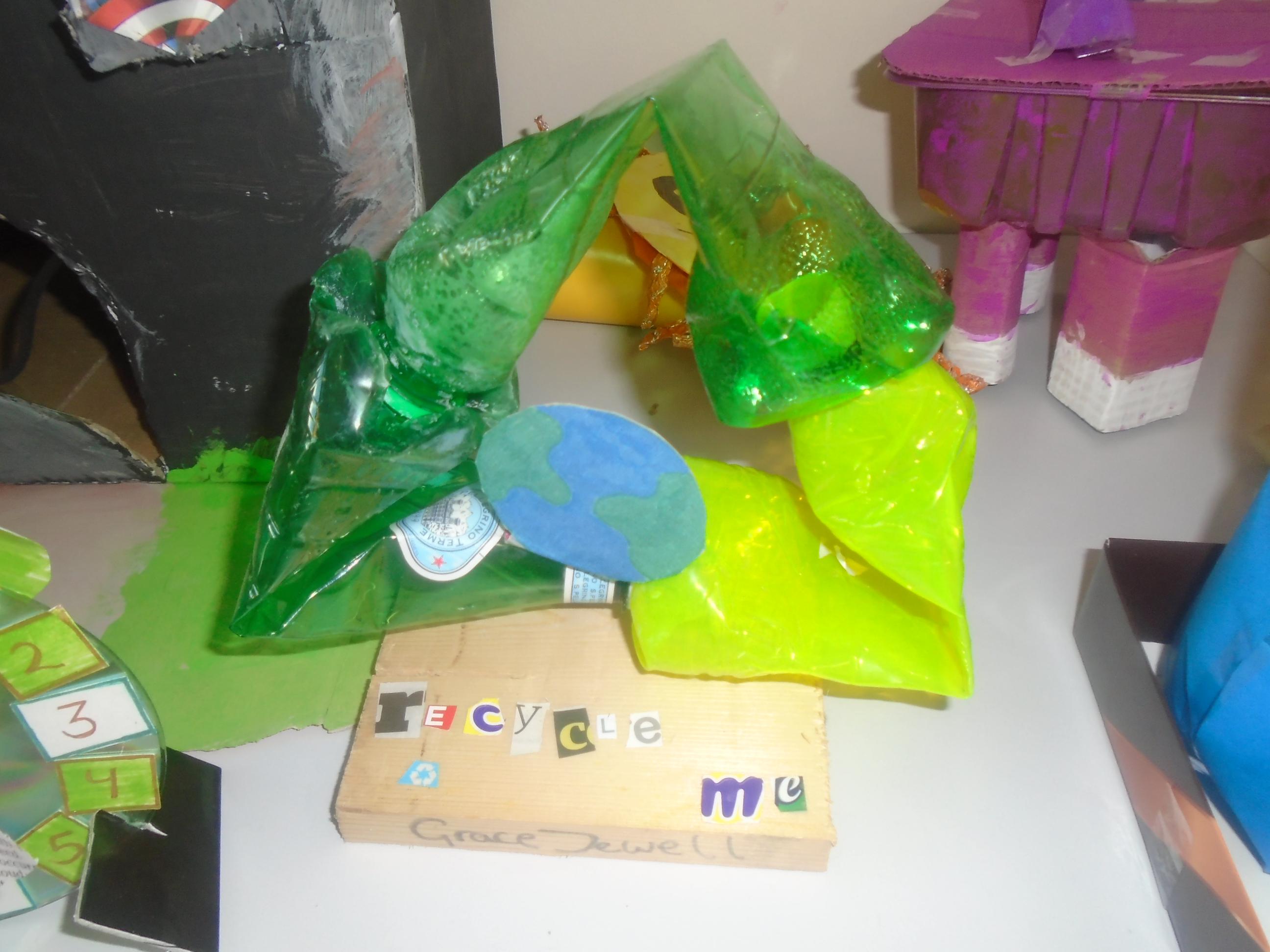
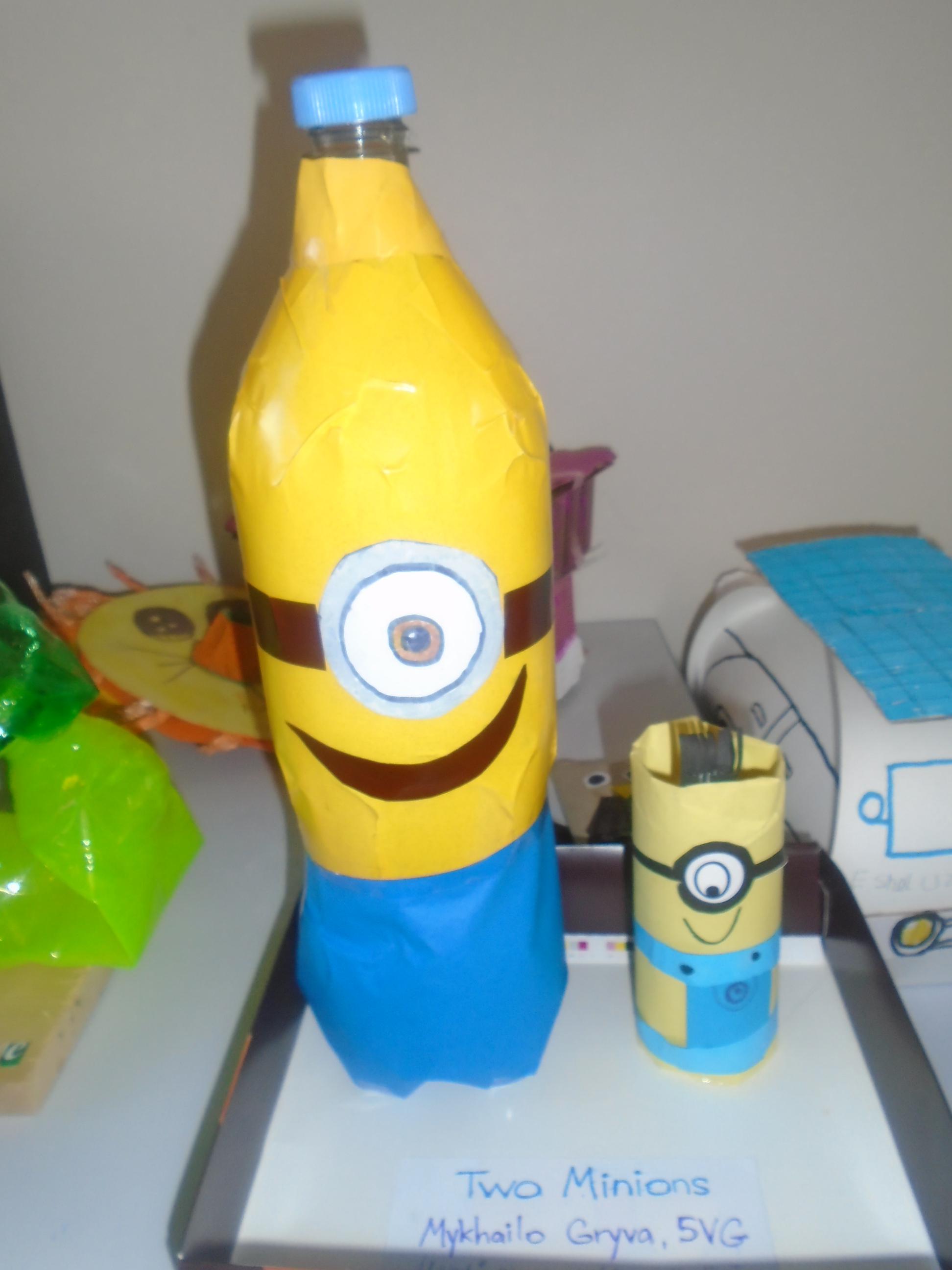
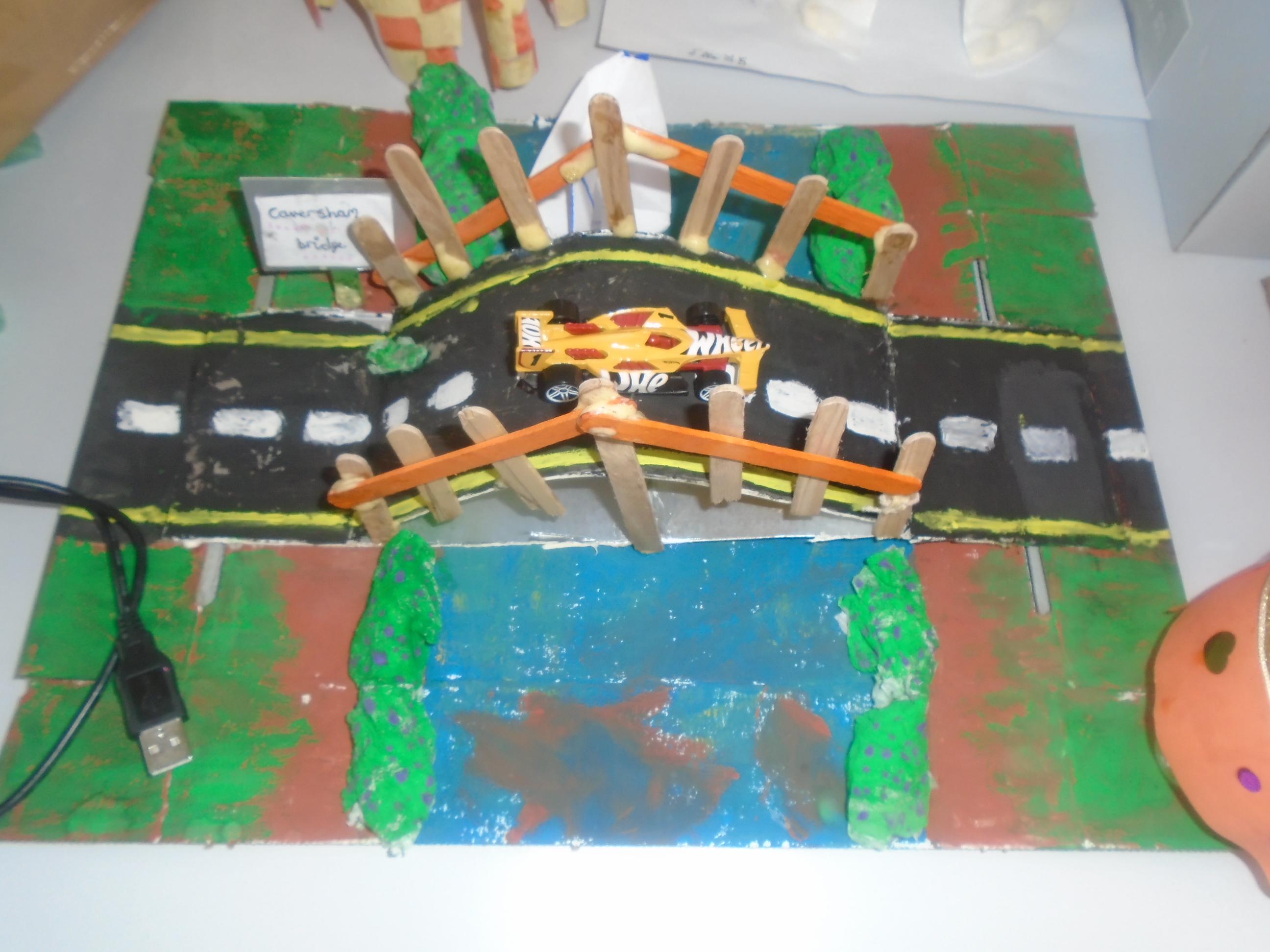
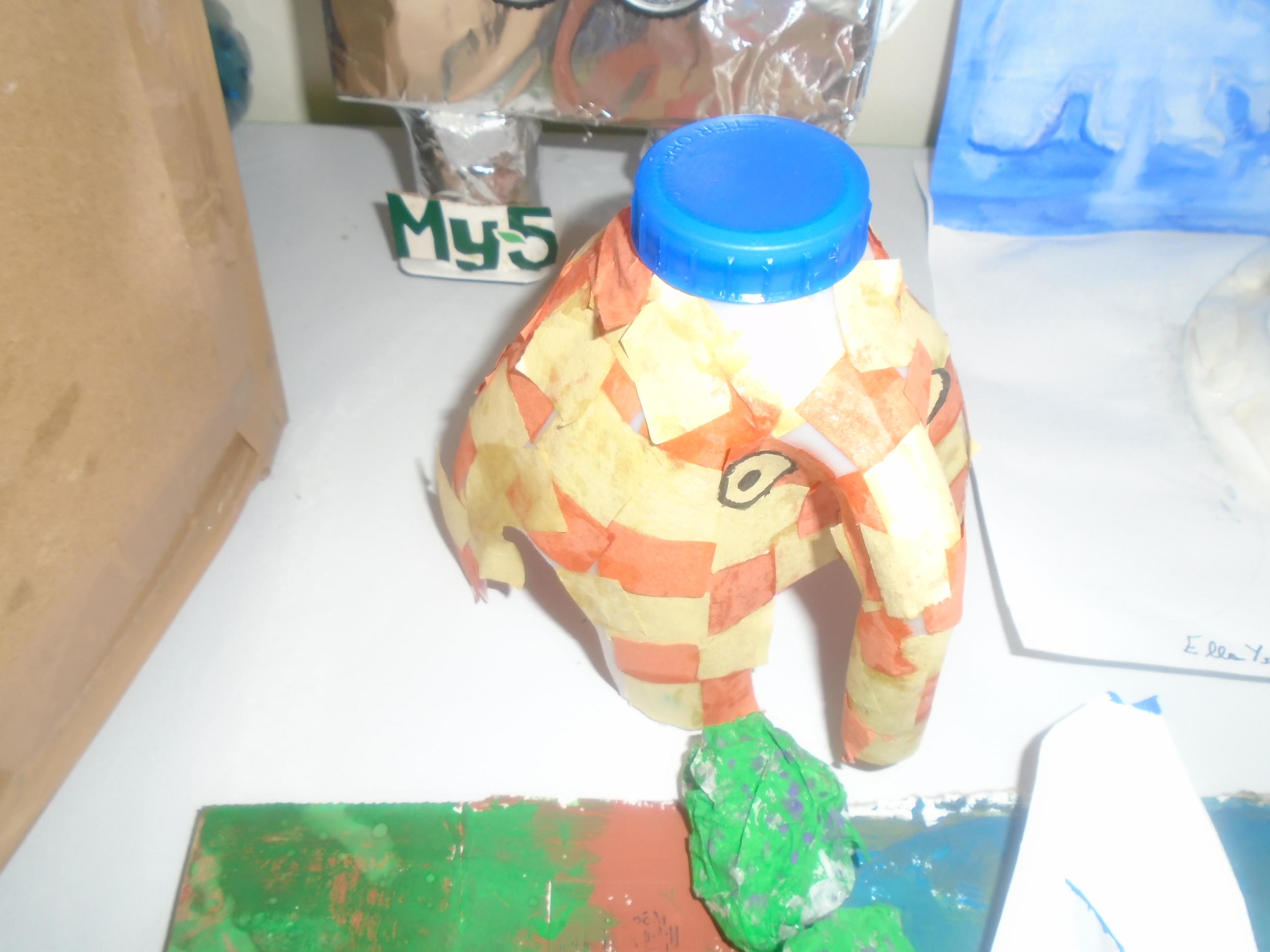
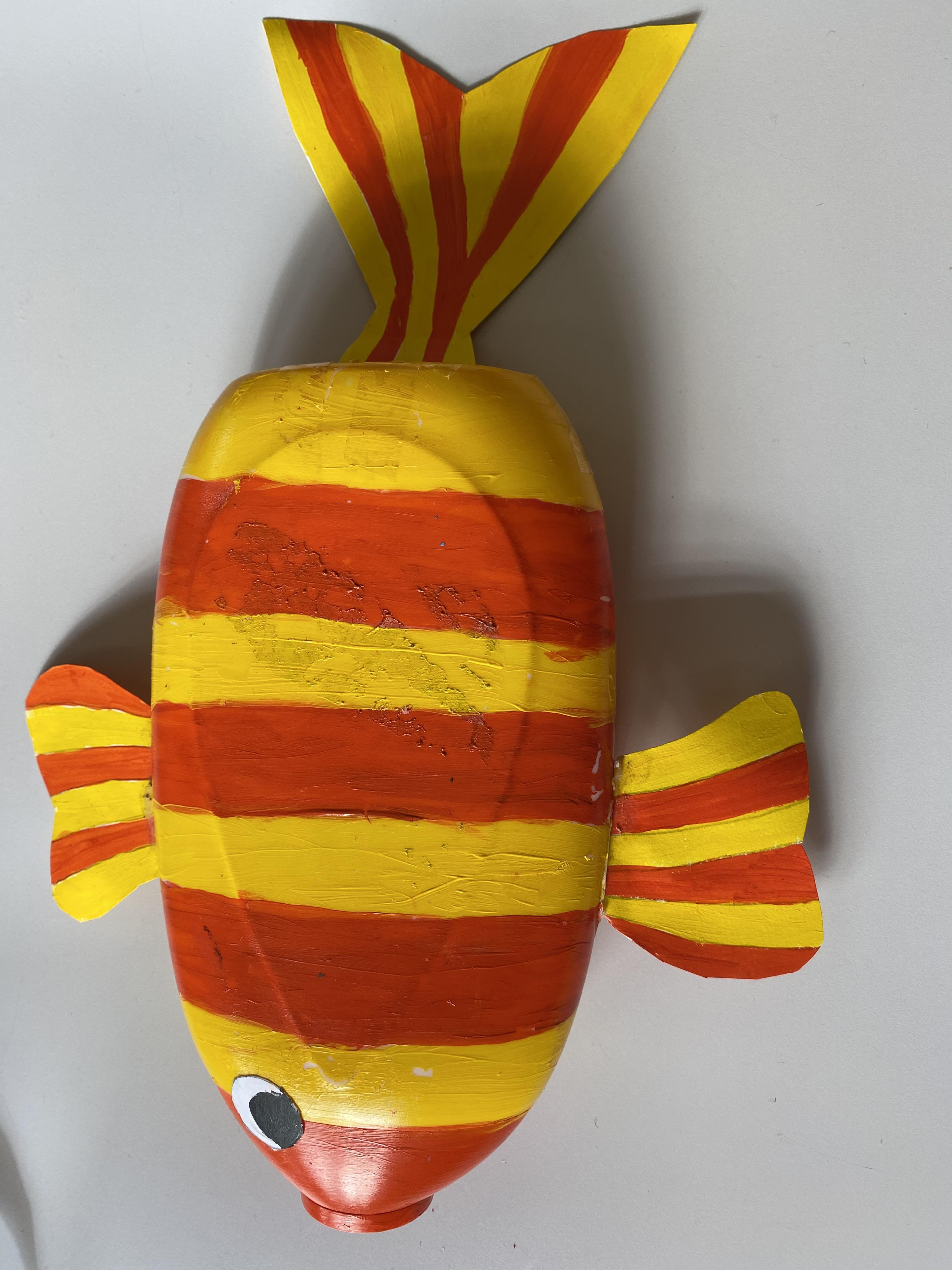
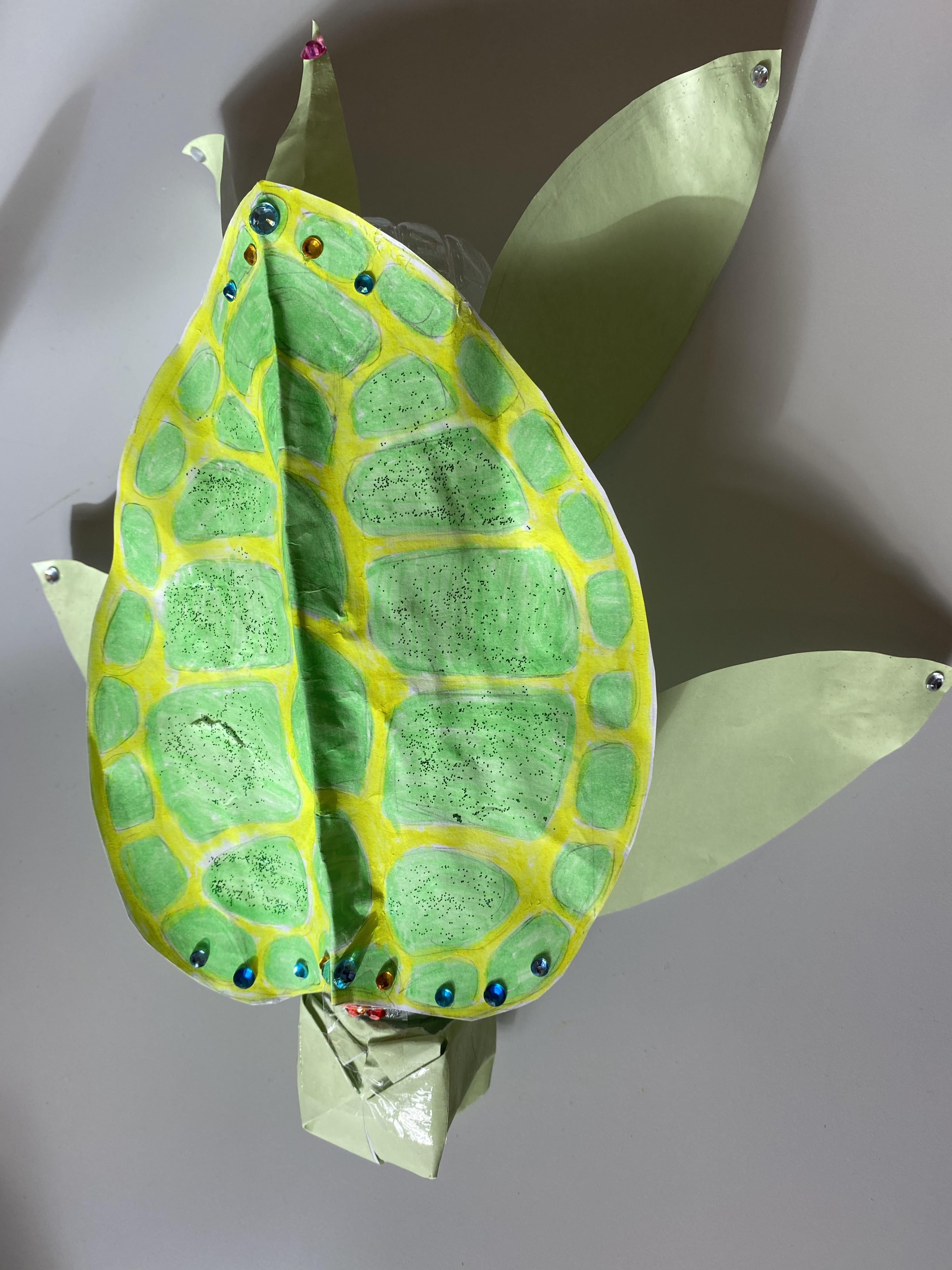
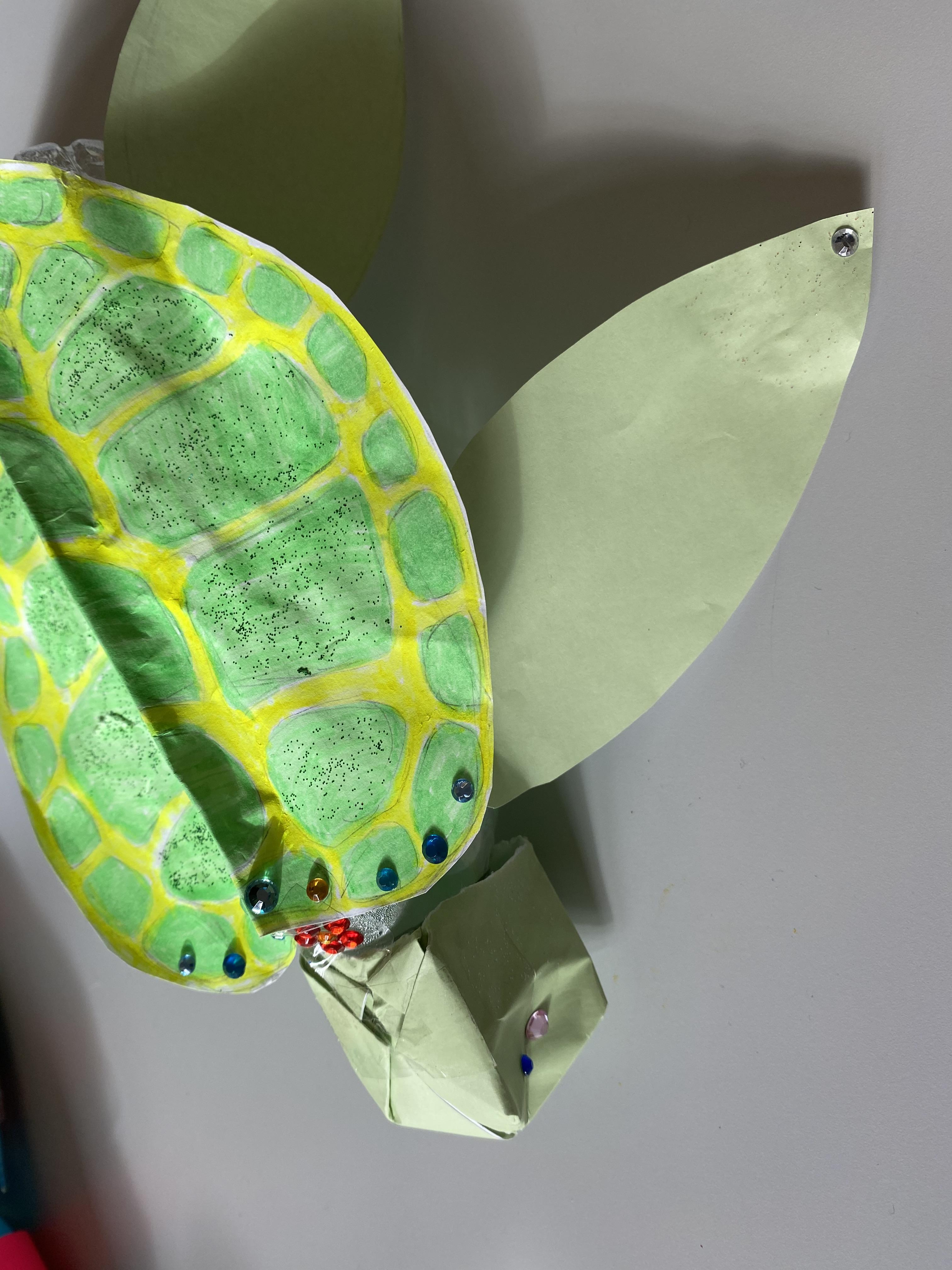
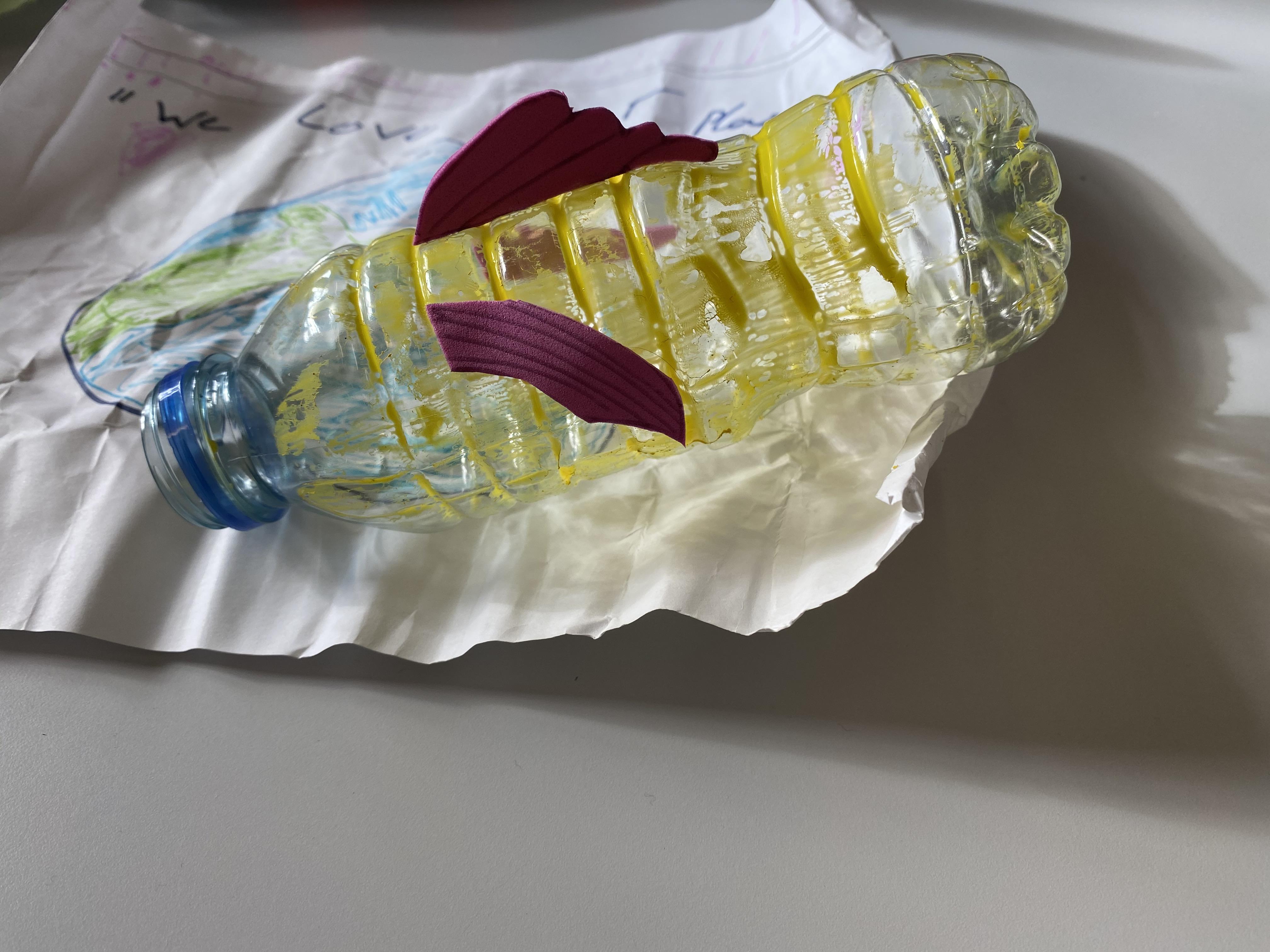
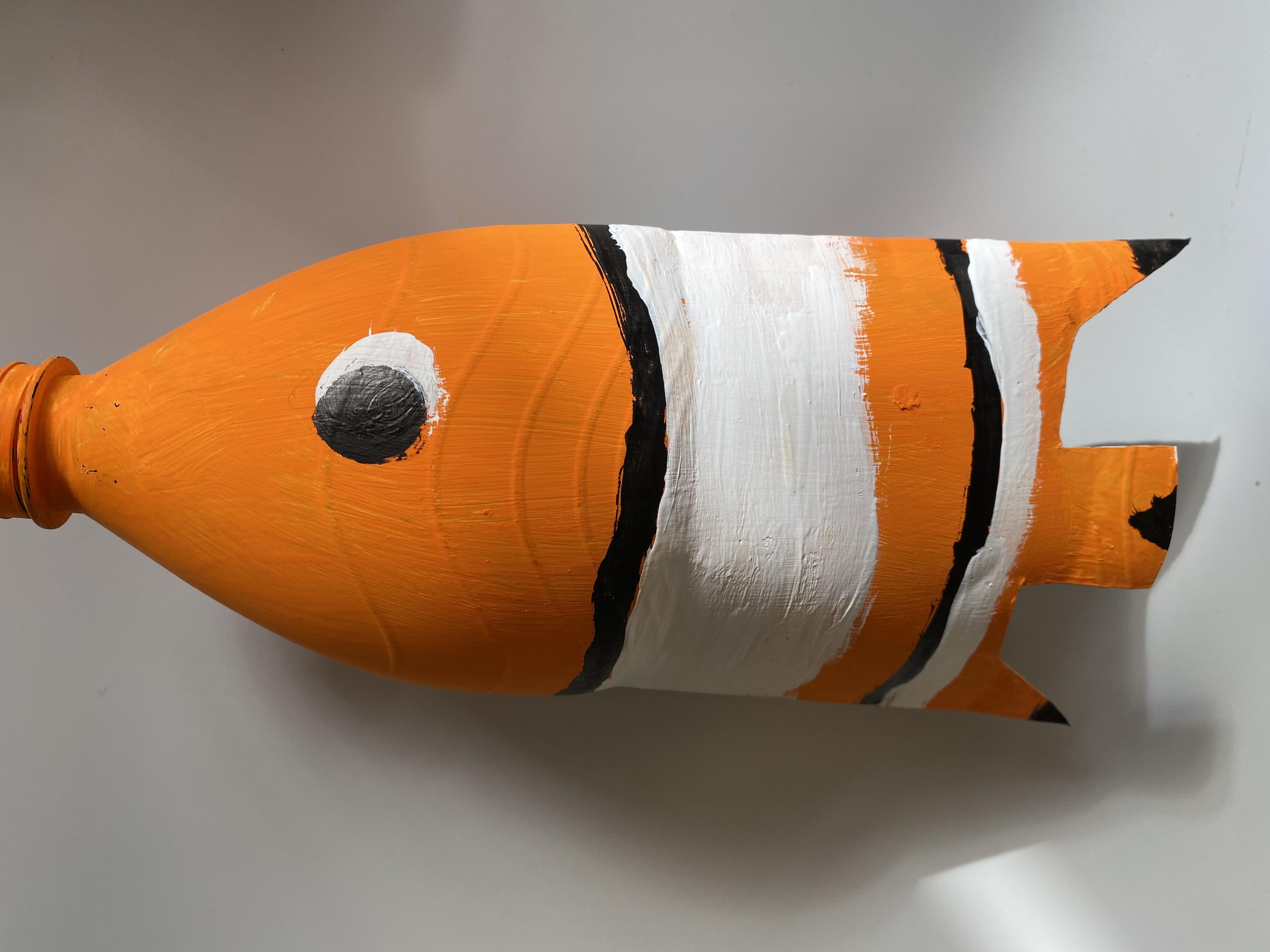
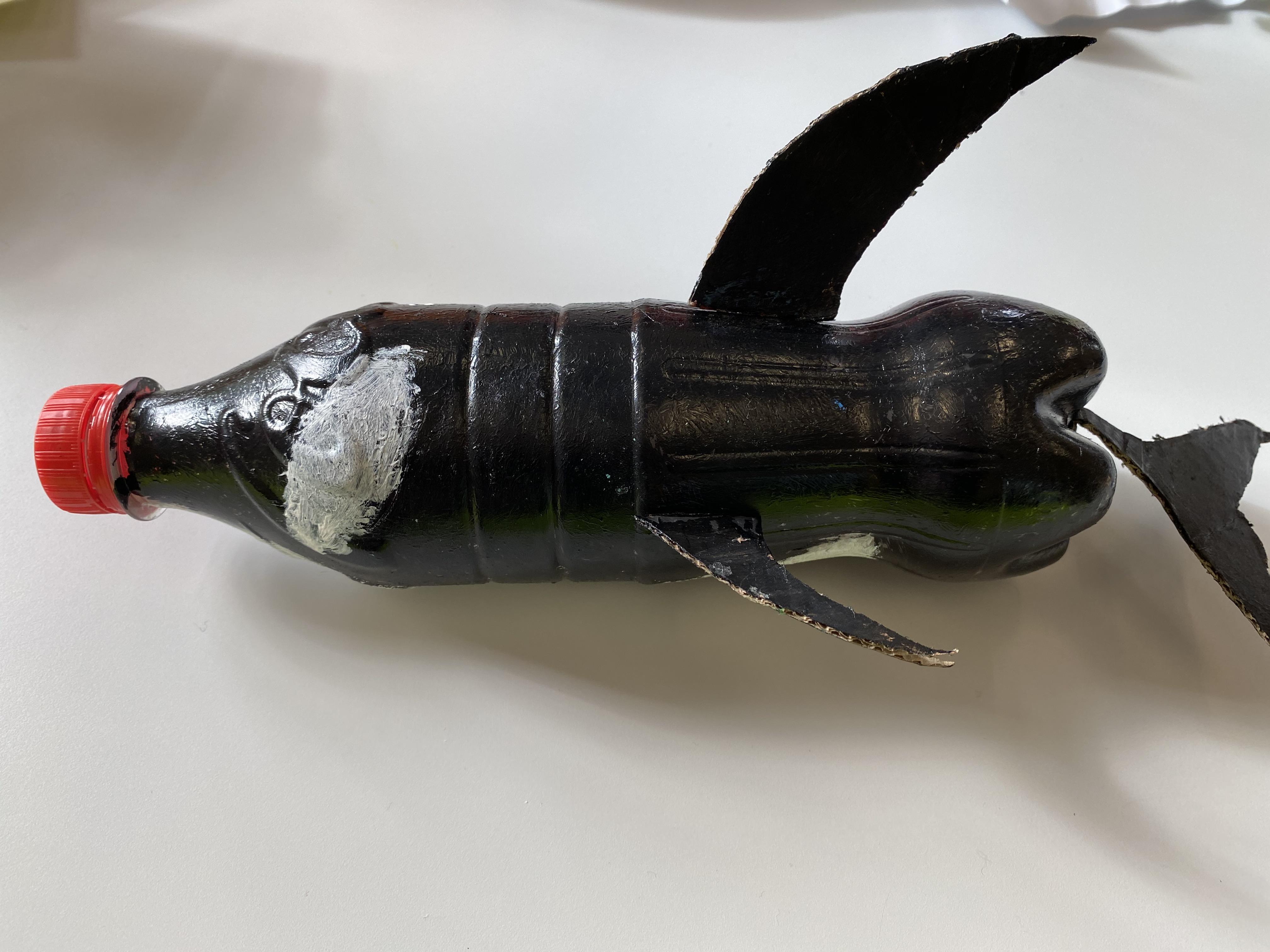
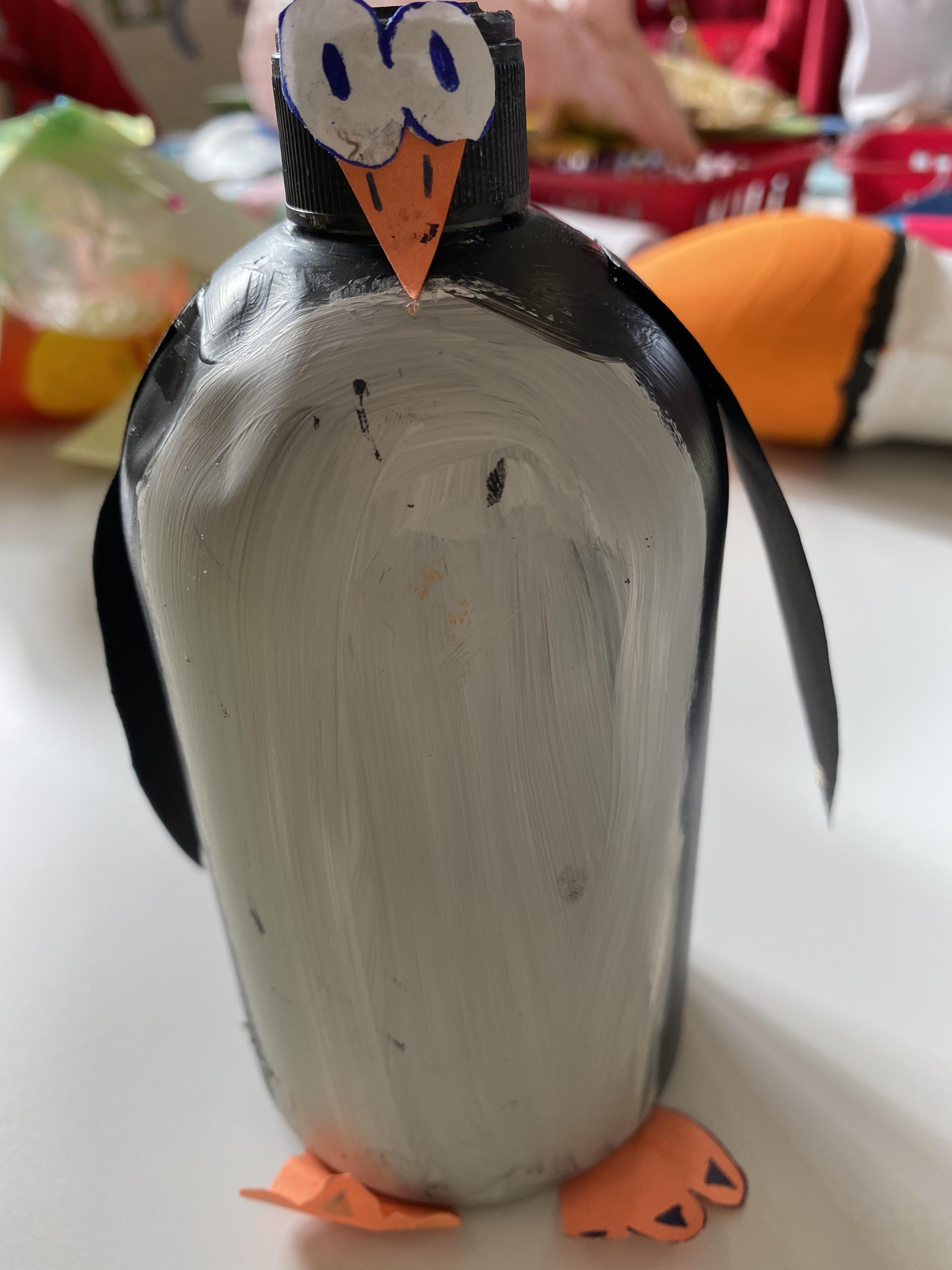
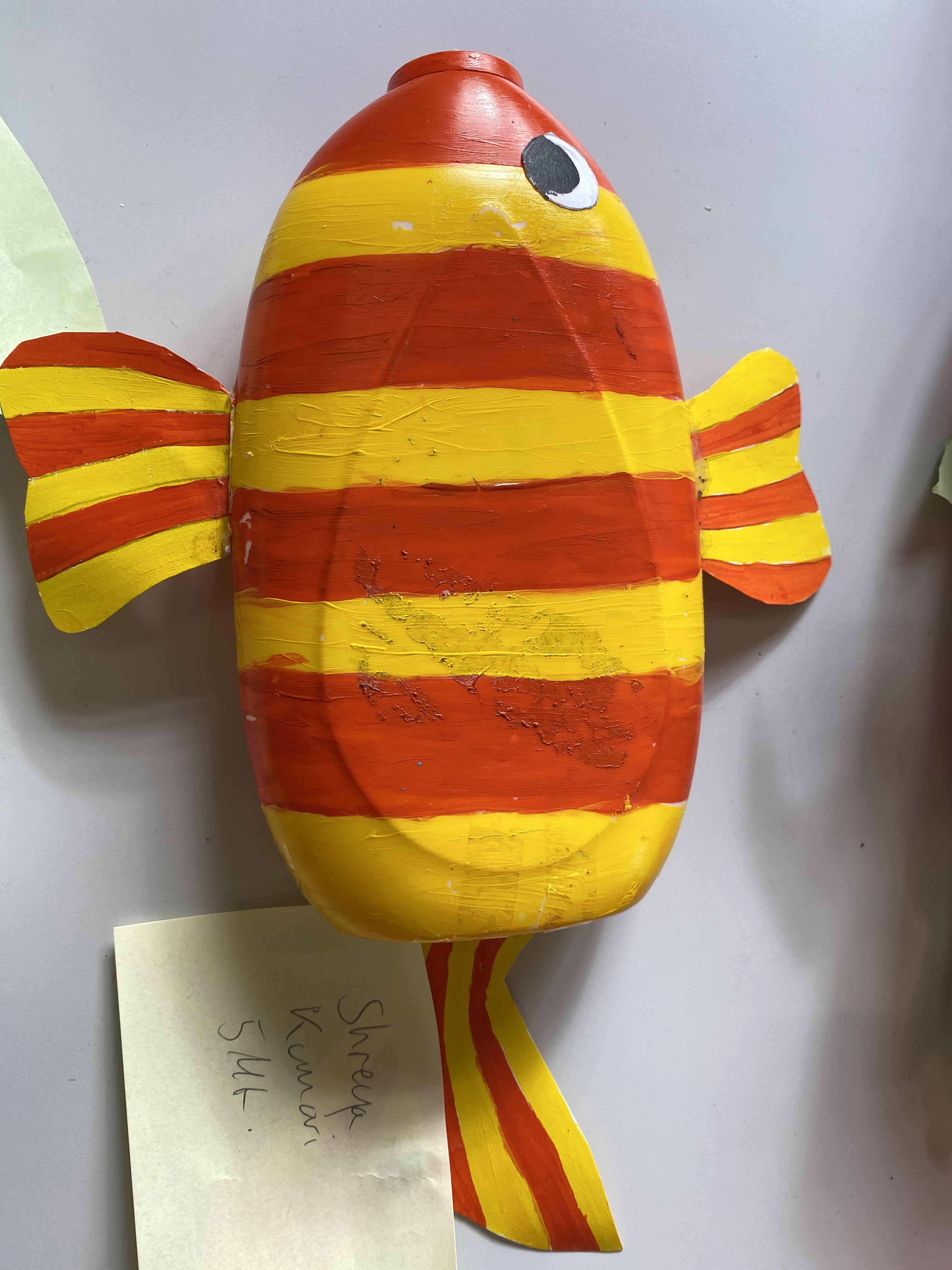
We have had an amazing response from the Science Competition - Message in a Bottle. Please enjoy the pictures, we are all winners !!
Message in a Bottle - Science Competition 2020
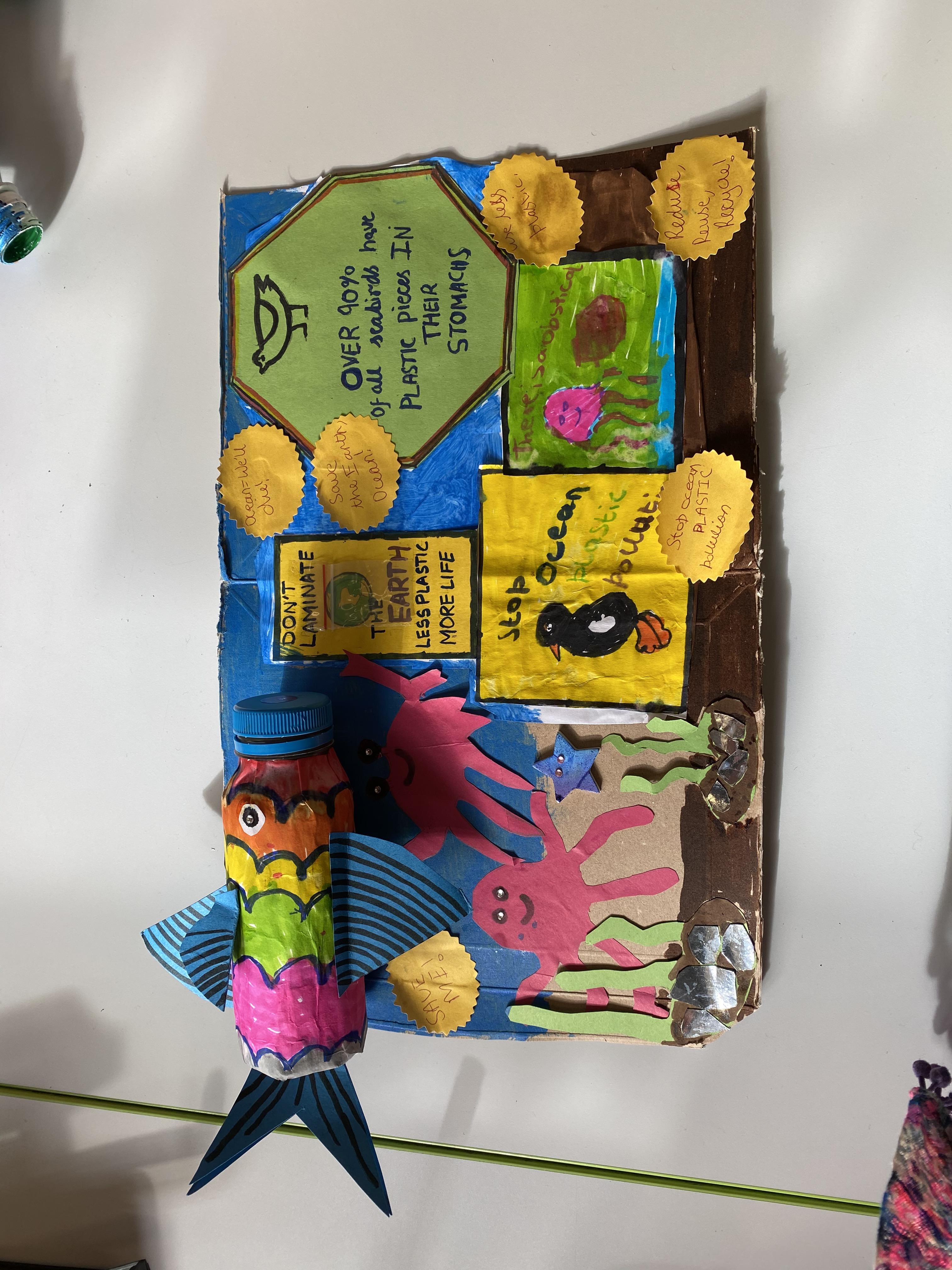
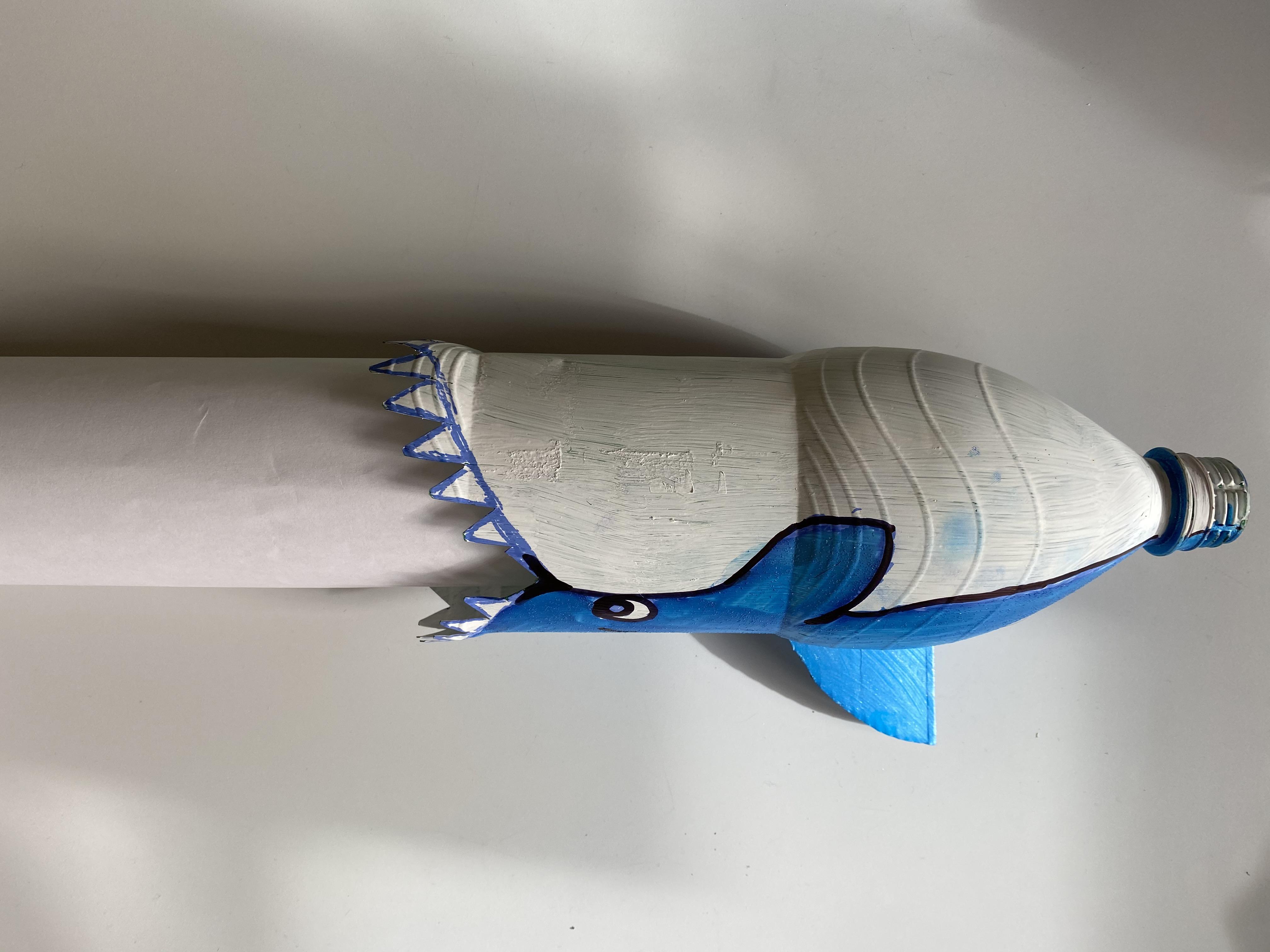
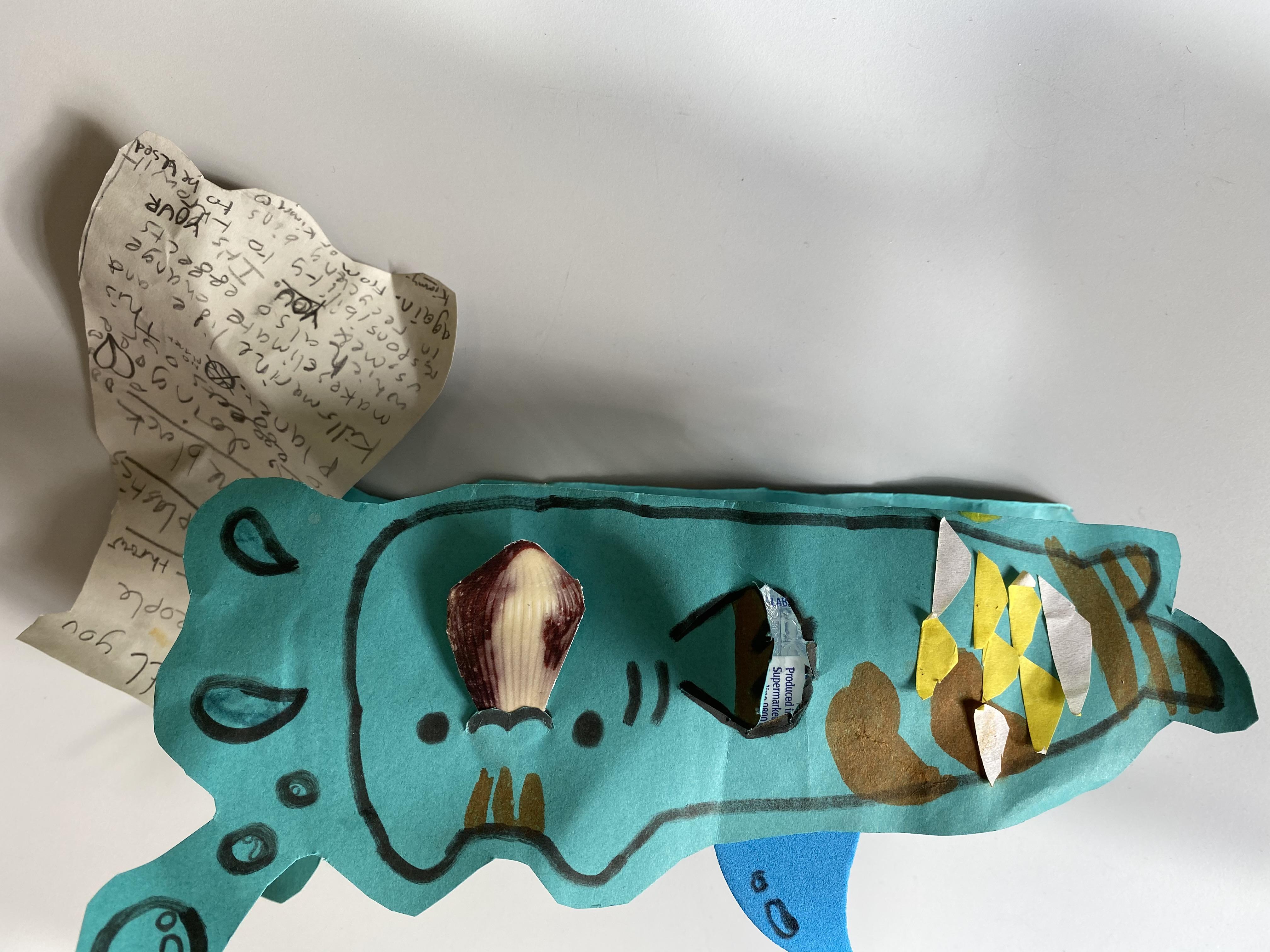
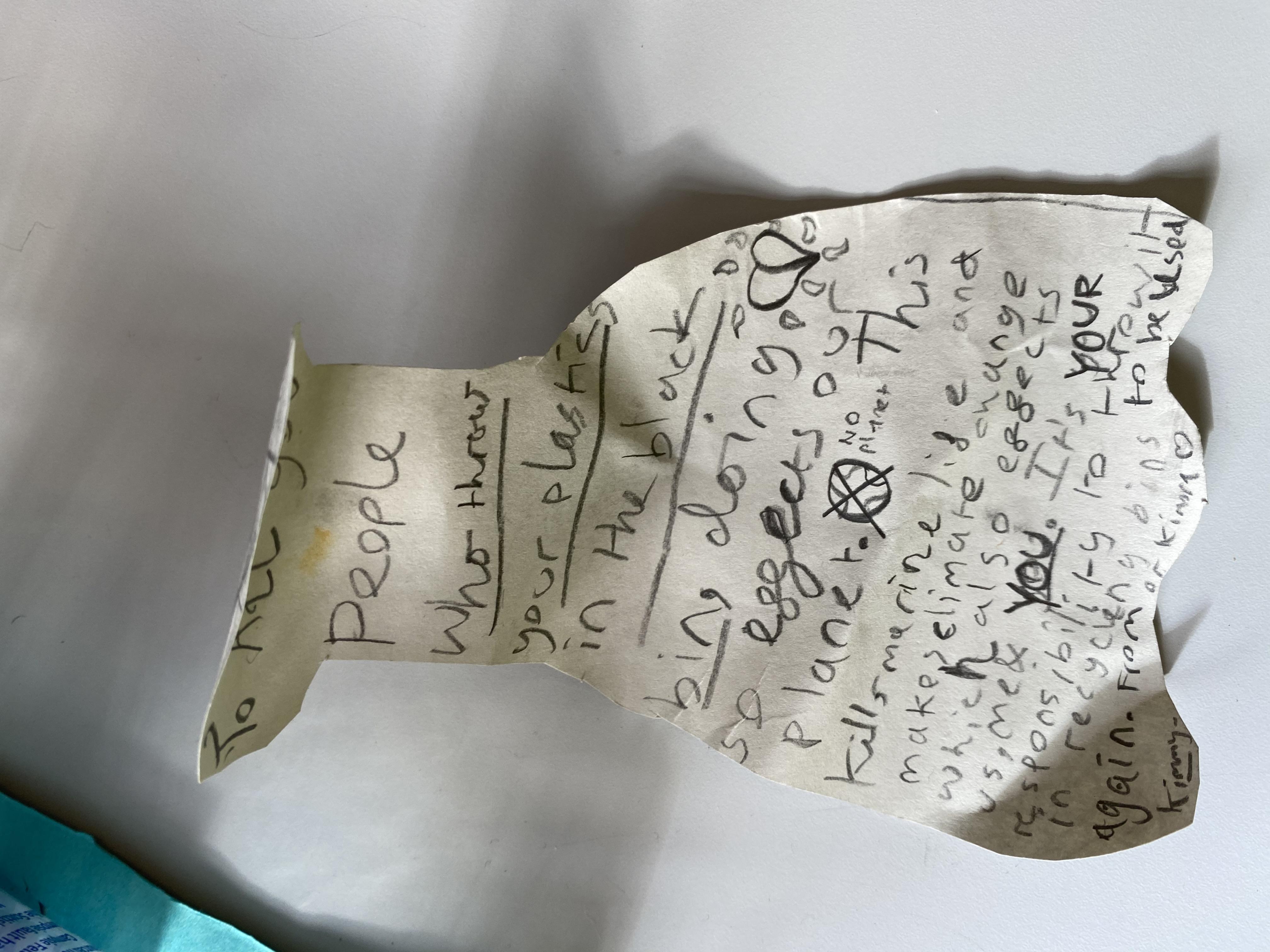
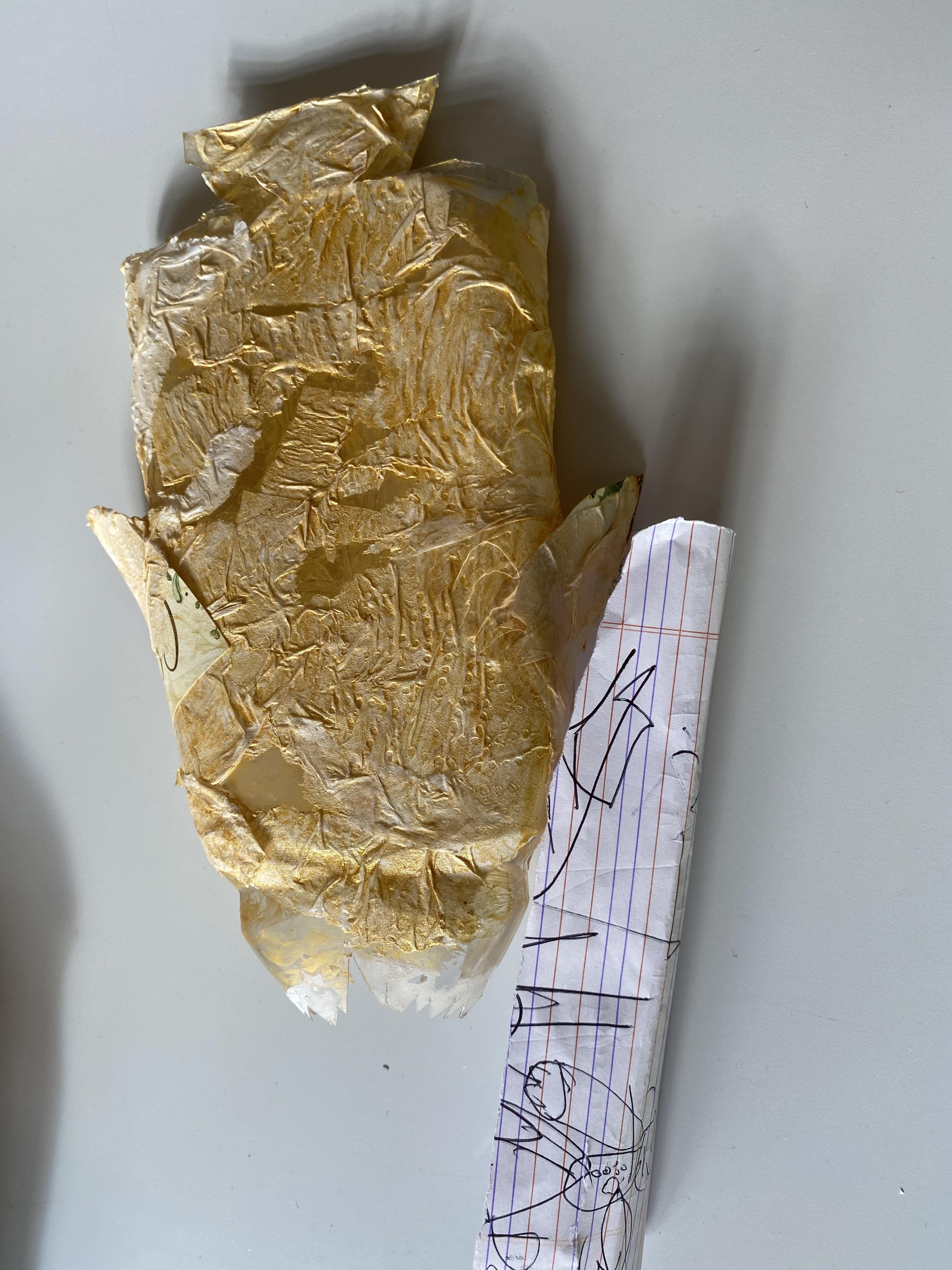
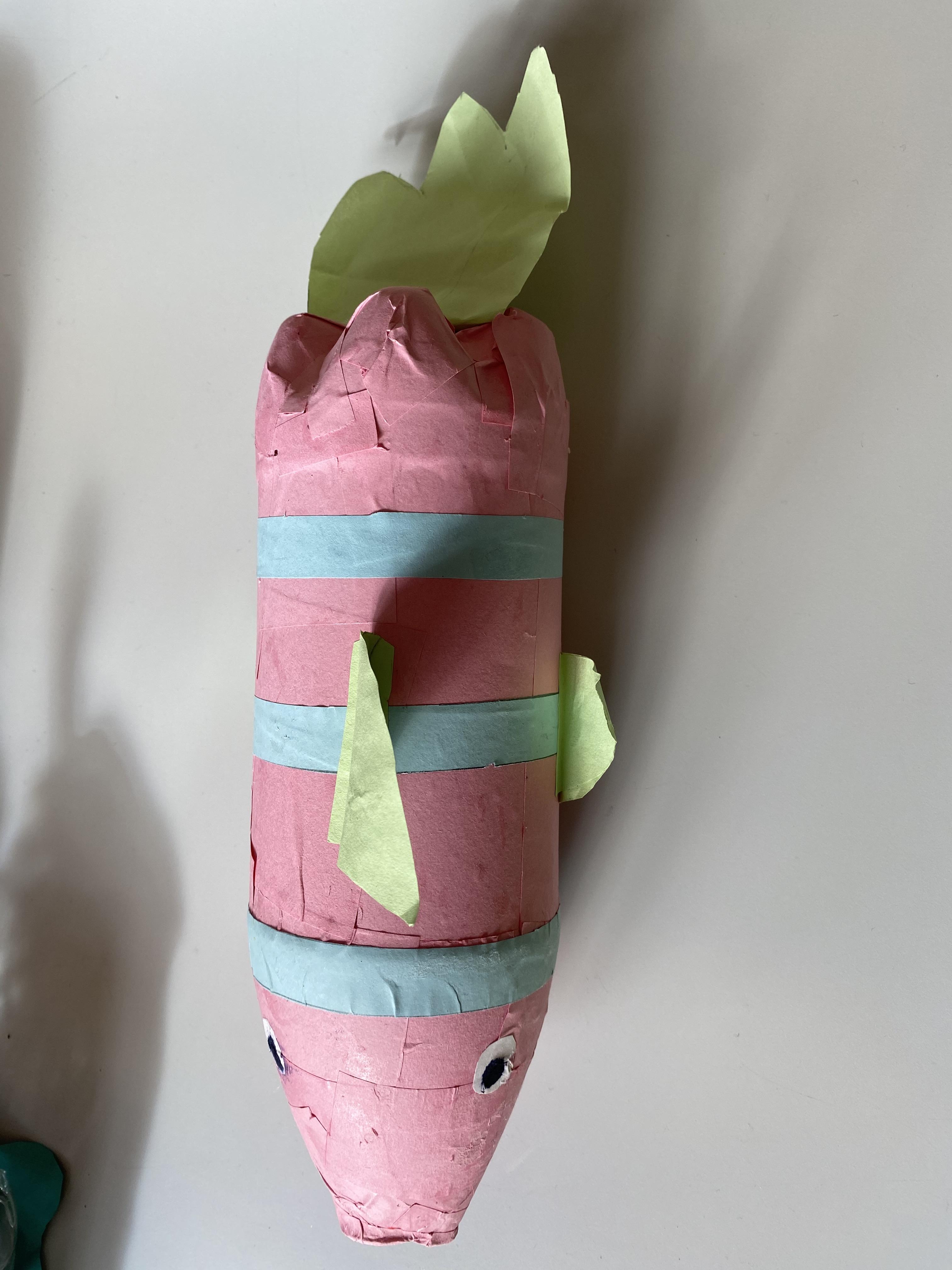
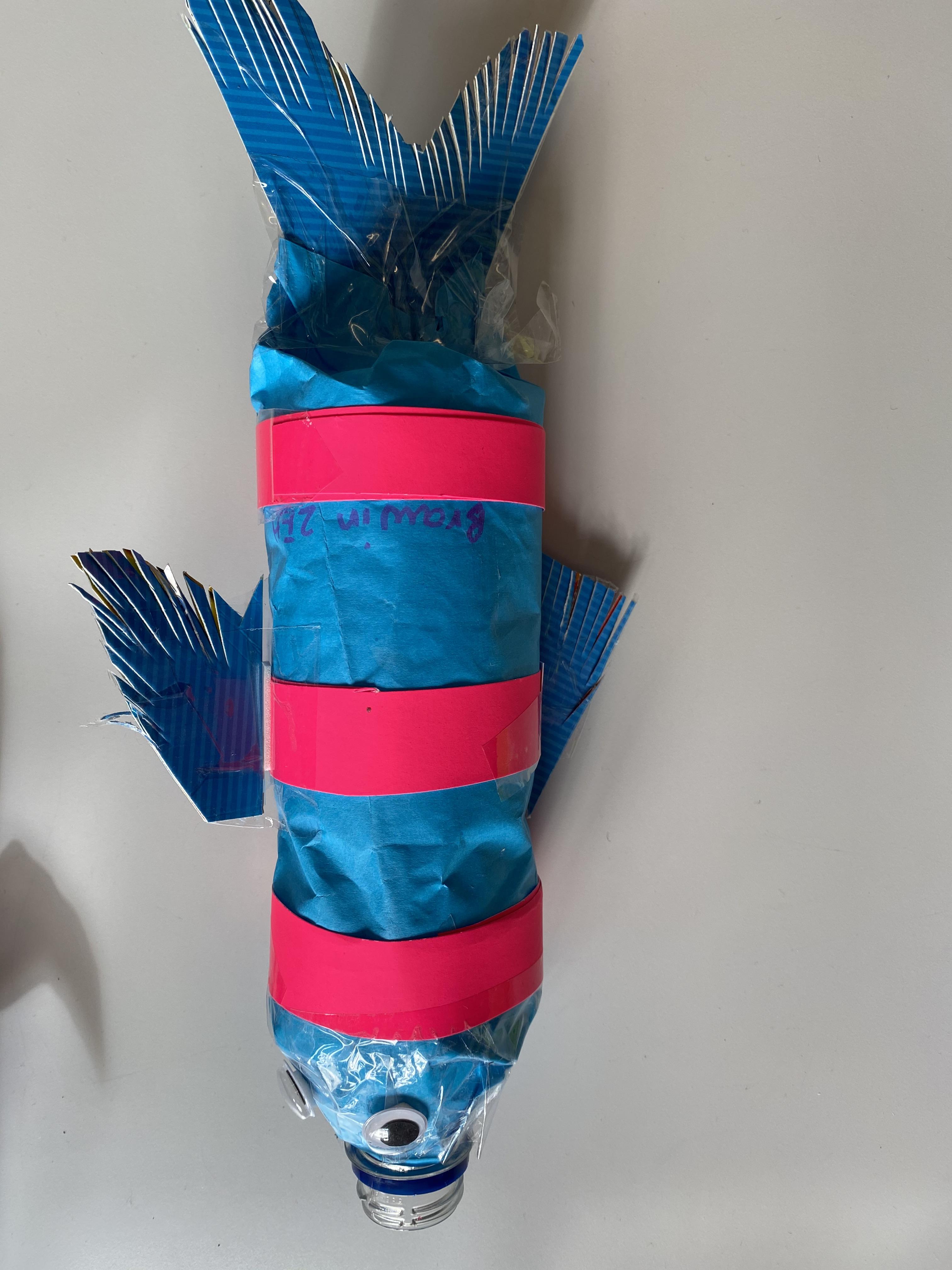
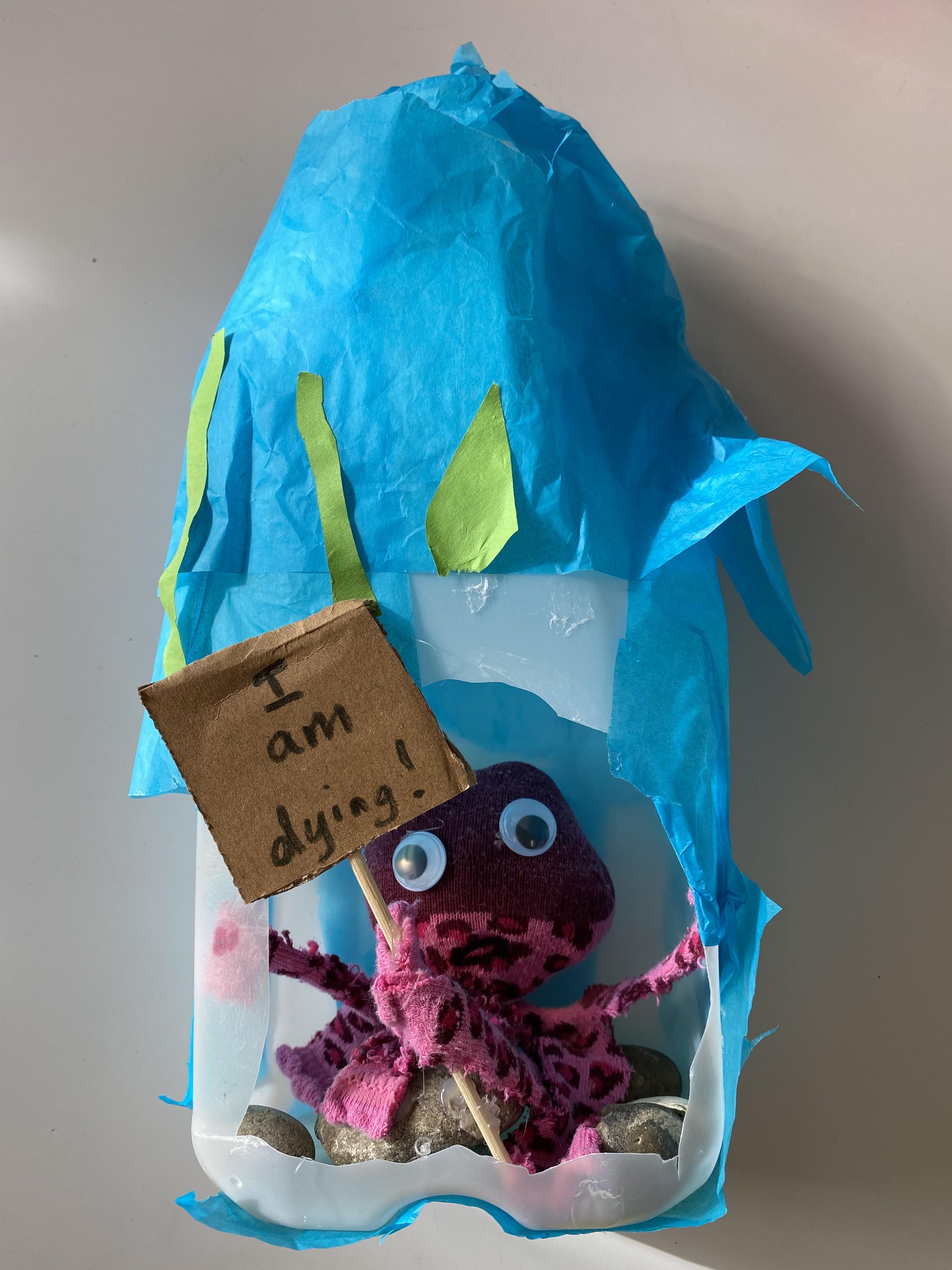

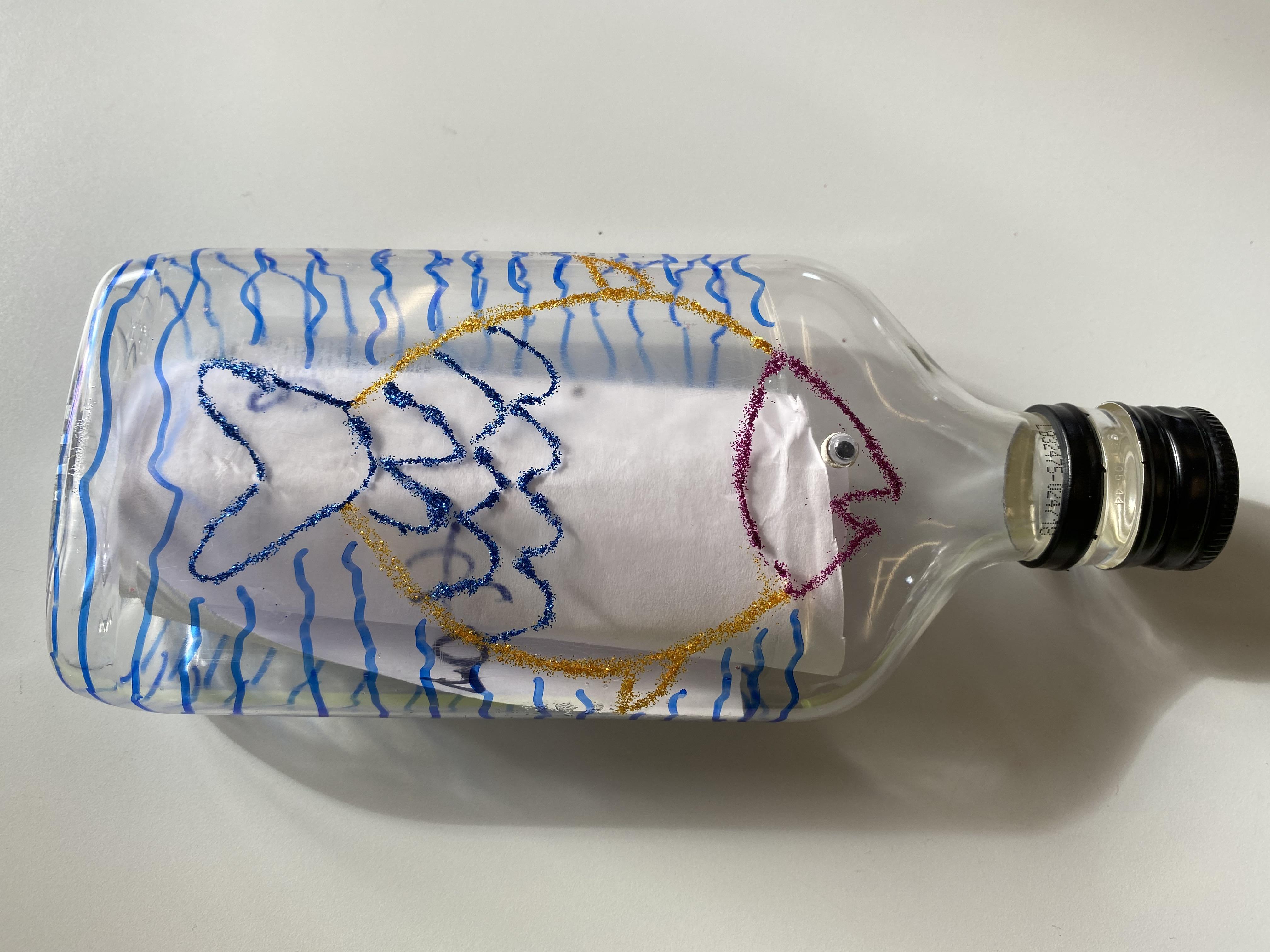

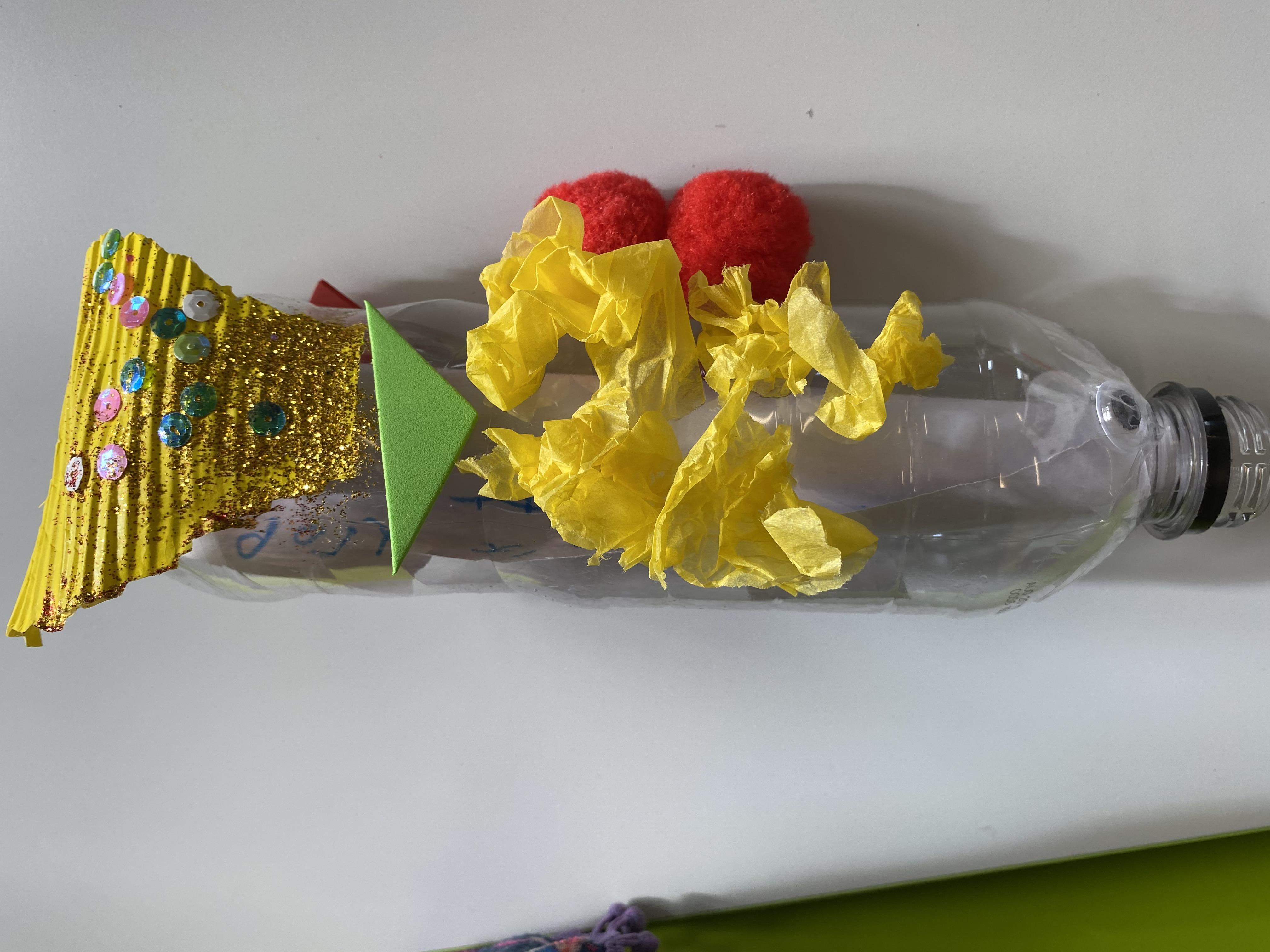
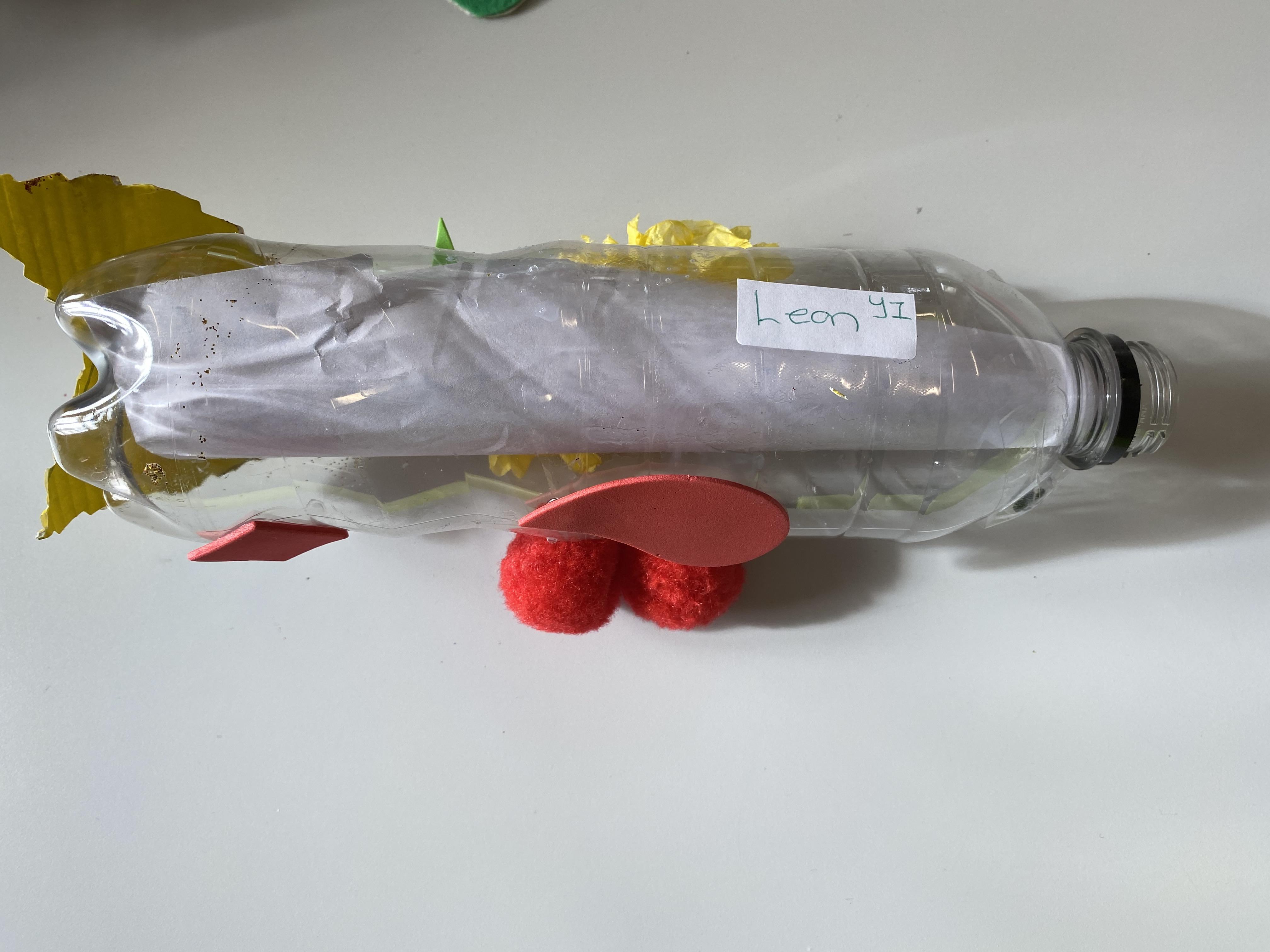
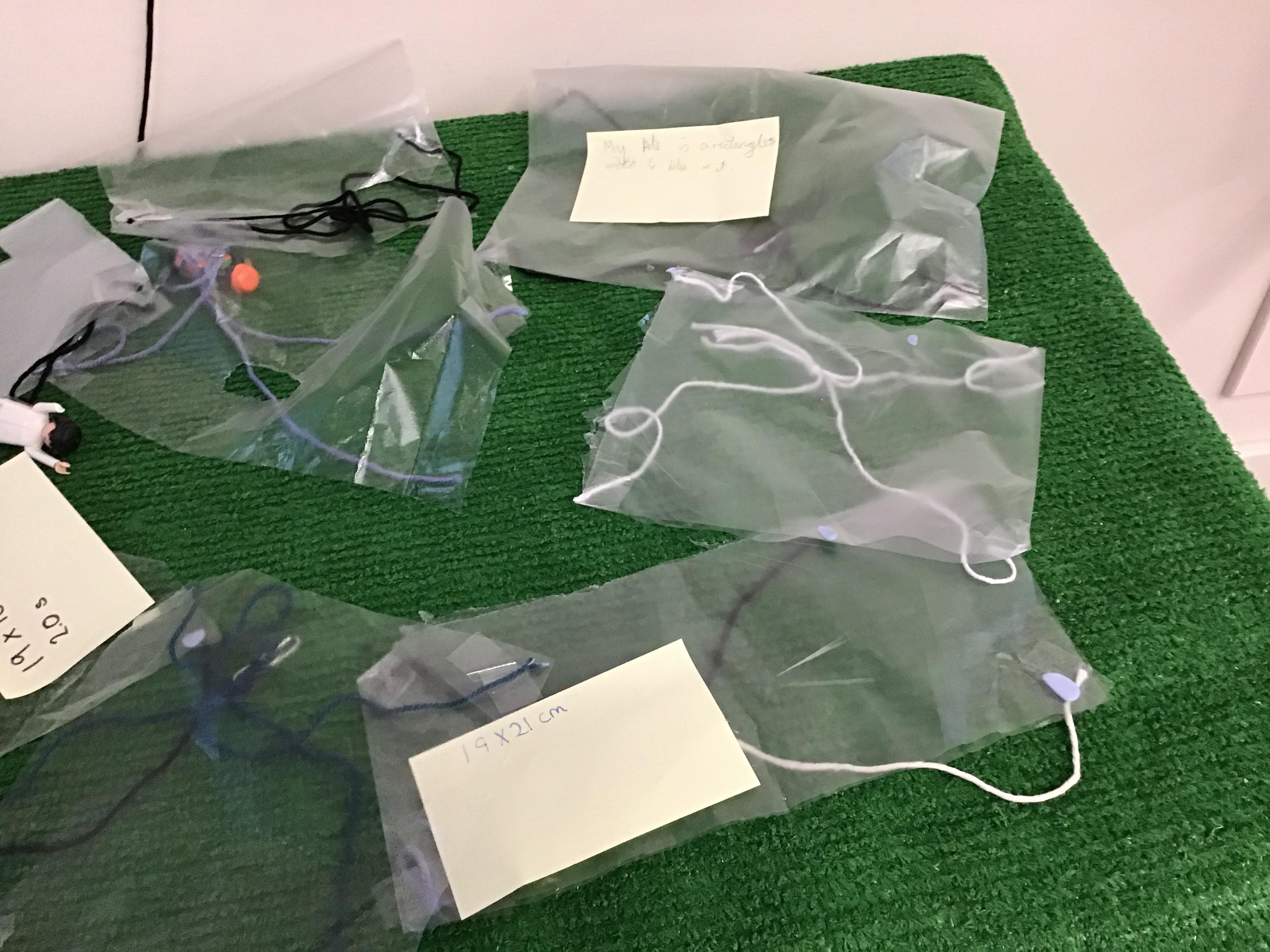
Parachute Problems
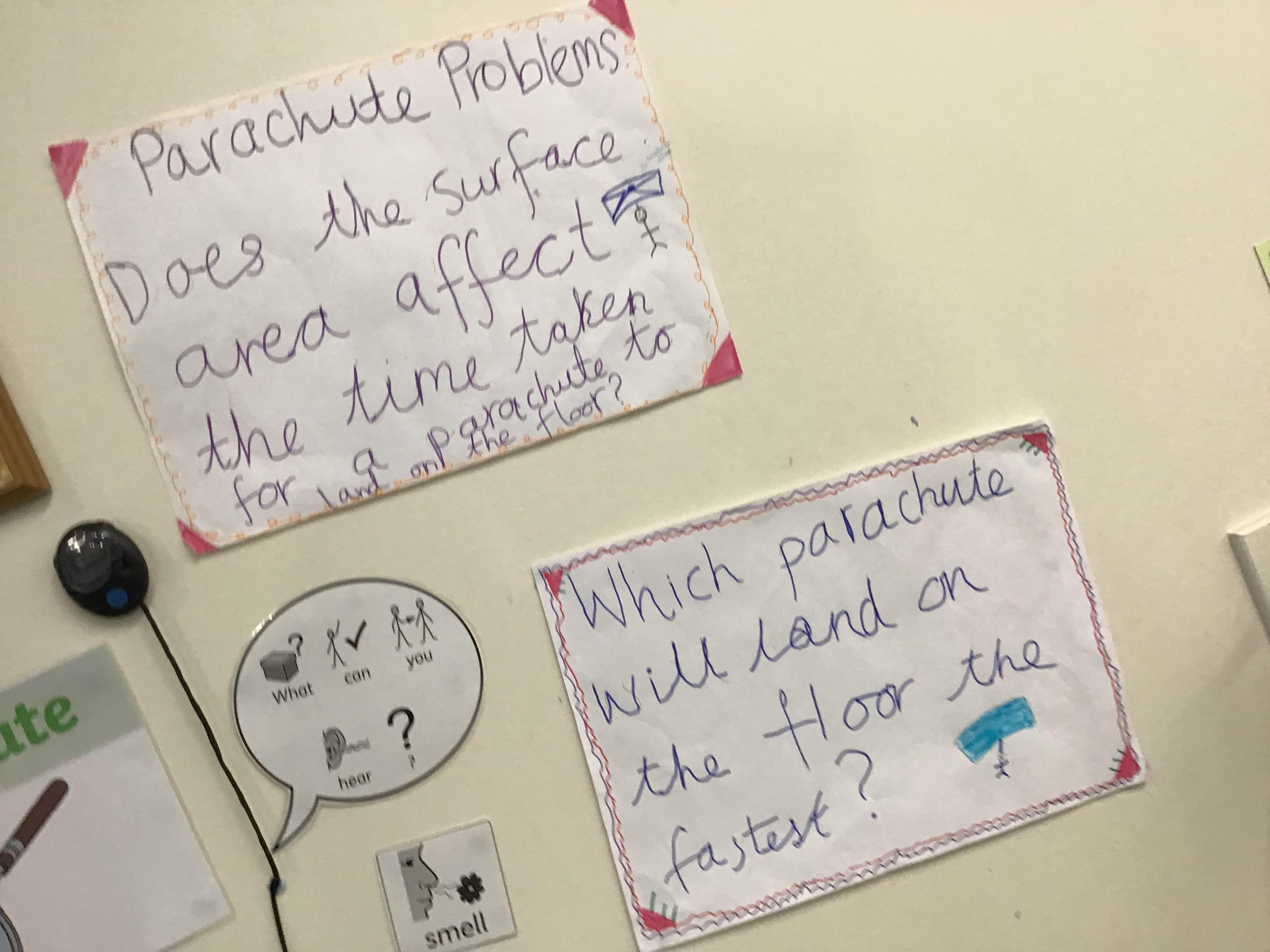
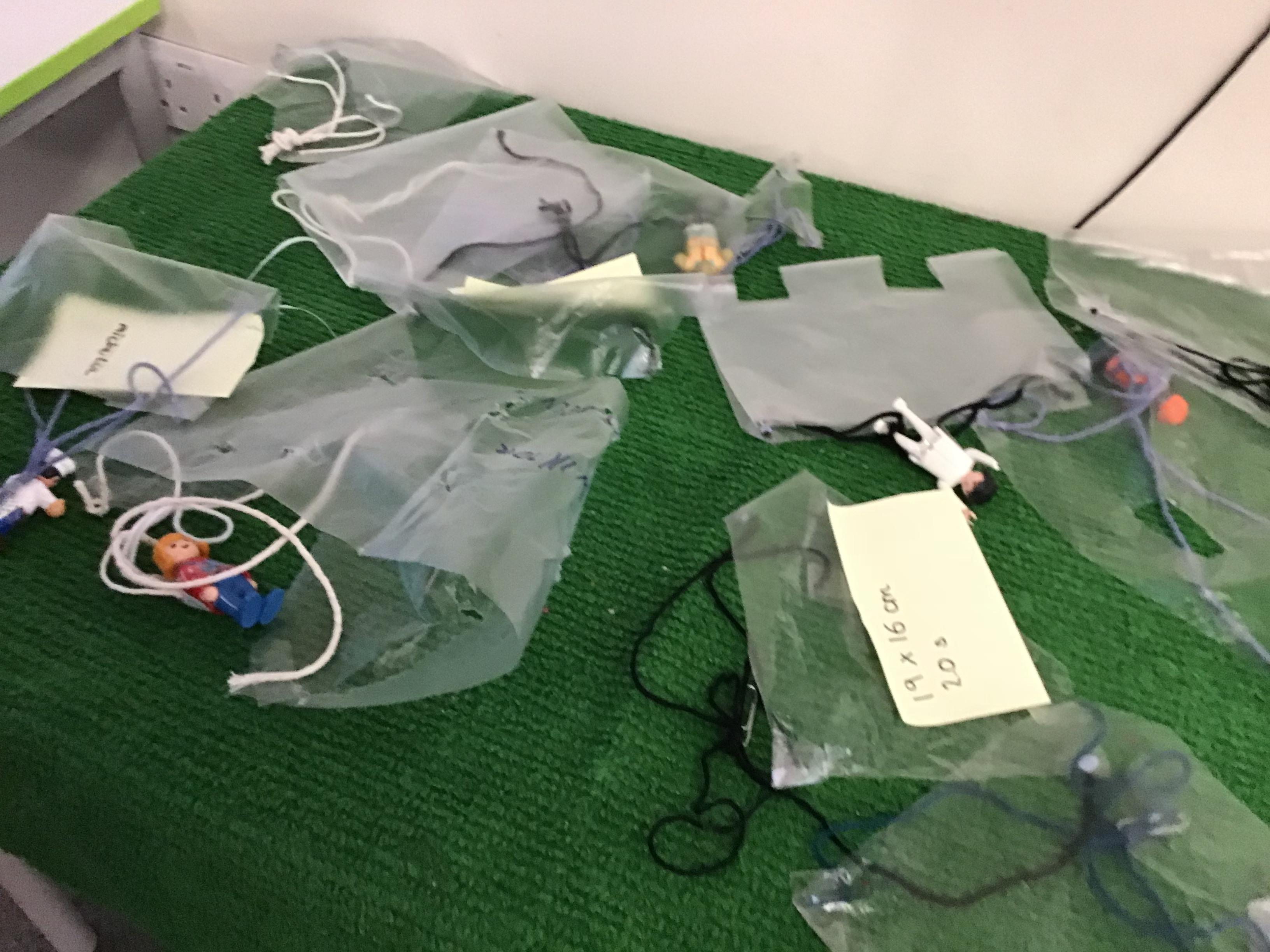
Our Science Discovery Table
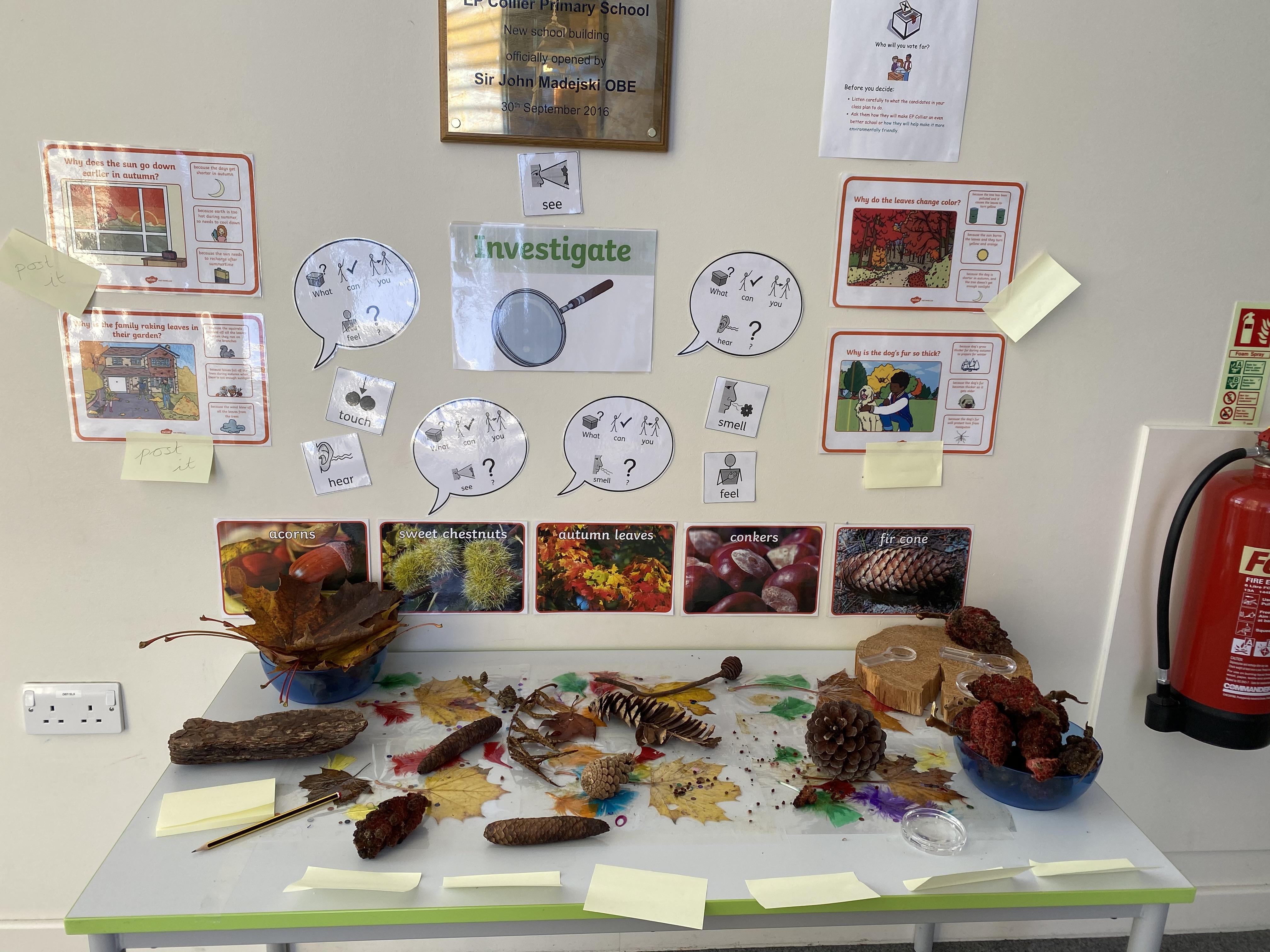
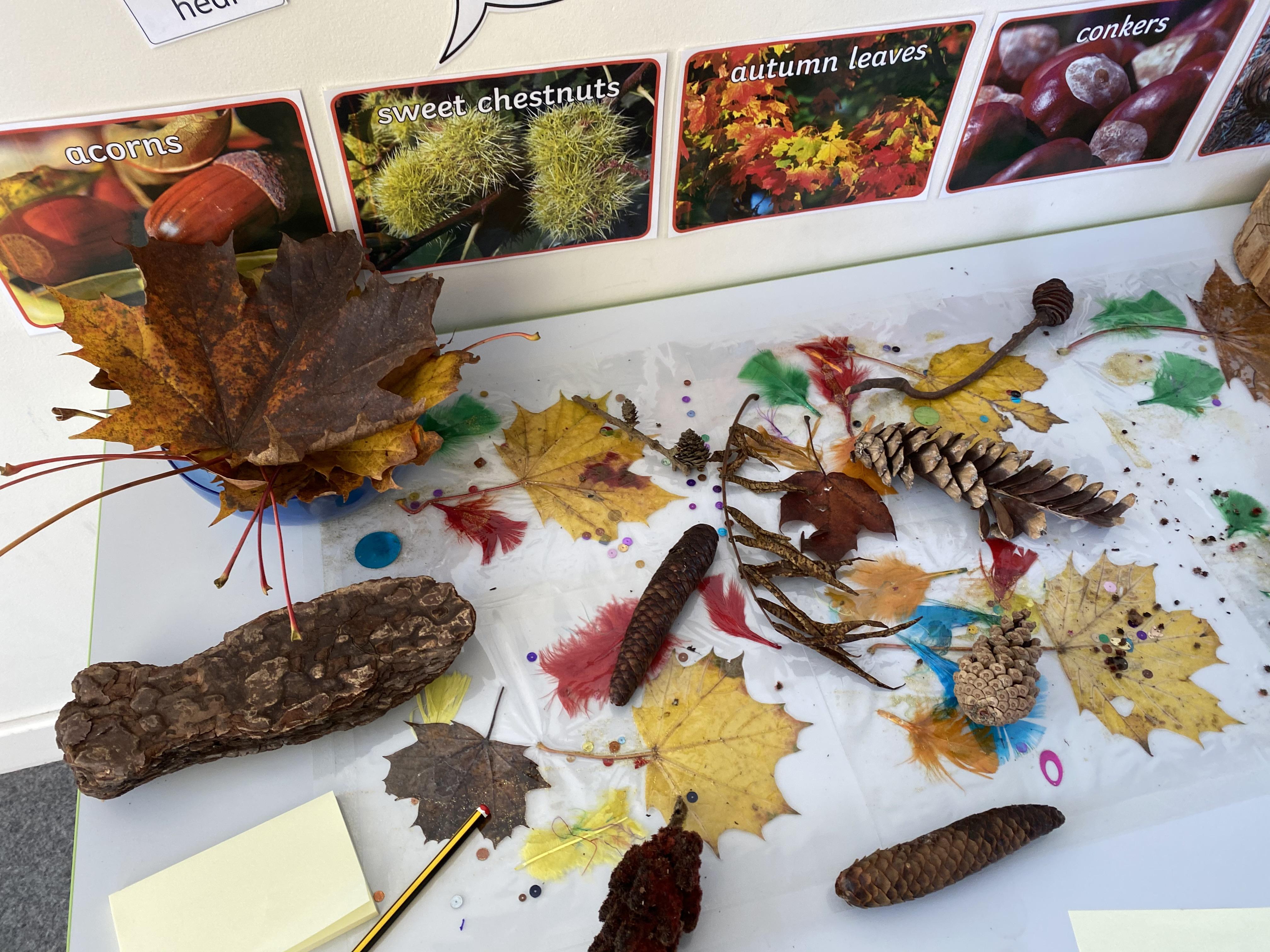
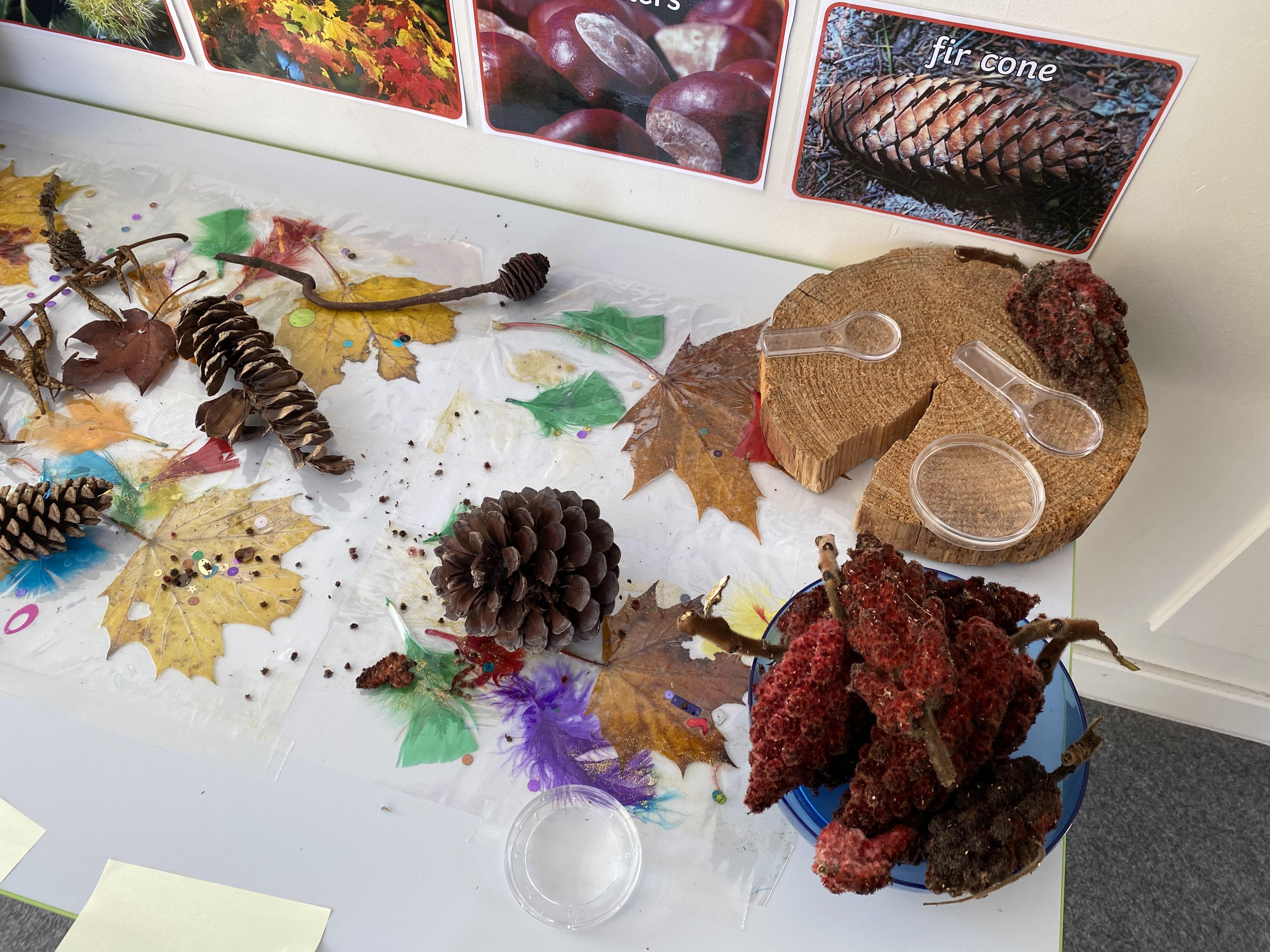

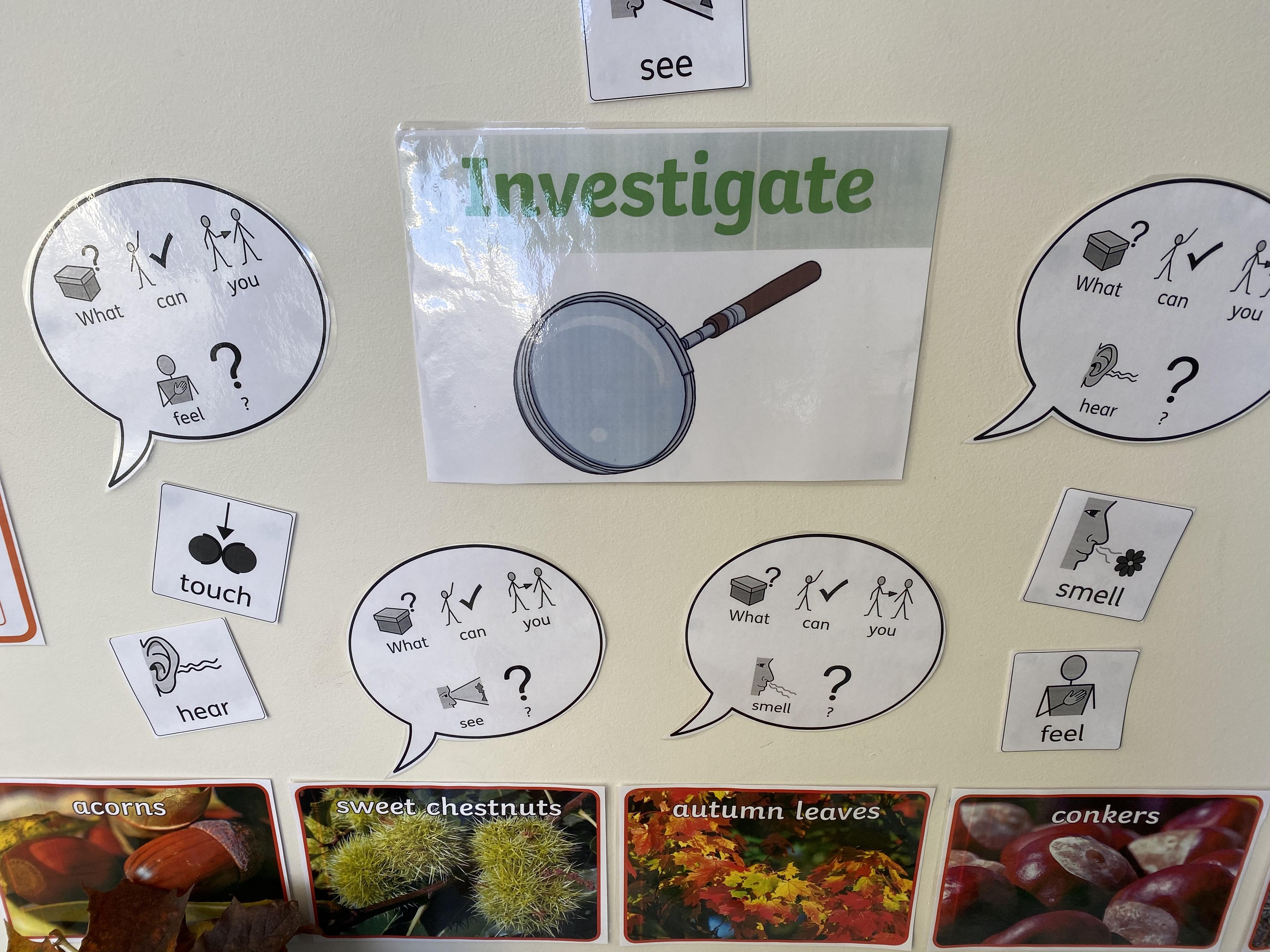
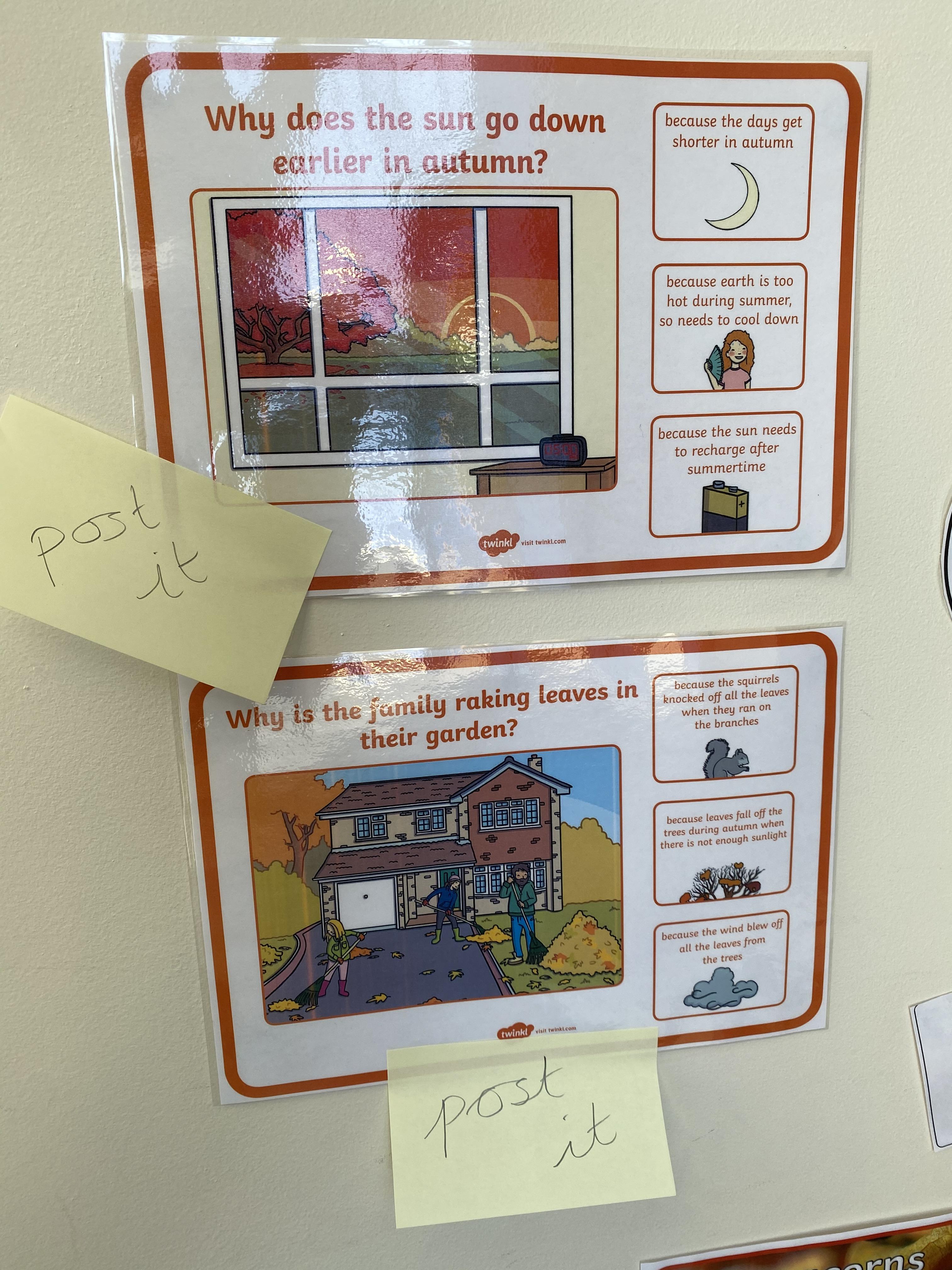
Odd one out quiz- Have a go at answering the questions. It would be great to get the family helping with ideas.
- Odd one out.ppt
-
Science Quizzes & Fun Learning
Test your knowledge and enjoy science with these online quizzes and activities:
-
BBC Bitesize Science Quizzes
-
DK Find Out! Science Games
Great Websites for Budding Scientists
Explore, discover, and learn with these trusted resources:
BBC Bitesize Science
Primary Science Teaching Trust (PSTT)
http://www.bbc.co.uk/bitesize/ks2/science/
http://www.bbc.co.uk/schools/dynamo/home.shtml
http://www.bbc.co.uk/schools/digger/
http://www.bbc.co.uk/schools/scienceclips/
http://www.bbc.co.uk/schools/podsmission/
Primary Science National Curriculum
Science Story Books, Magazines & Articles
We link science learning to storybooks, magazines, and articles to inspire curiosity and support literacy.
Year 1
-
The Tiny Seed by Eric Carle (plants)
-
What Makes a Rainbow? by Betty Schwartz (light and colour)
-
National Geographic Little Kids magazine (animals and nature)
-
Oi Frog! by Kes Gray (habitats and adaptations)
Year 2
-
Claude in the City by Alex T. Smith (materials)
-
Look Inside: Habitats by Rob Lloyd Jones
-
A Seed Is Sleepy by Dianna Hutts Aston (plant growth)
-
Skeletons: Human and Animal by DK (bones and the human skeleton)
-
Whizz Pop Bang STEM articles
Year 3
-
Ada Twist, Scientist by Andrea Beaty (scientific enquiry)
-
The Fantastic Flying Books of Mr. Morris Lessmore by William Joyce (air and forces)
-
The Digestive System by Rebecca L. Johnson
-
Whizz Pop Bang magazine experiments
Year 4
-
George’s Secret Key to the Universe by Lucy & Stephen Hawking (space)
-
Electricity and Magnetism by Patricia J. Wynne
-
You Wouldn’t Want to Live Without… Electricity! by Ian Graham
-
Human Body: A Visual Encyclopedia by DK (skeleton, organs, systems)
-
National Geographic Kids science articles
Year 5
-
Charlotte’s Web by E. B. White (life cycles and animals)
-
Science Experiments You Can Eat by Vicki Cobb
-
Storm in a Bottle by Mary Kay Carson (weather and forces)
-
Space Explorers: A Journey to the Planets by DK
-
Amazing Science magazine (experiments and discoveries)
Year 6
-
Cosmos by Carl Sagan (space and astronomy)
-
Hidden Figures: The True Story of Four Black Women and the Space Race by Margot Lee Shetterly
-
New Scientist Kids articles (cutting-edge science news simplified)
-
Rocks and Minerals by Steve Parker
-
The Human Body Book by Steve Parker (skeleton, organs, and body systems)
-
Exploring Space: From Galileo to the Mars Rover by DK
These resources connect reading to science concepts, building knowledge, vocabulary, and a lifelong curiosity.
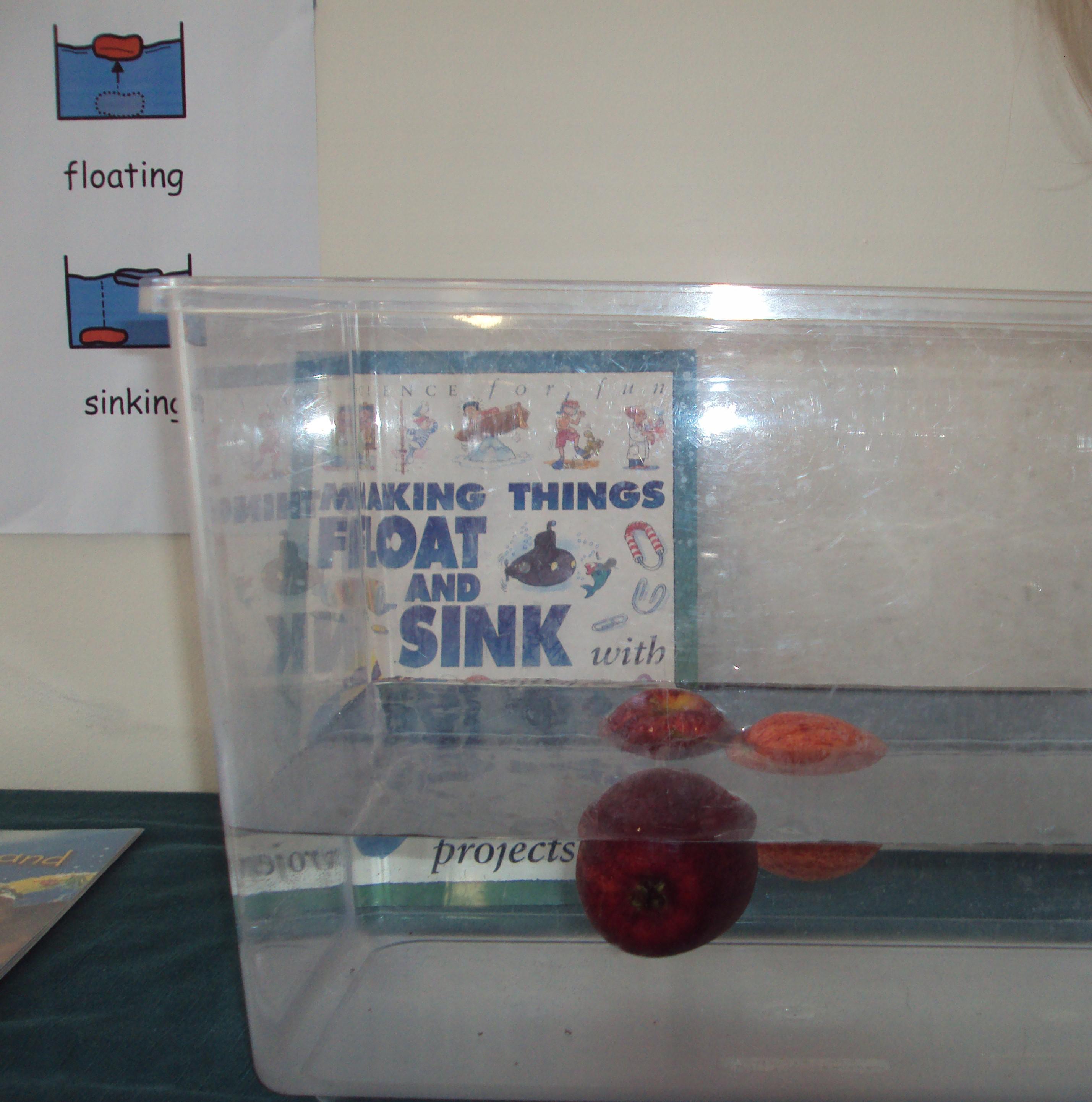
Have you ever played a game of apple bobbing? Have you ever wondered why the apples float in water? Can you find out?

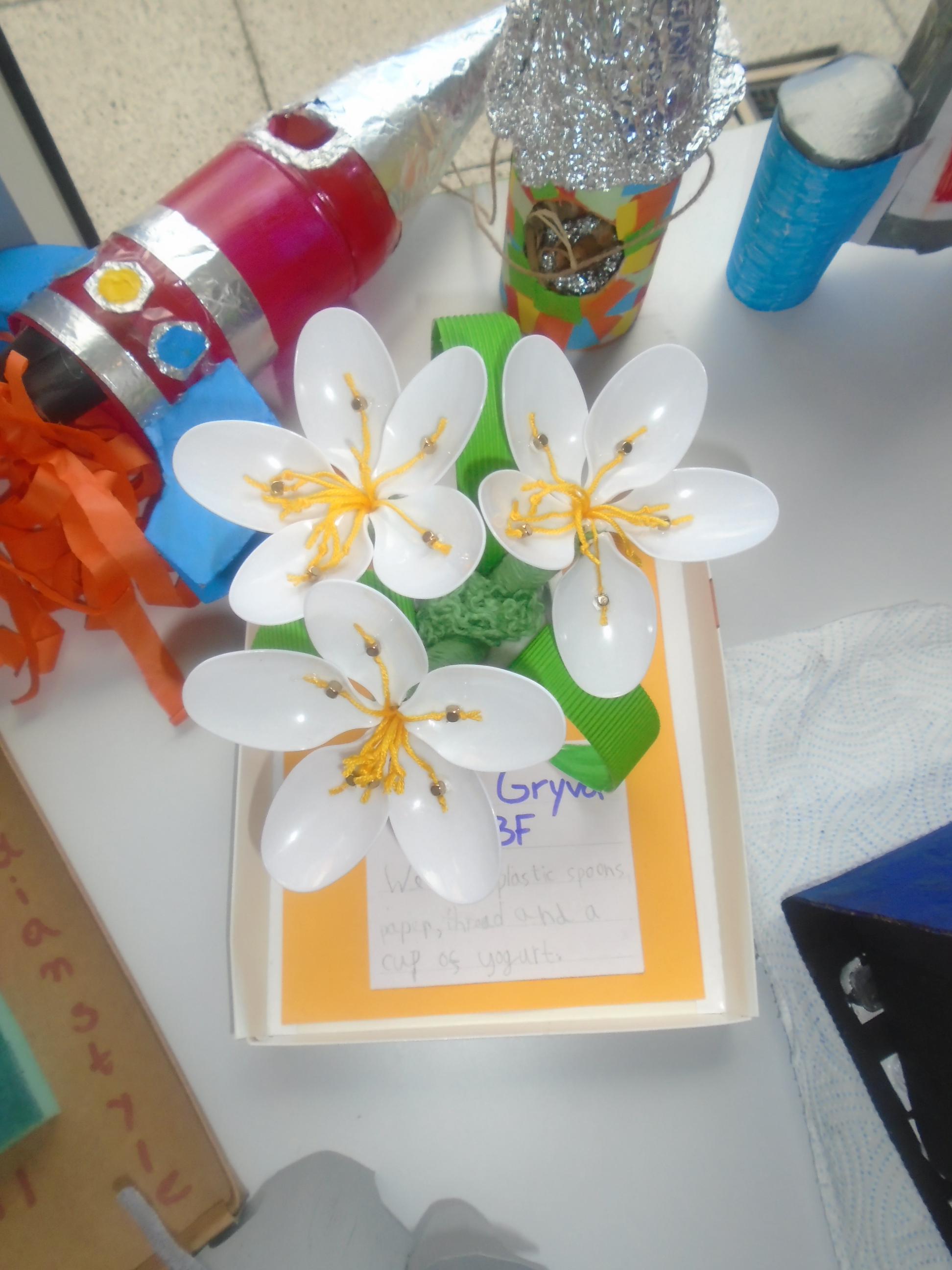
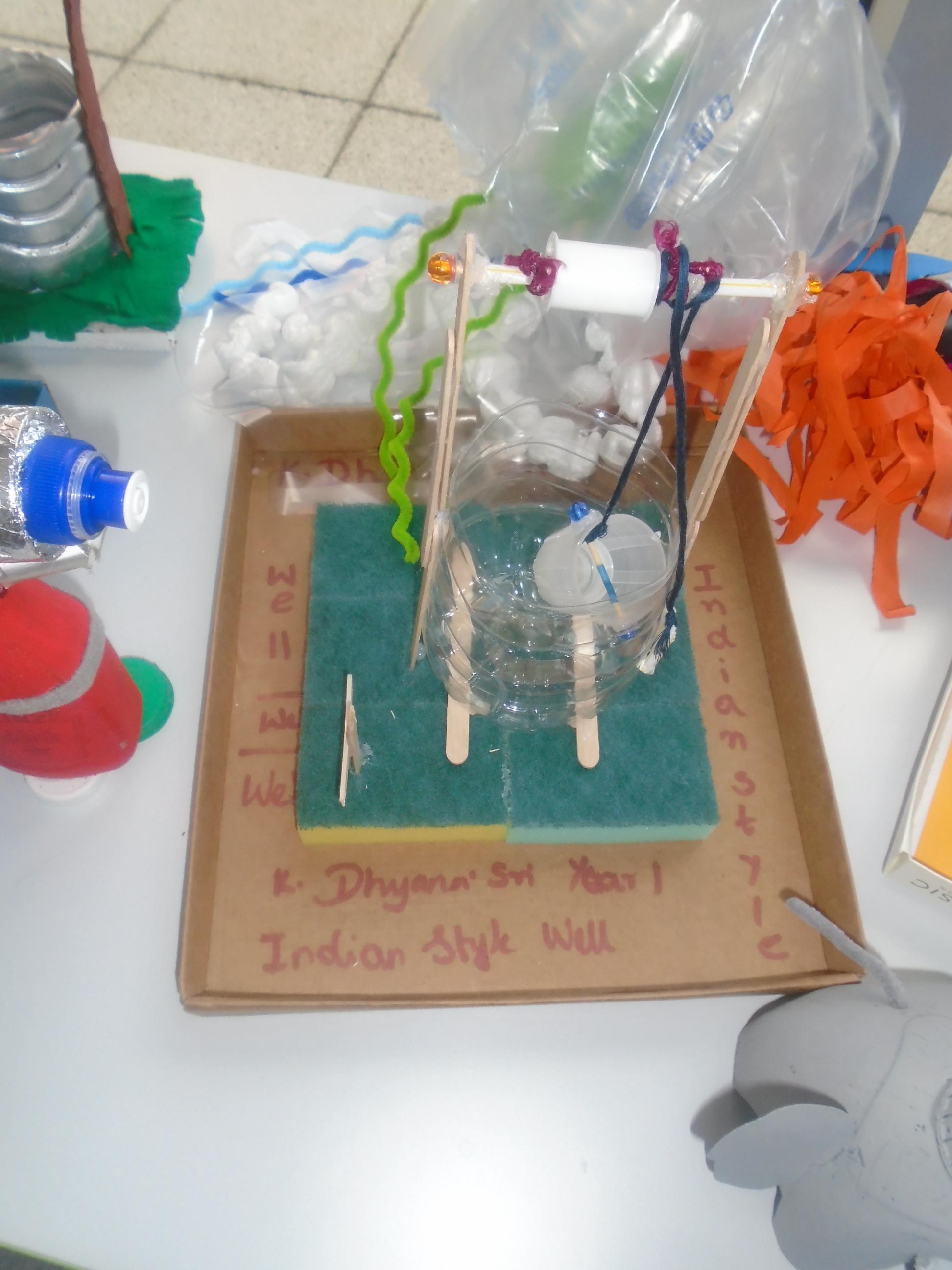
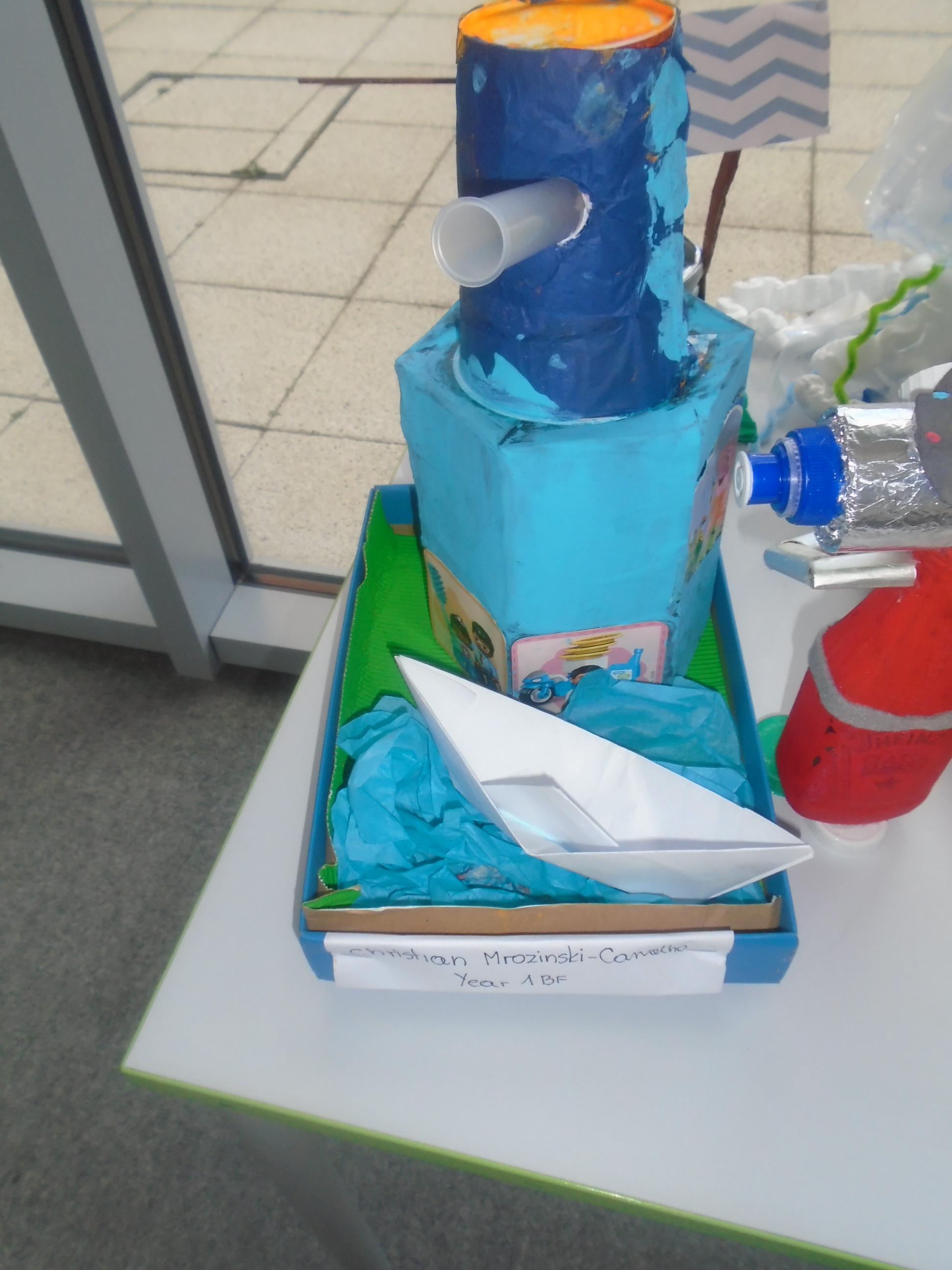
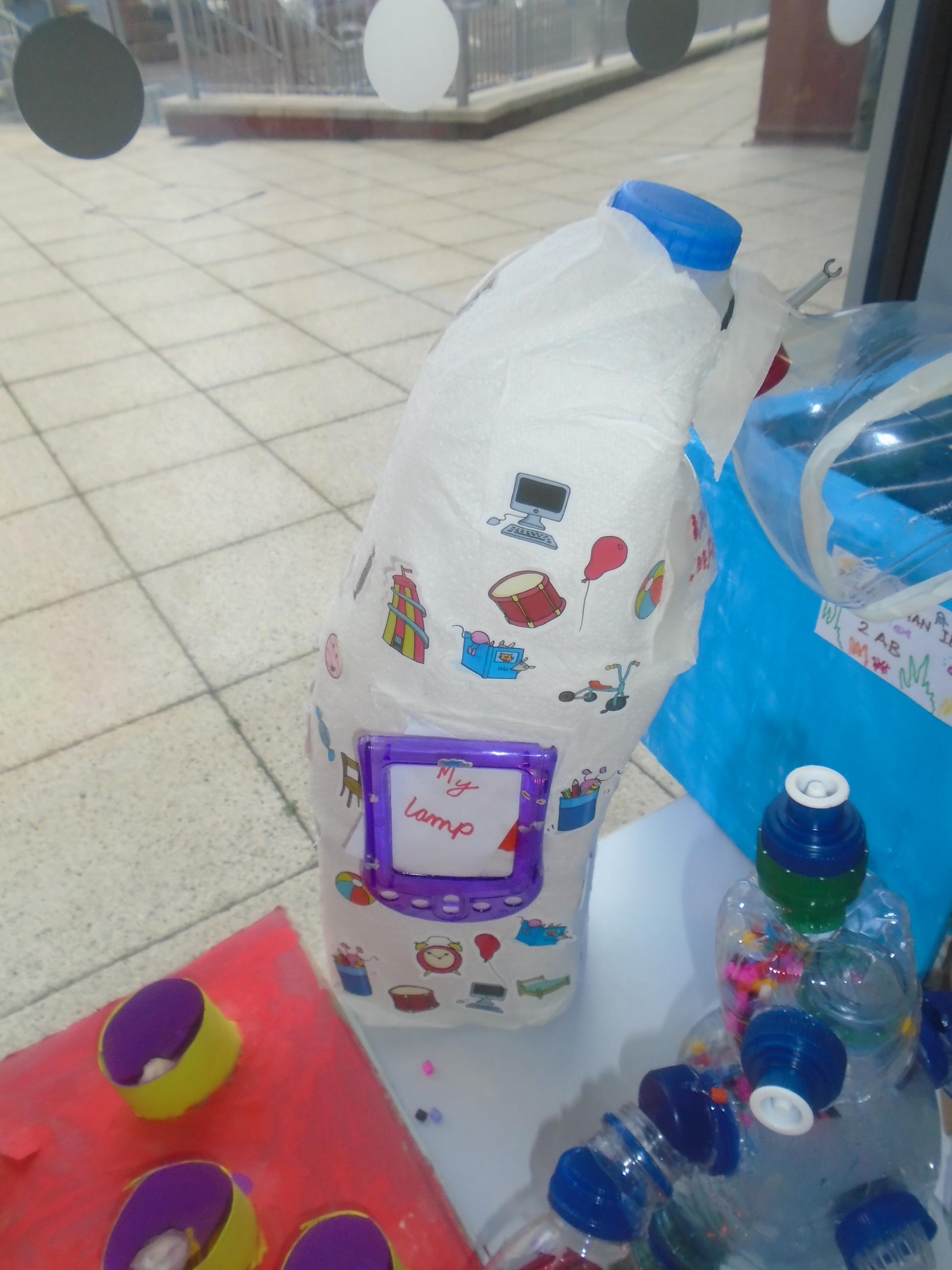
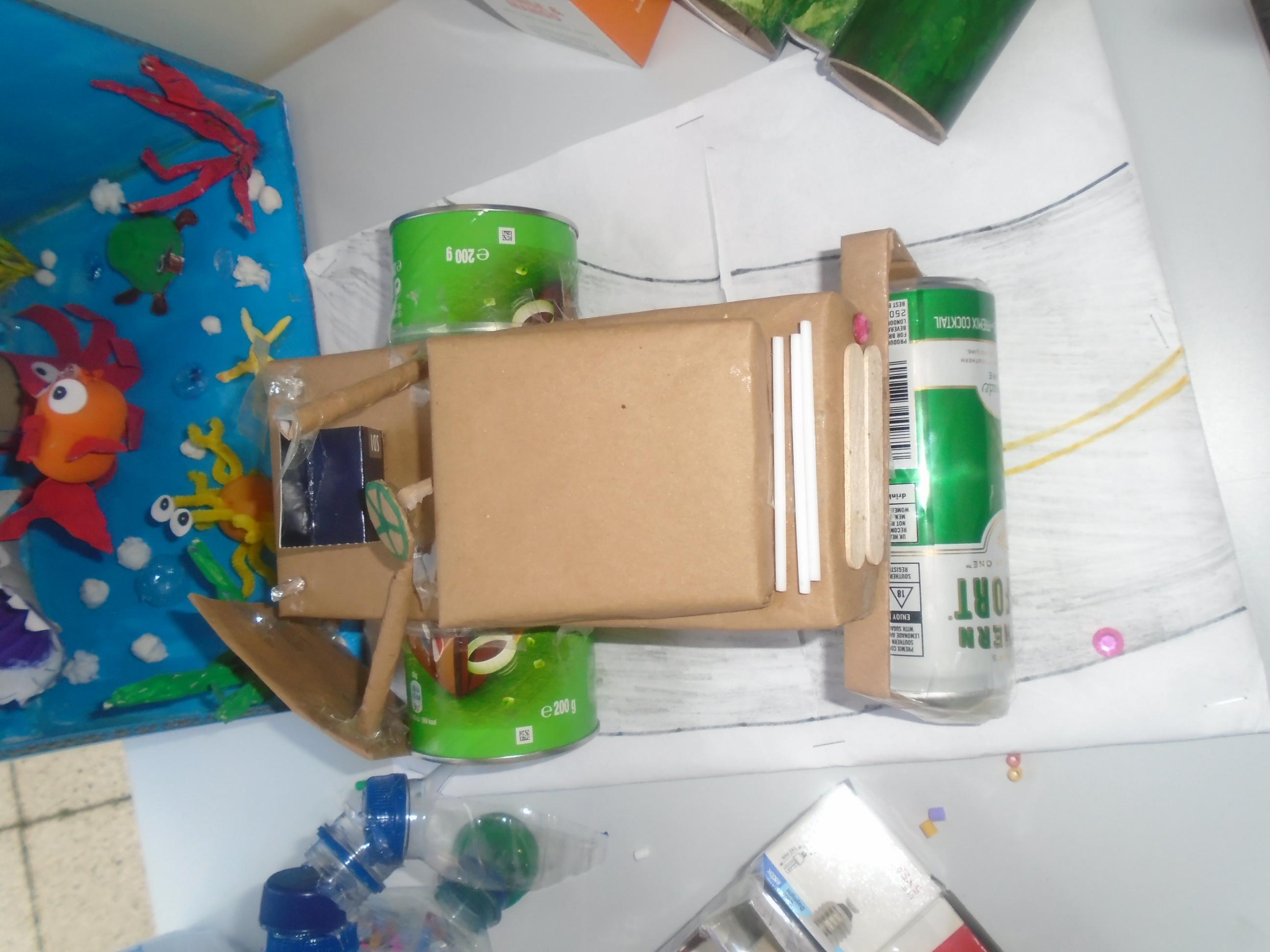
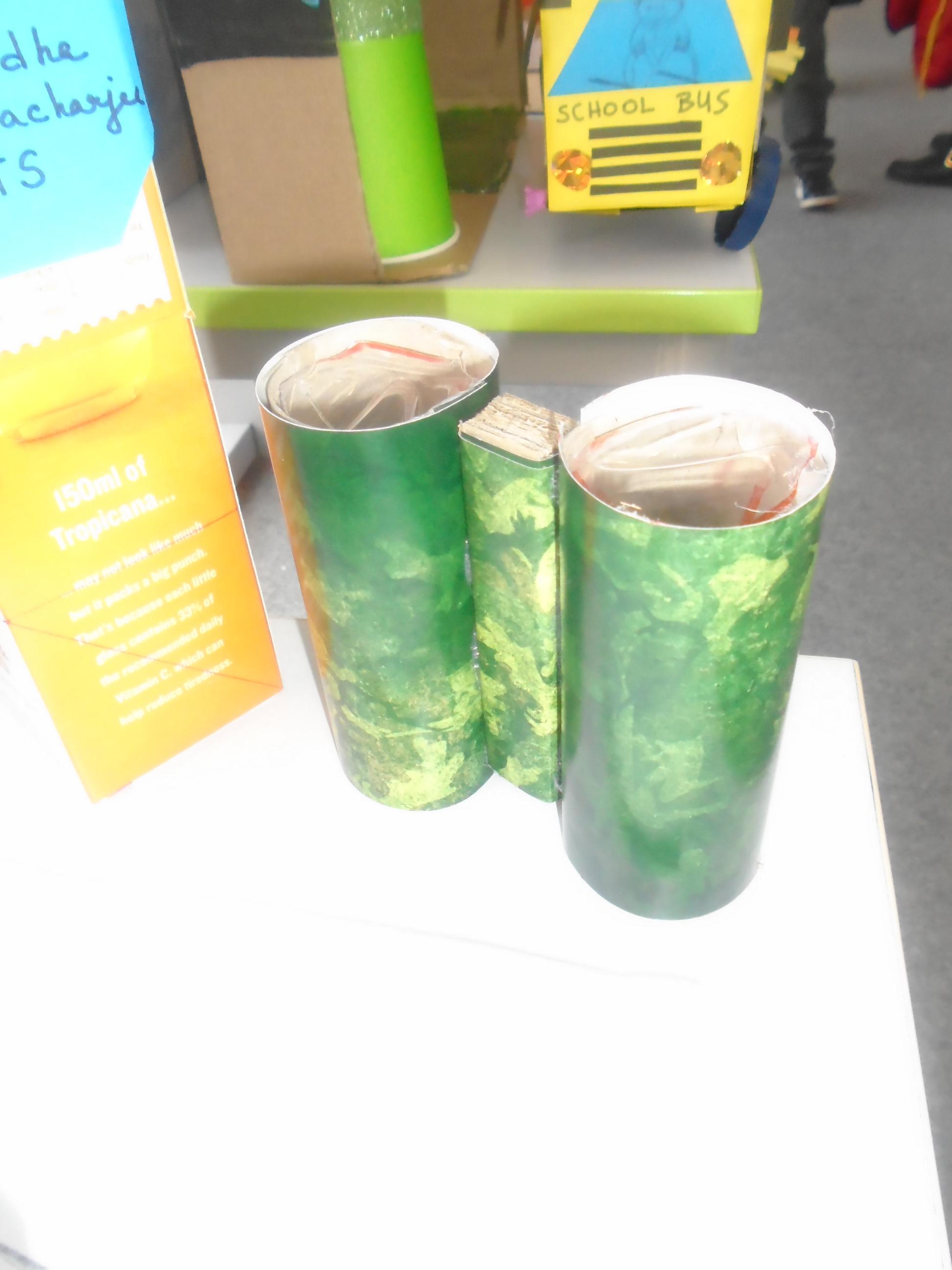
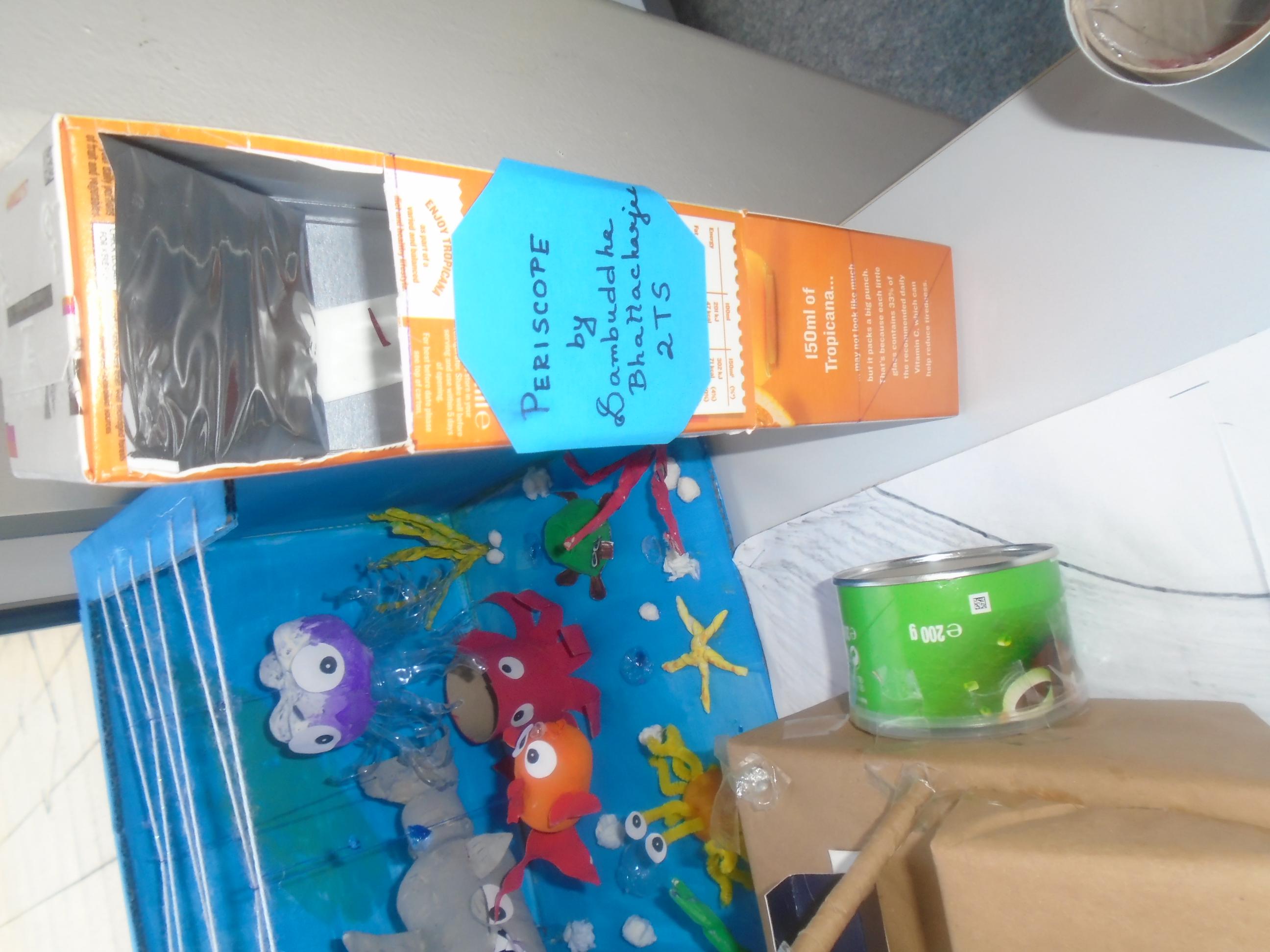
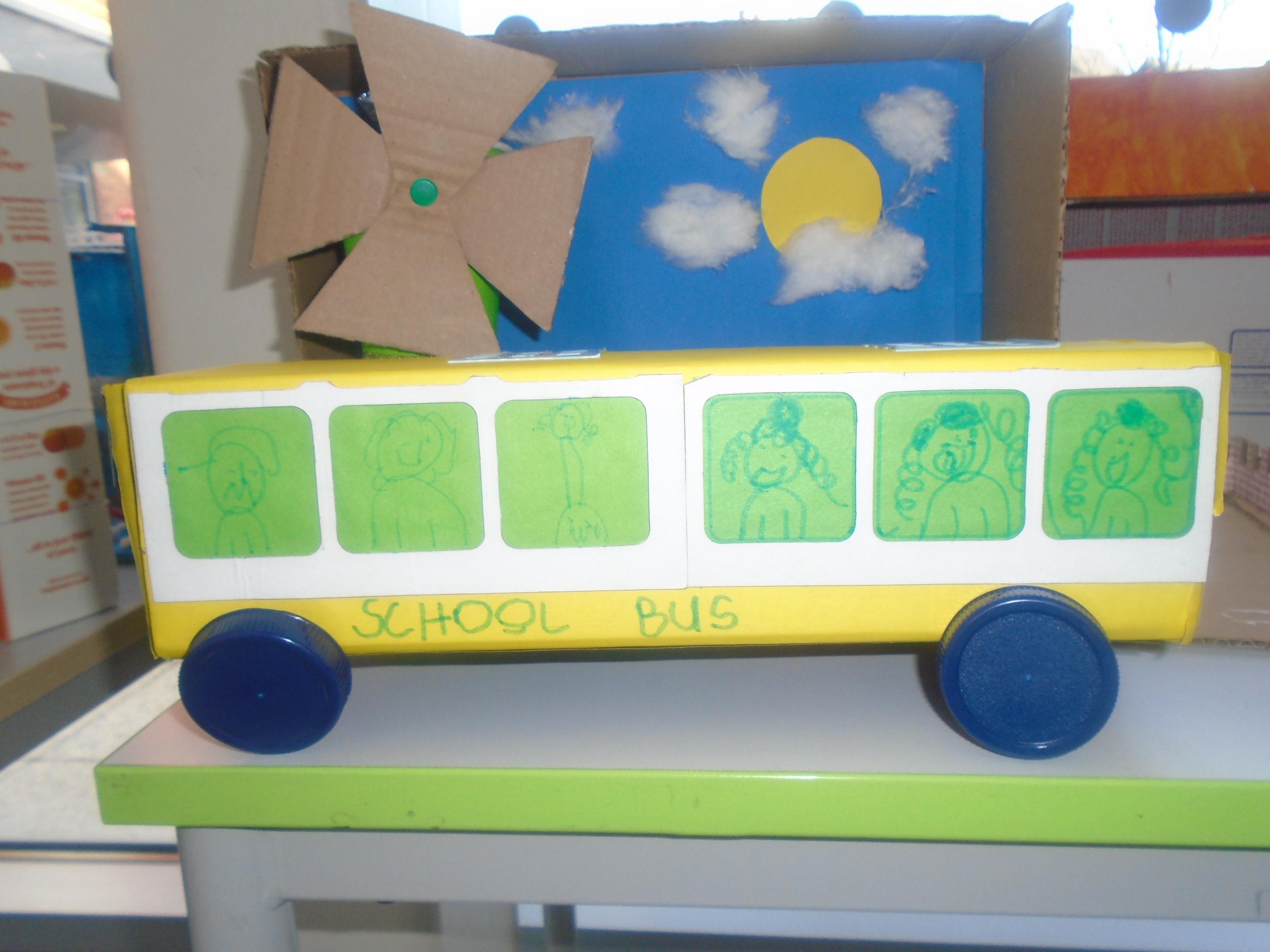
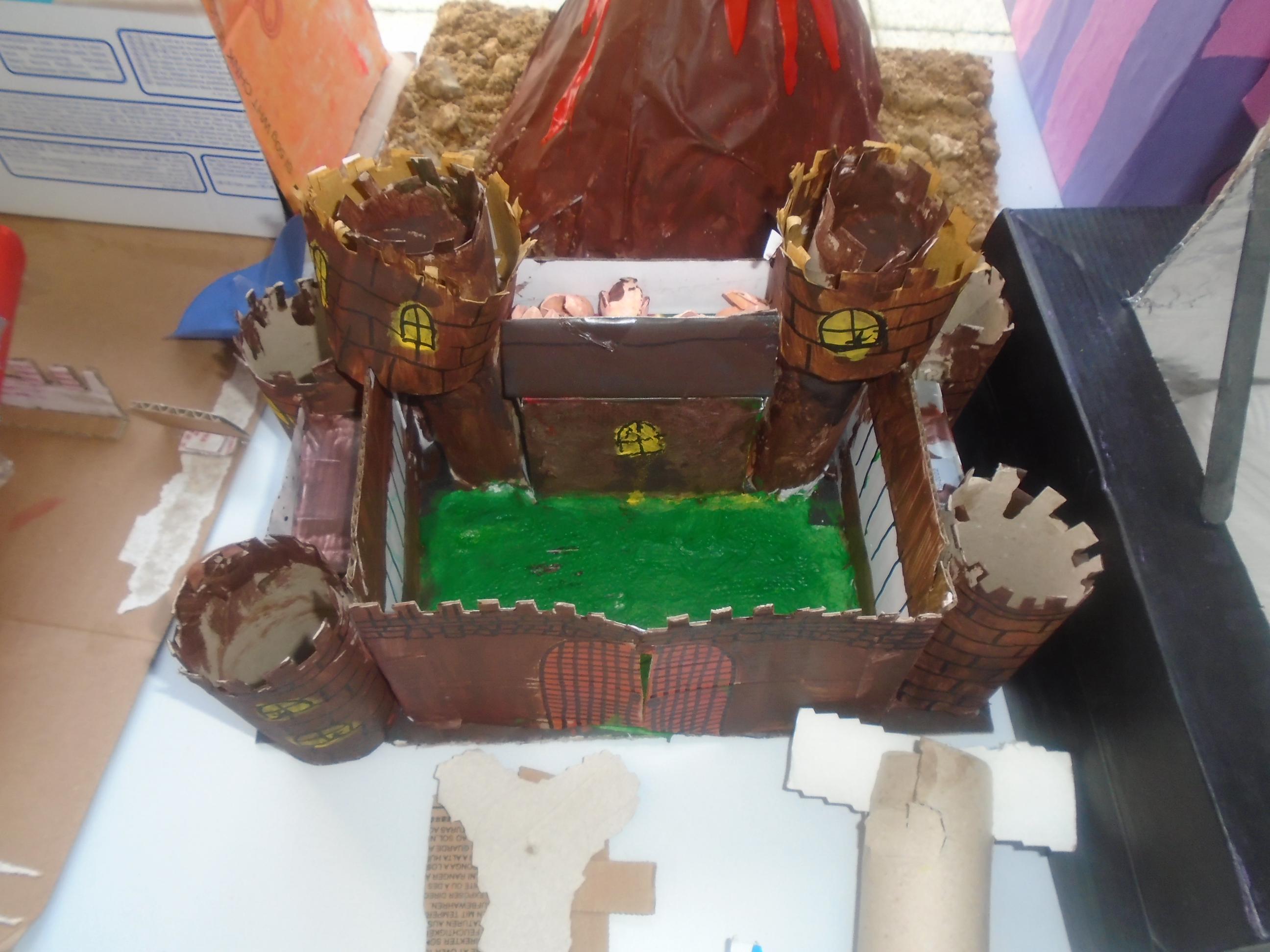
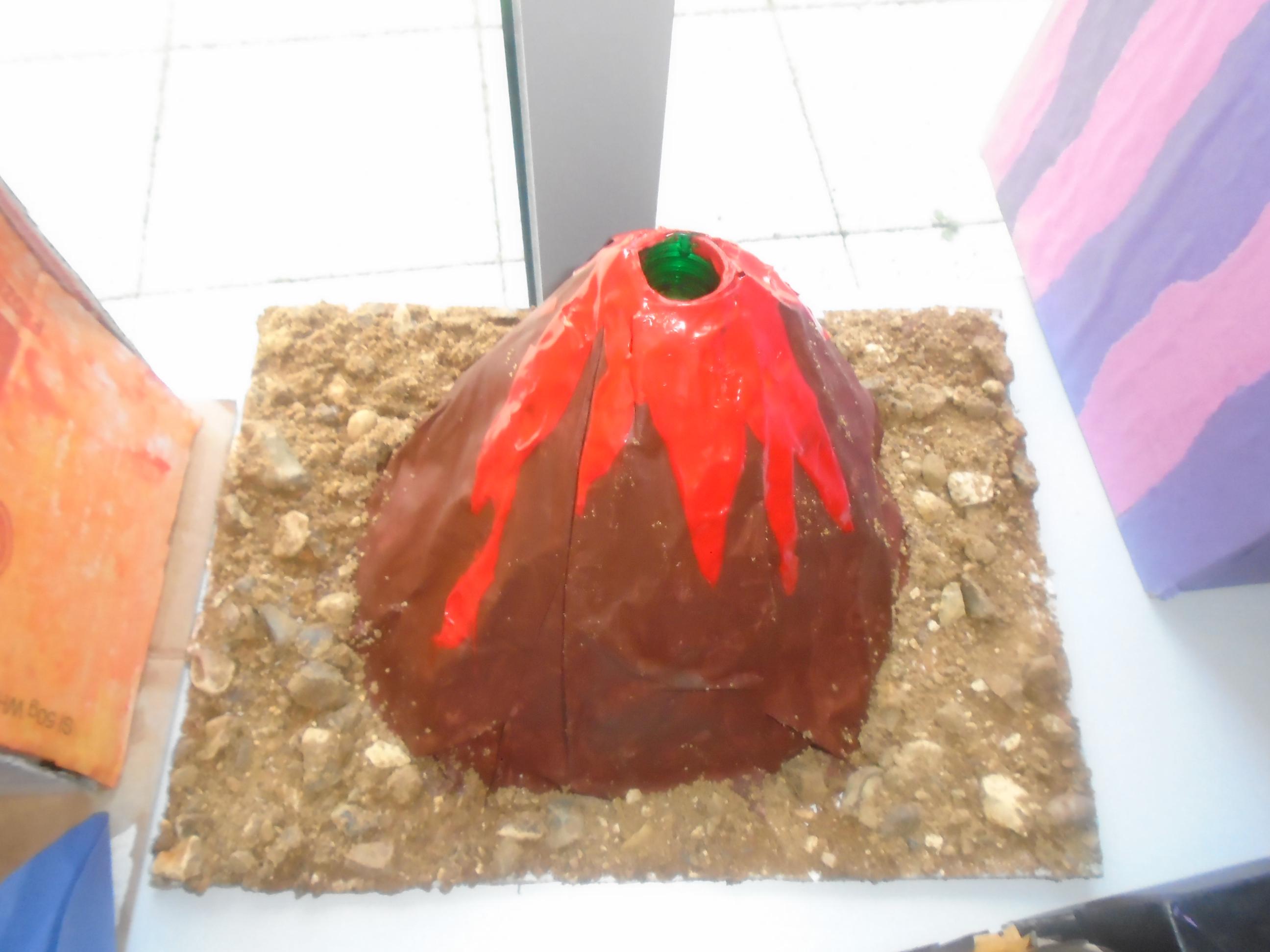
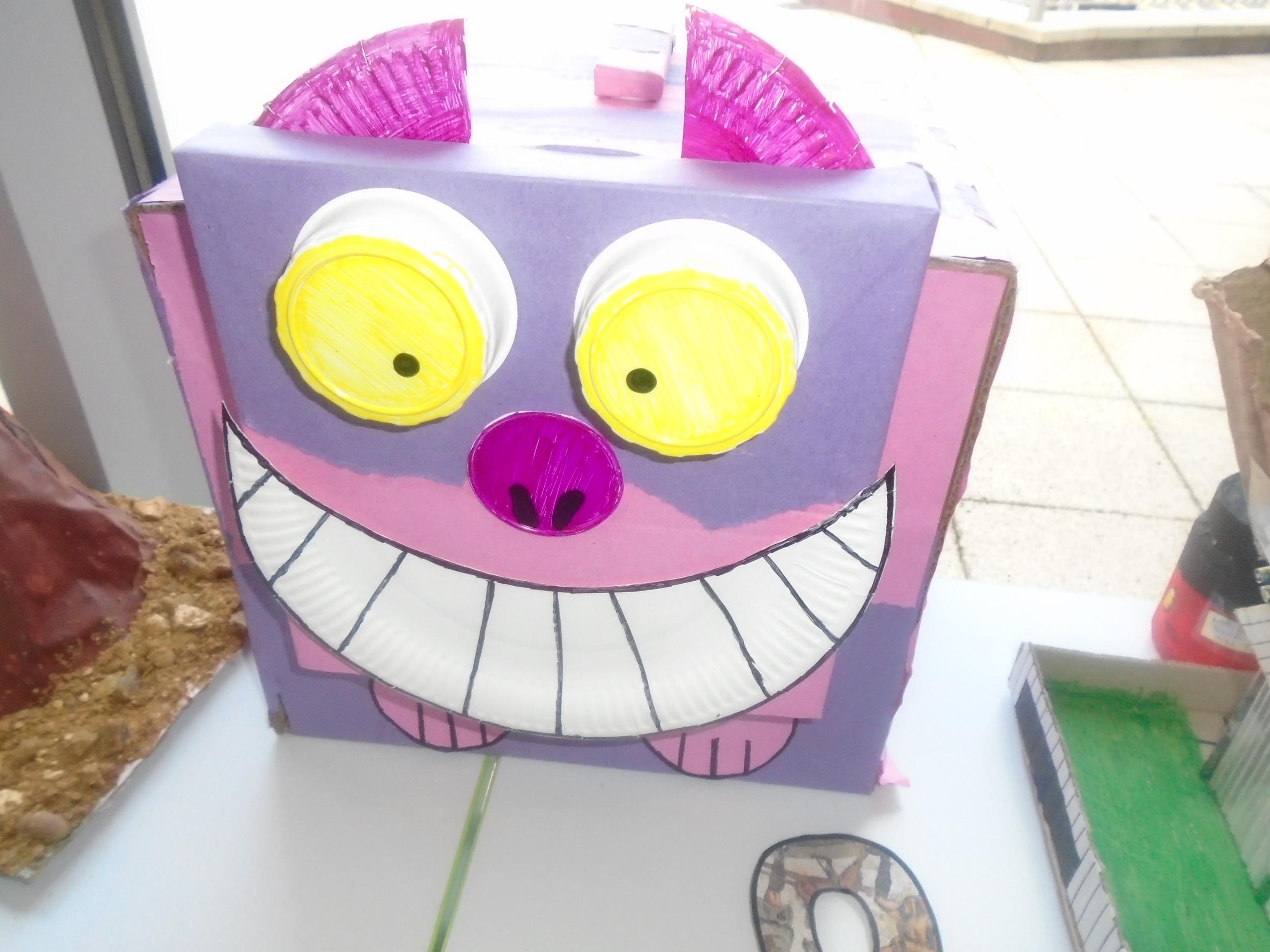
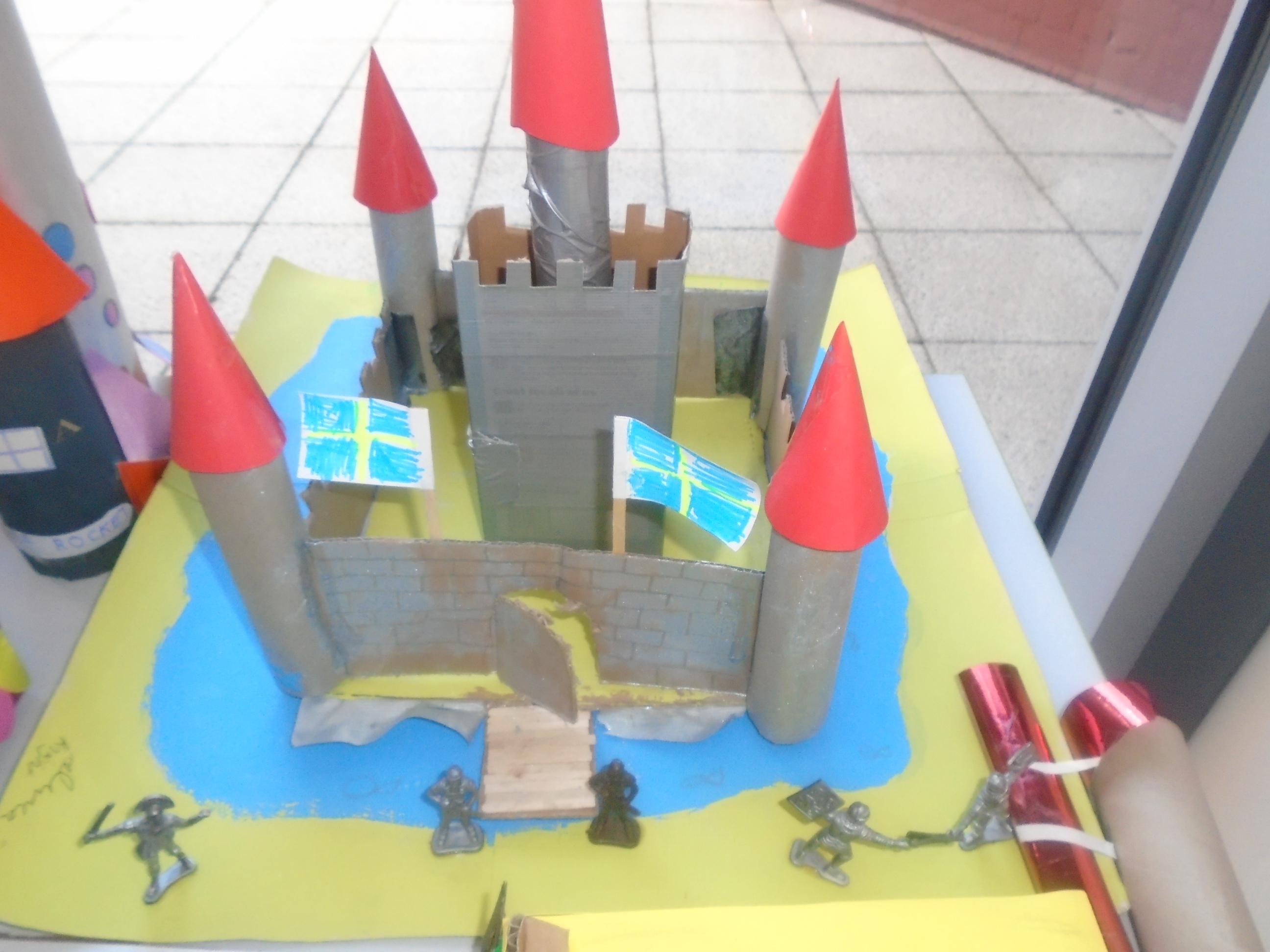
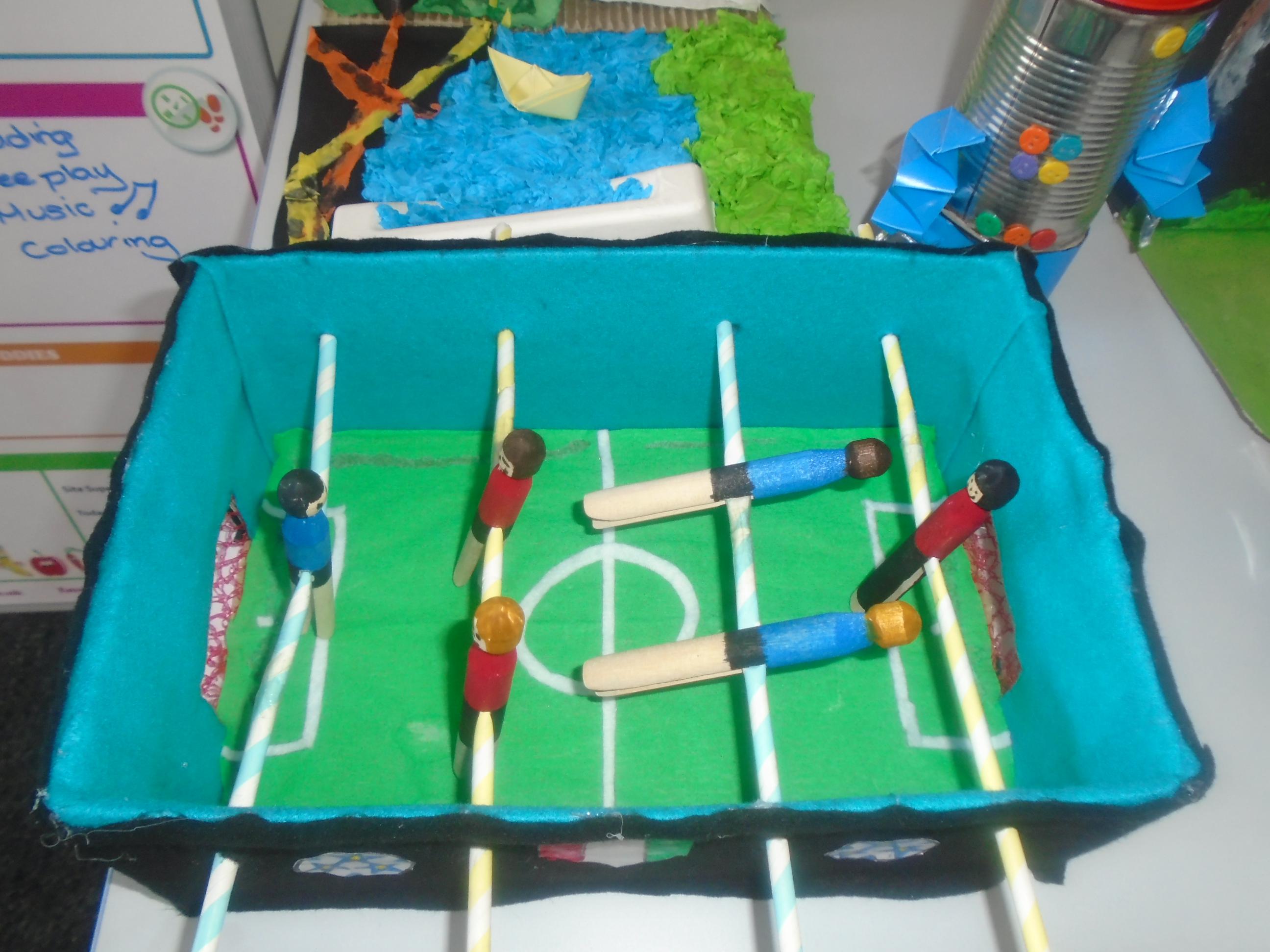
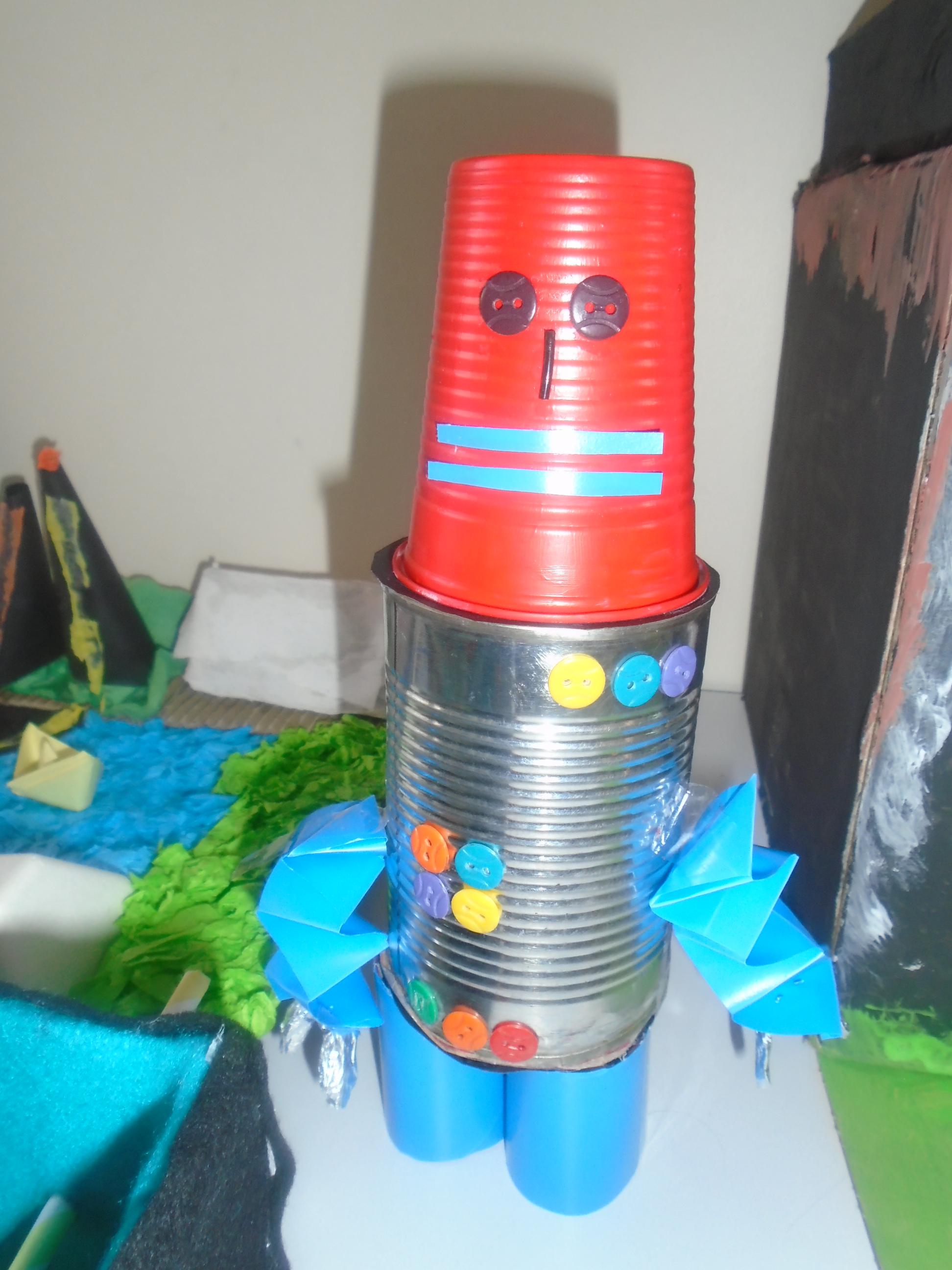
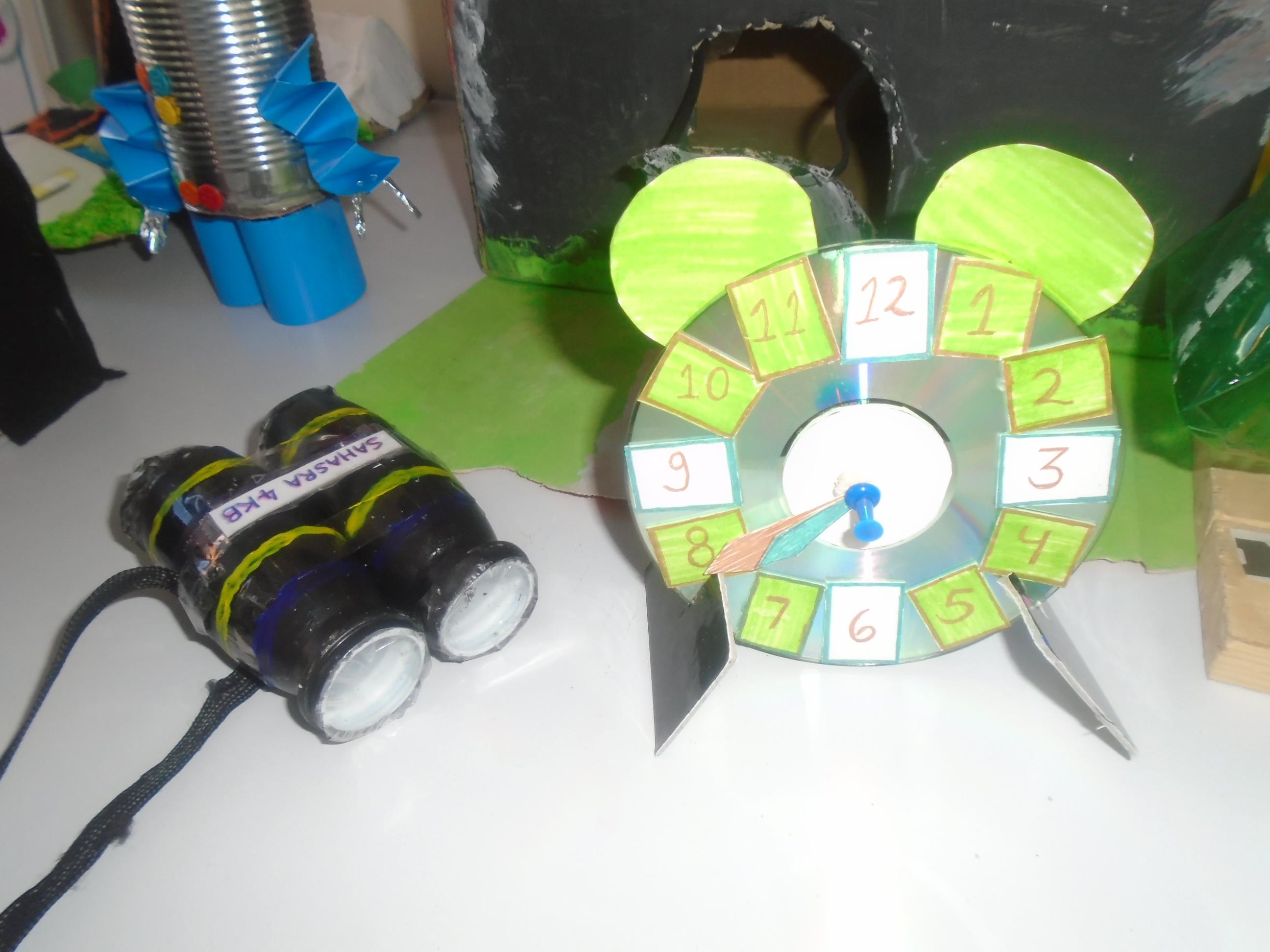
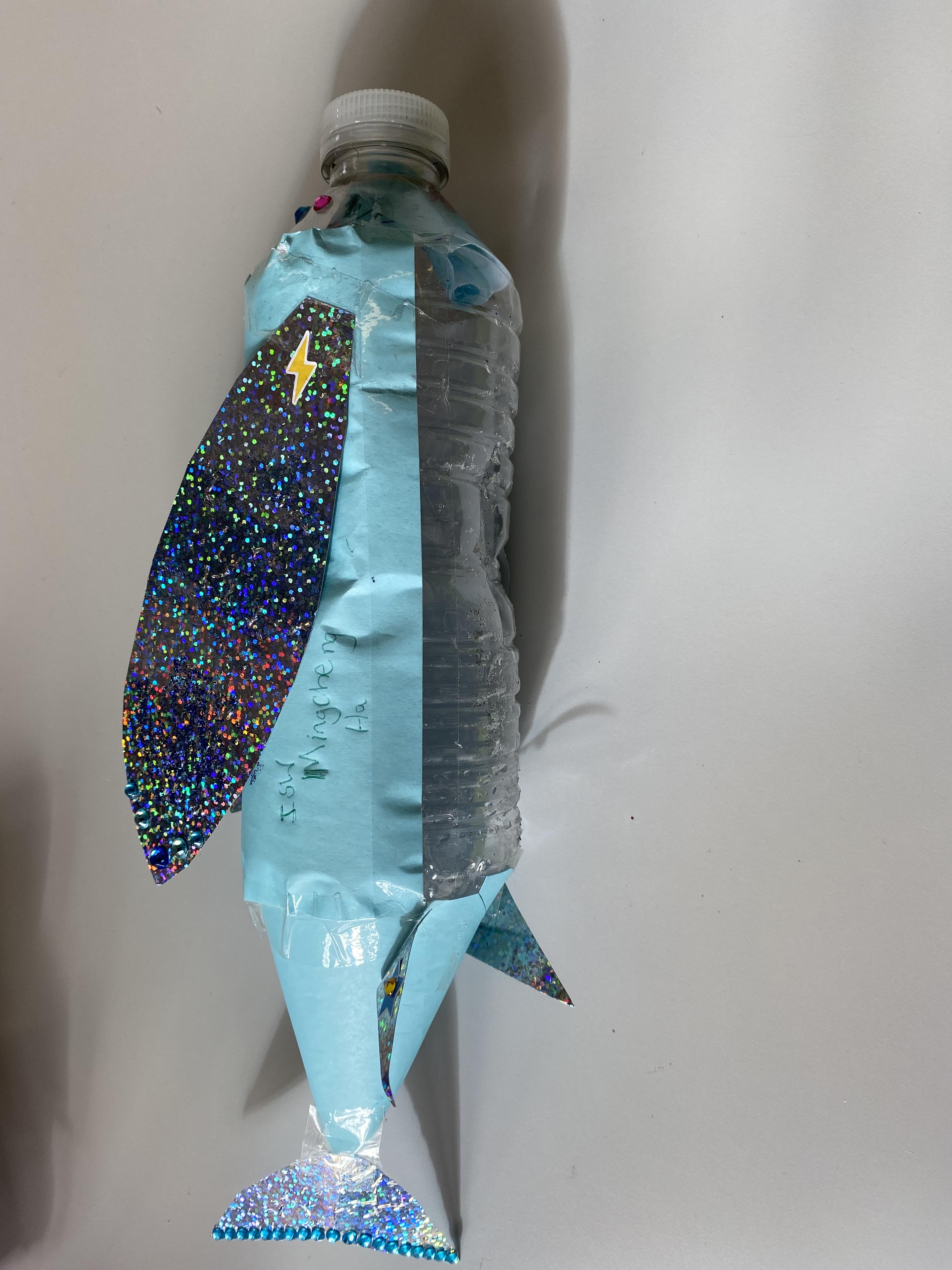
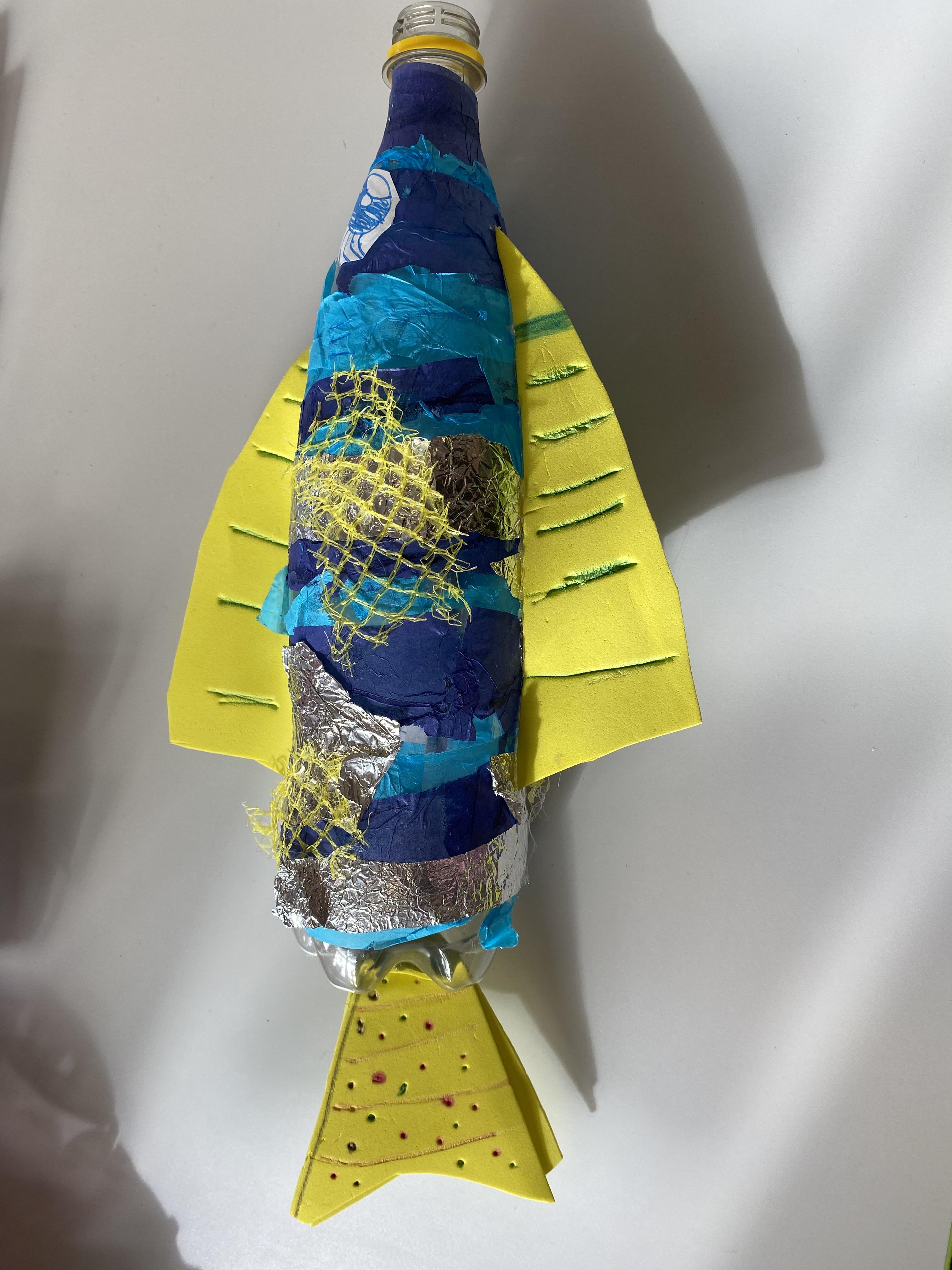
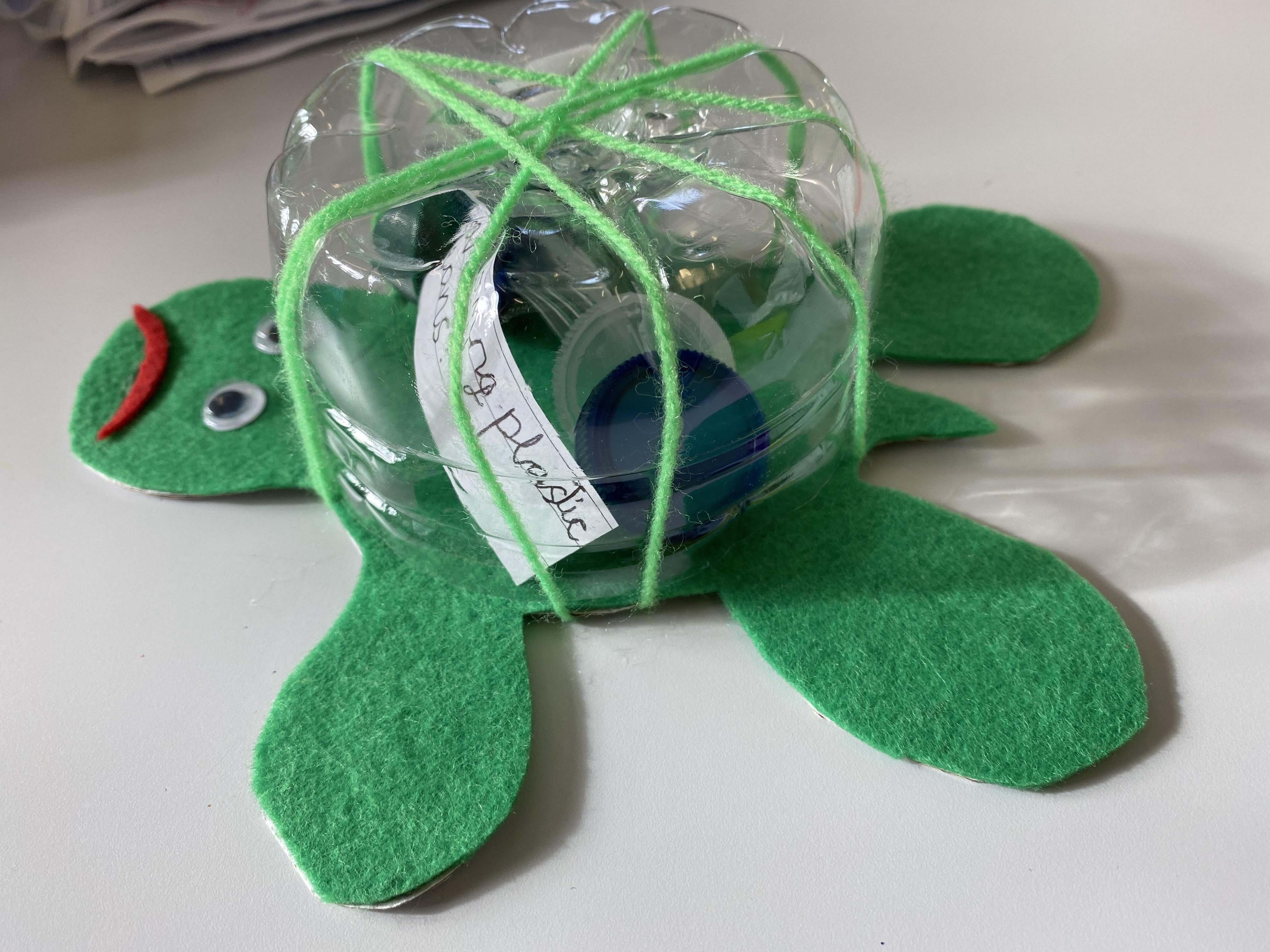
E P Collier Science Recycling Competition
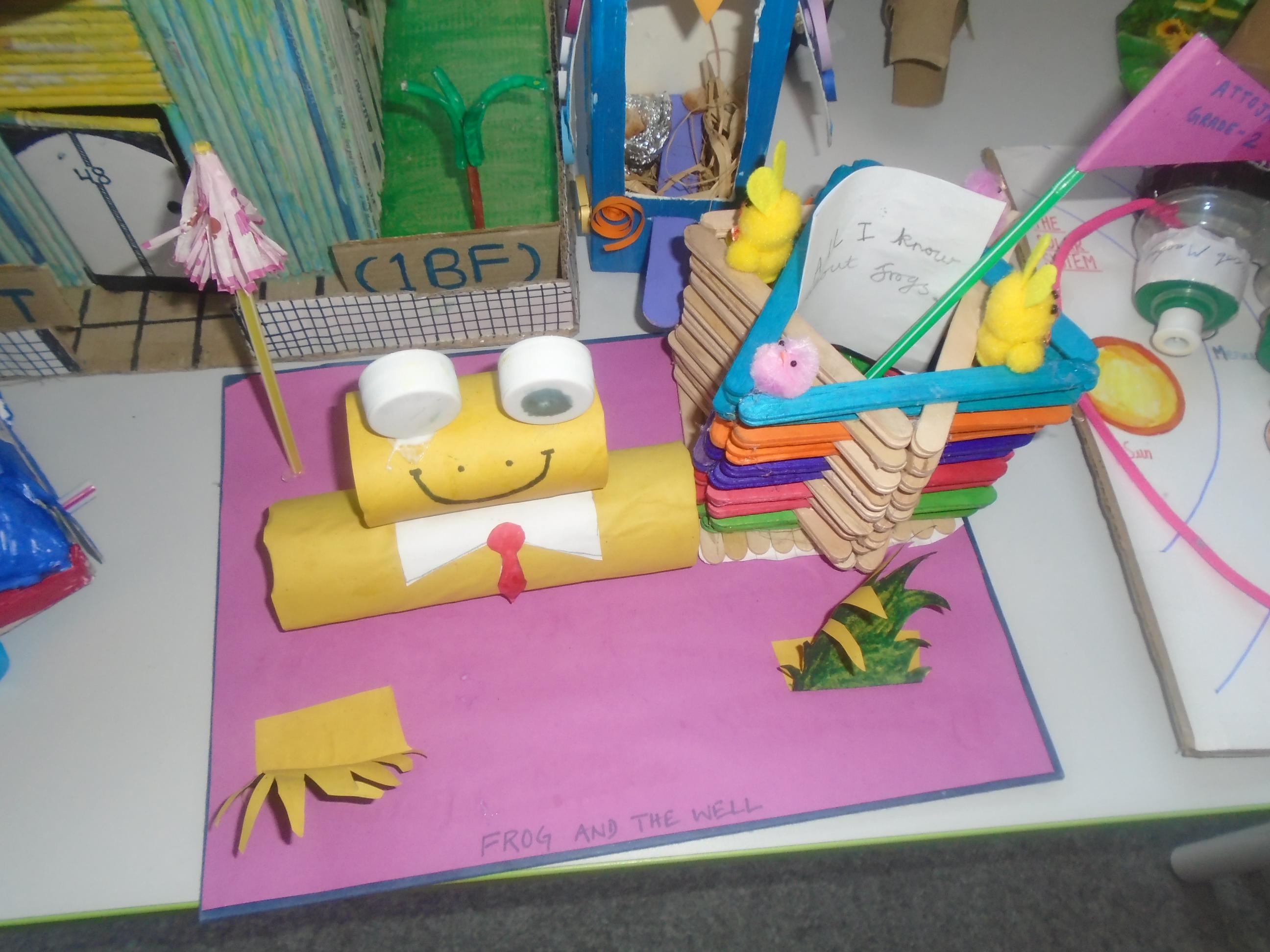
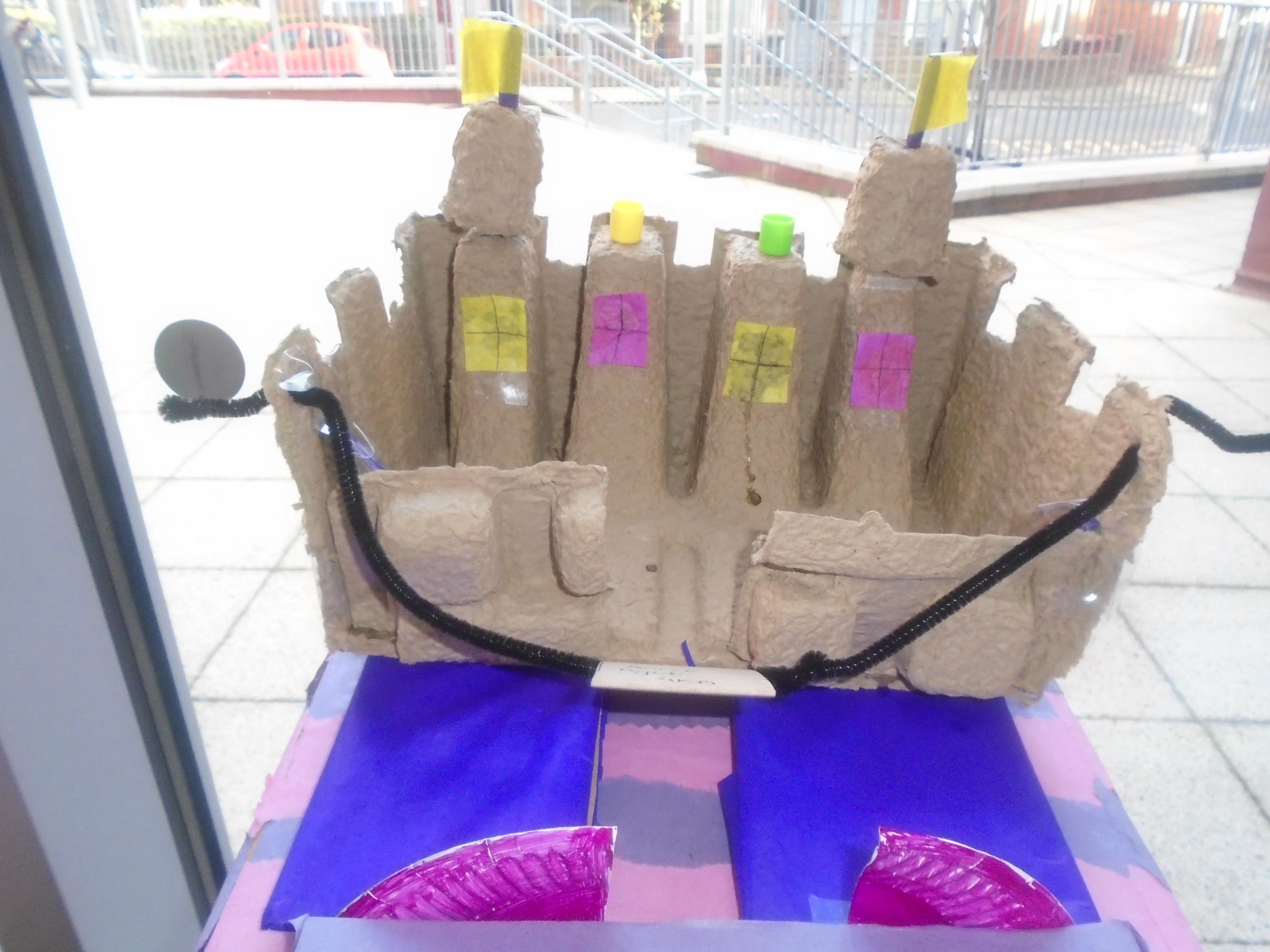
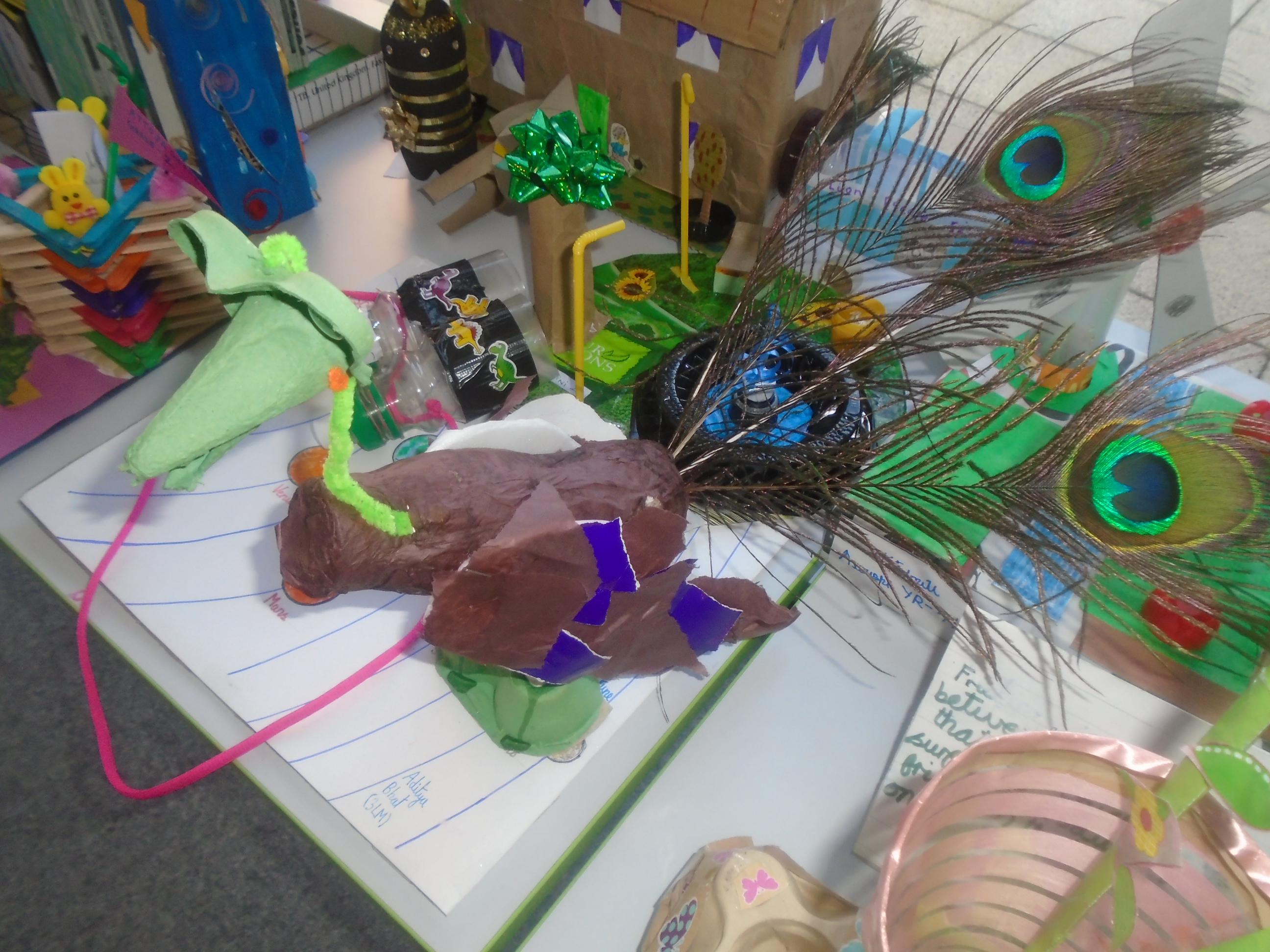
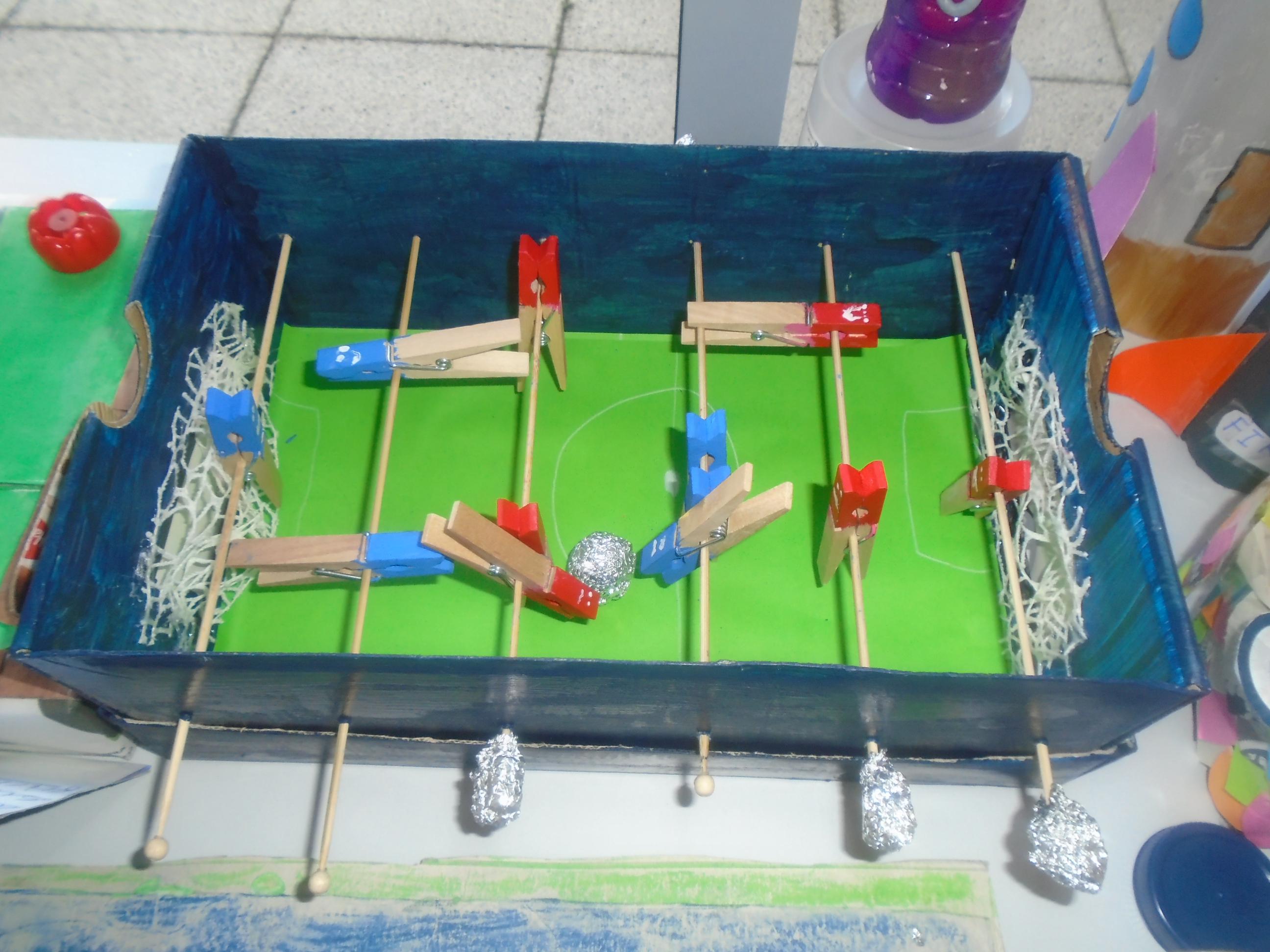
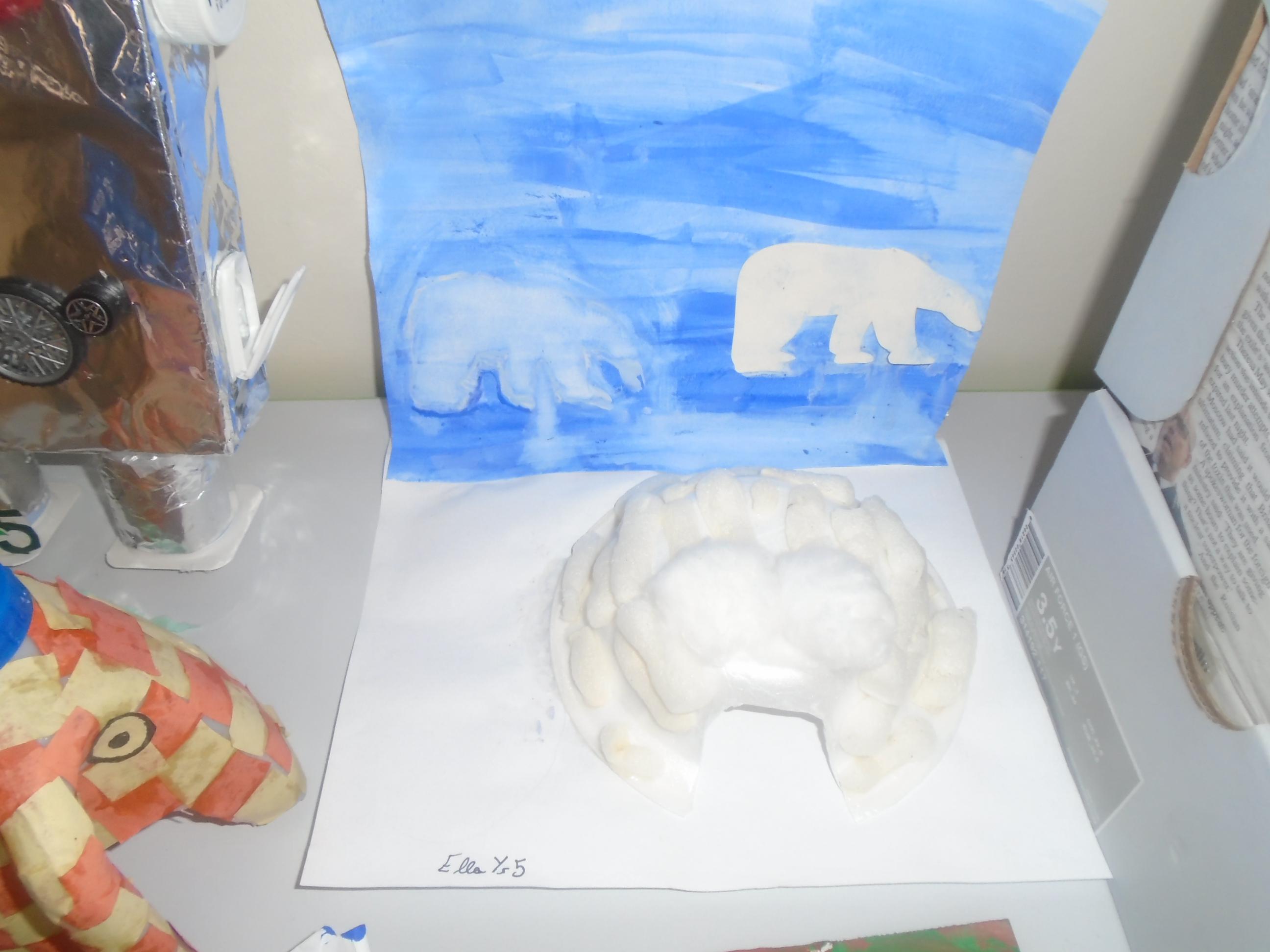
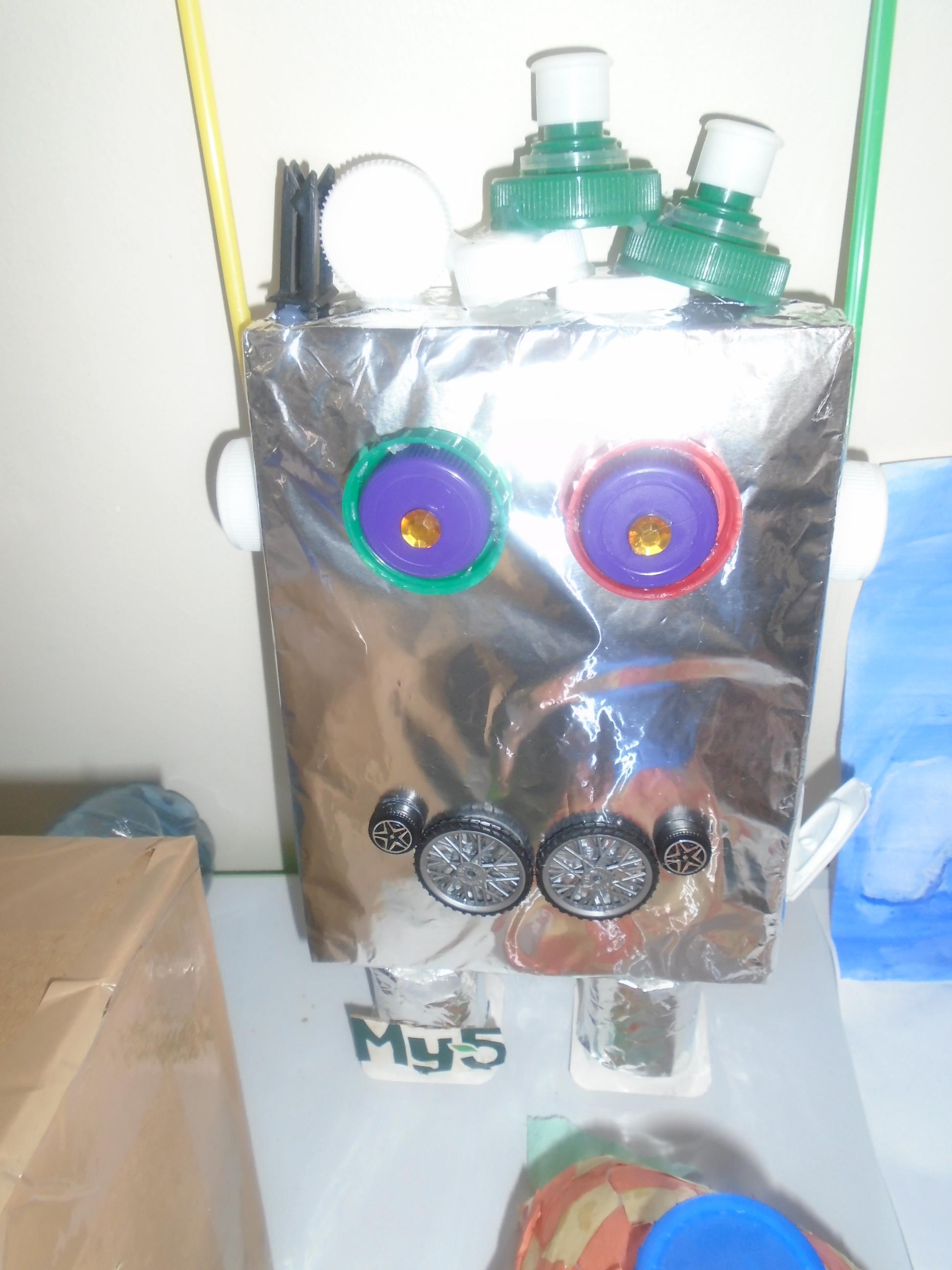
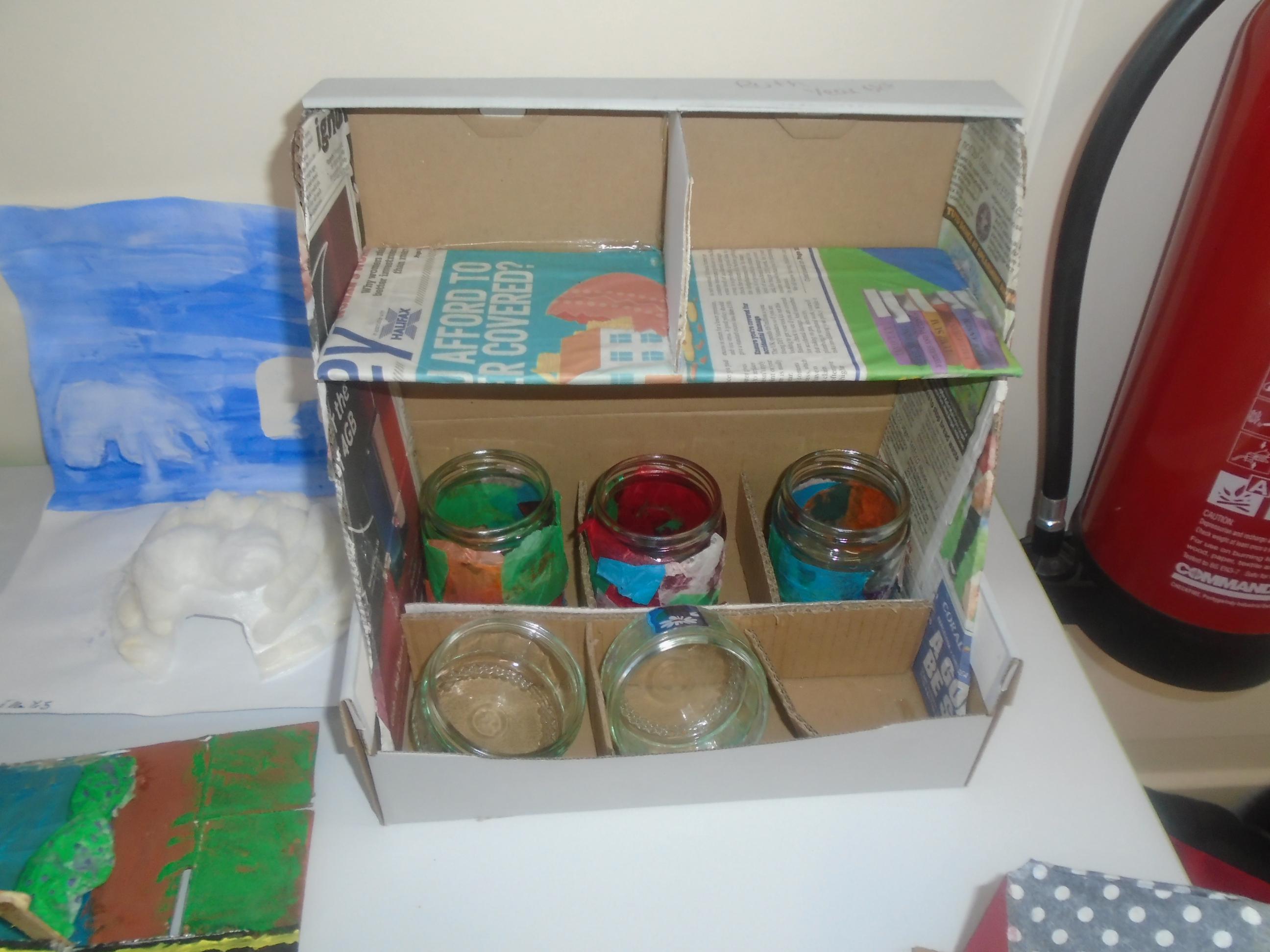
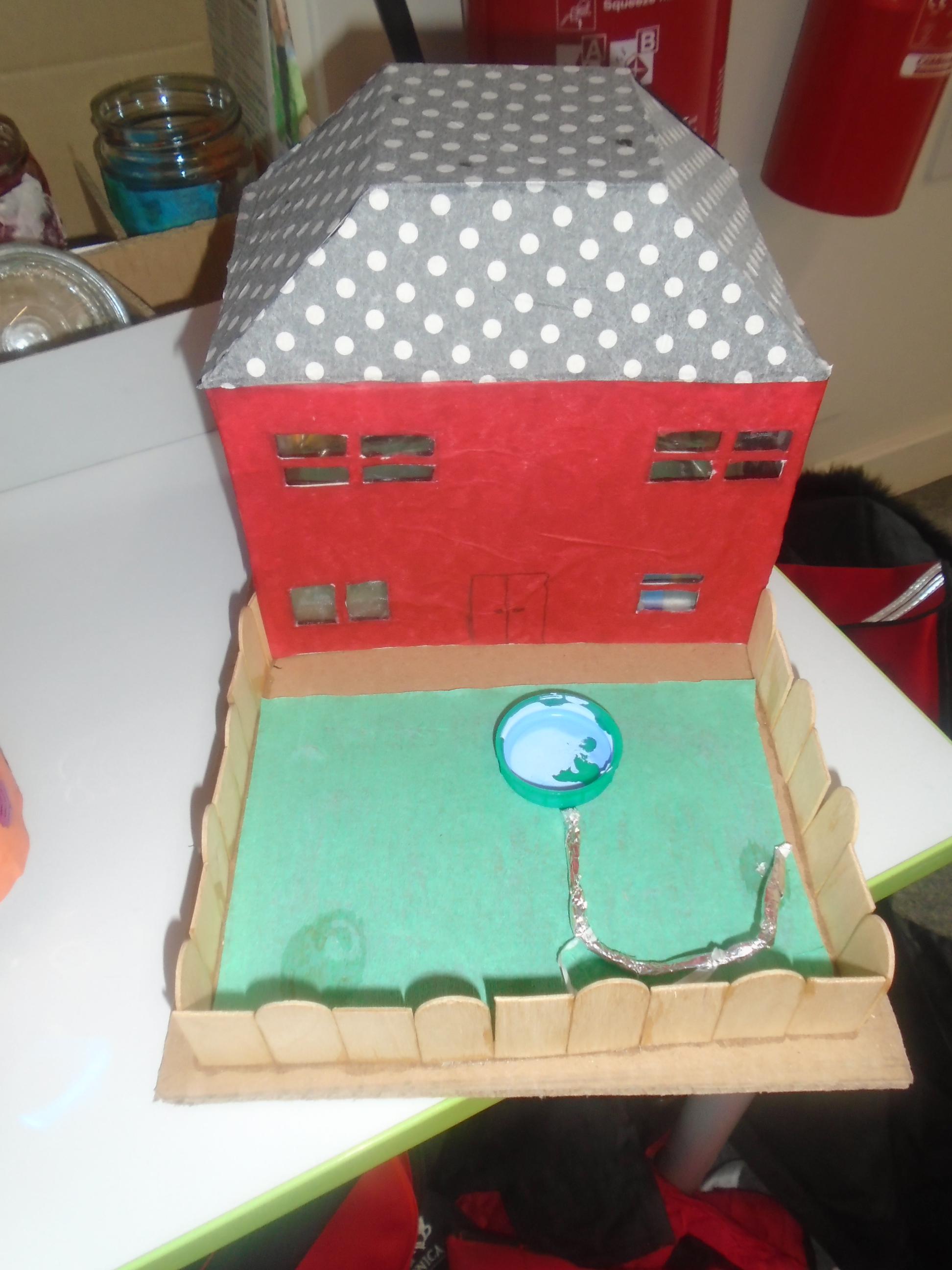
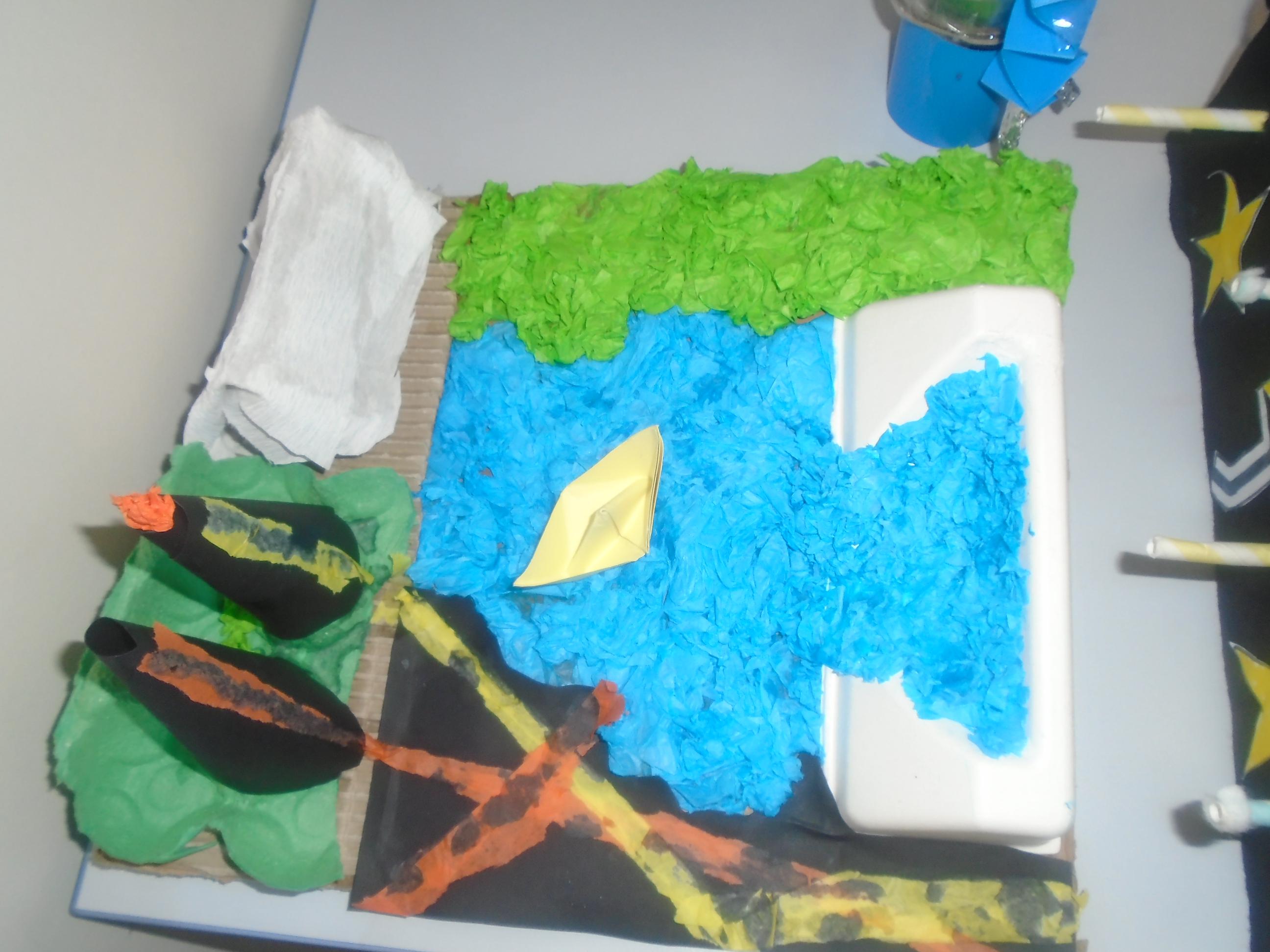
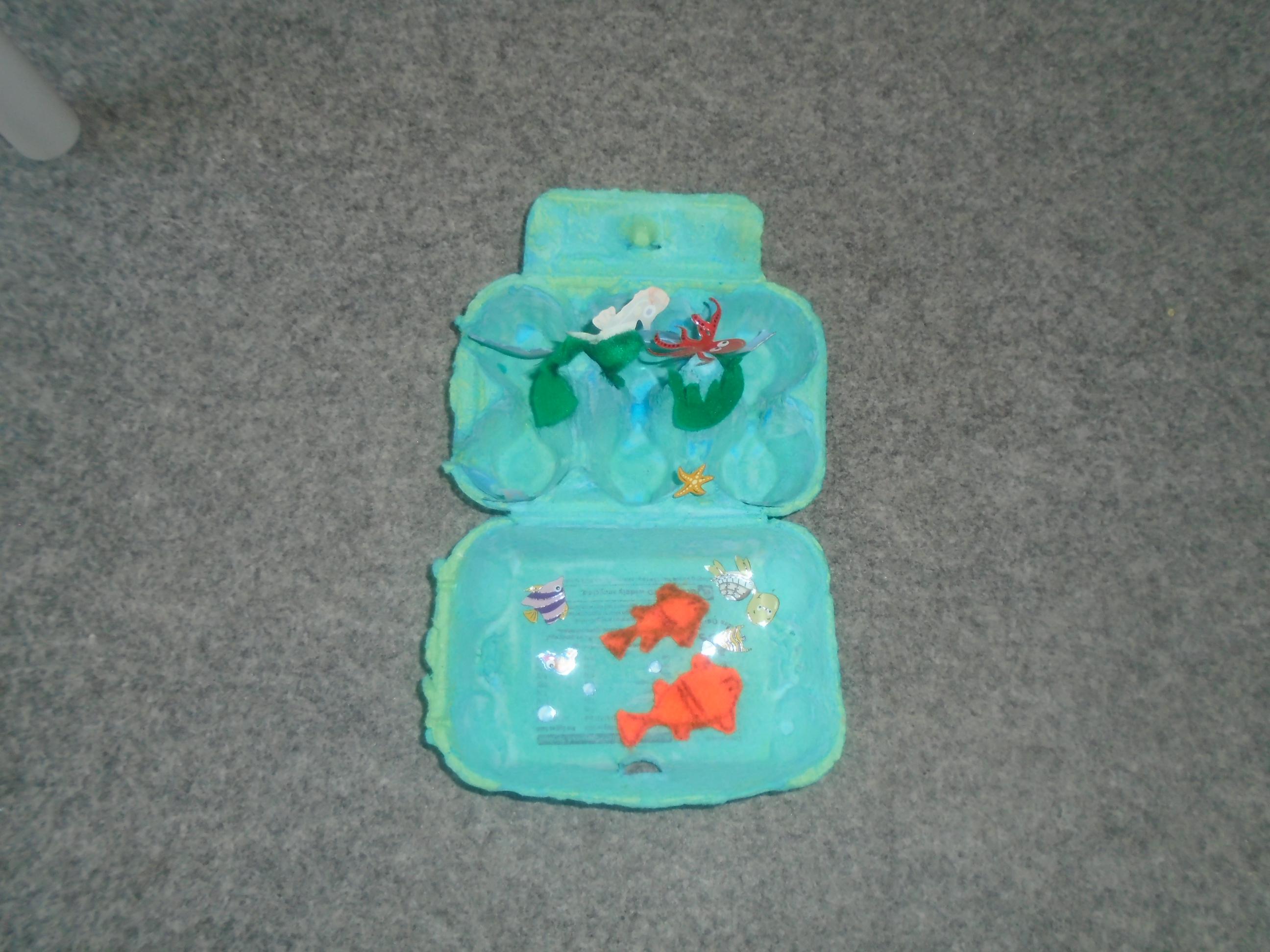
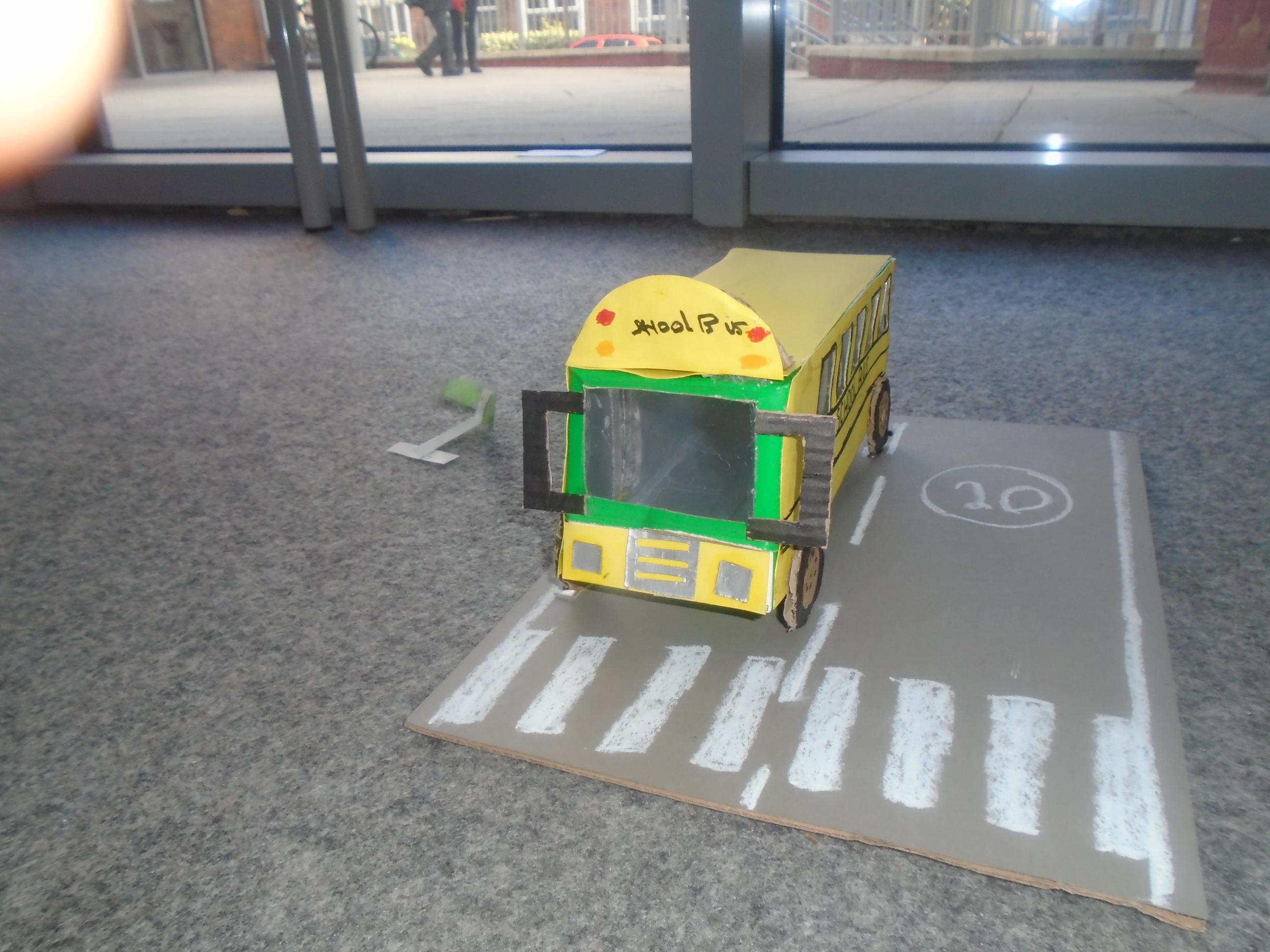
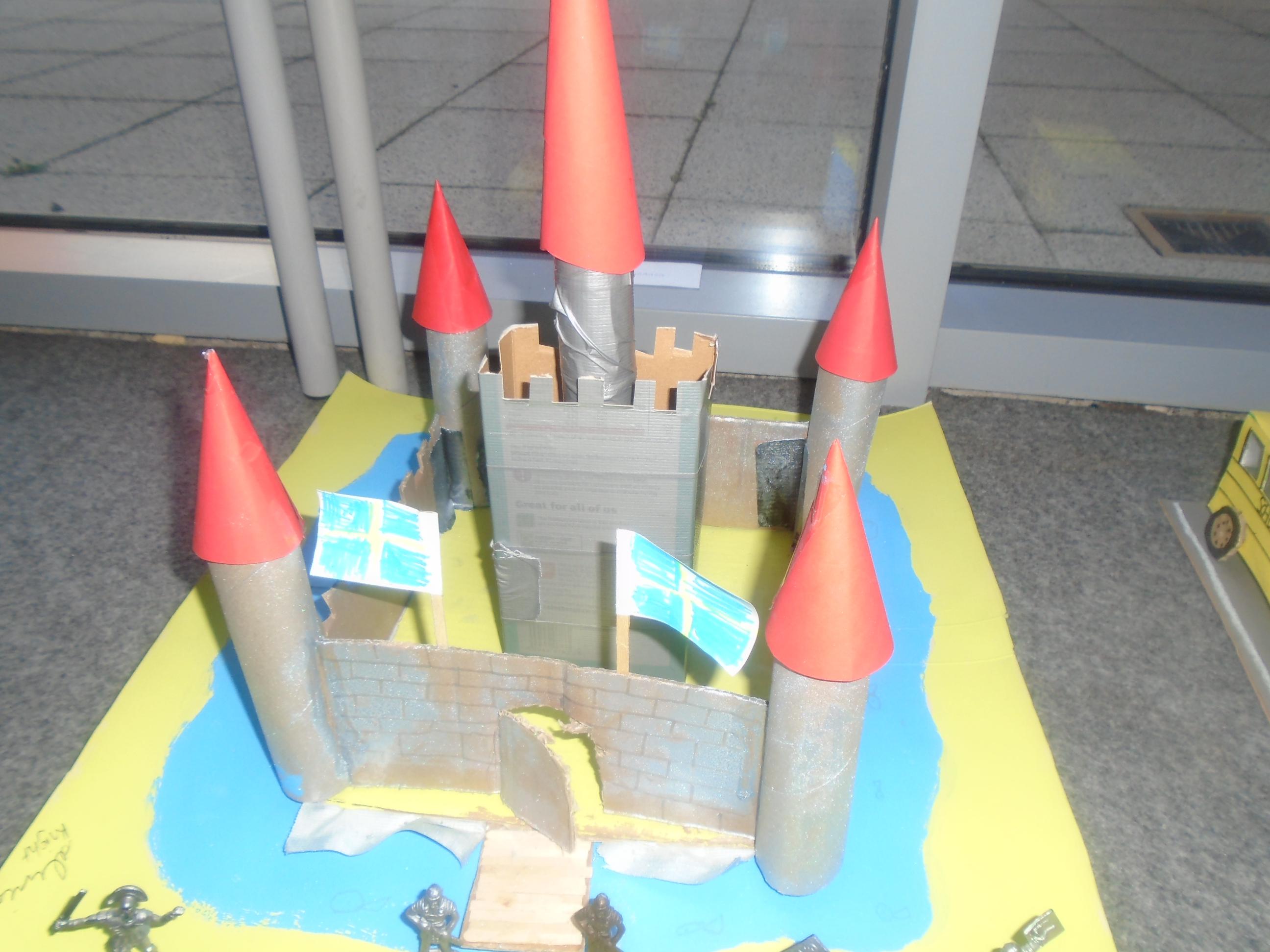
Thank you all for your amazing contributions. Here are some of the pictures of your entries: